

Introduction: That Slow Drain Is a Bigger Warning Than You Think
A slow-draining sink or a faint, unpleasant smell from the bathroom isn’t just an annoyance; it’s the first symptom of a much larger problem brewing in your home’s plumbing. For homes with water tanks, your plumbing system is an interconnected loop. A problem in one area, like a neglected drain, can directly compromise the quality and safety of the water your family relies on.
Regular drain cleaning is often viewed as a simple fix for a slow sink, but its importance extends far beyond these immediate issues. It is a critical form of preventive maintenance that directly impacts the health and longevity of your entire plumbing system, creating a powerful and often overlooked link between the cleanliness of your drains and the functionality of your water tank.
In this guide, we’ll uncover the hidden dangers of infrequent drain cleaning, explain the critical connection between your drains and your water tank, and show why professional maintenance is a vital investment in your property’s health and your family’s safety.
The Immediate Benefits of Regular Drain Cleaning & Maintenance
Before we dive into the critical link to your water tank, it’s important to understand the immediate benefits of clean, well-maintained drains. Proactive drain maintenance is a foundational element of home care that prevents a cascade of more serious issues, saving you money and preserving your peace of mind.
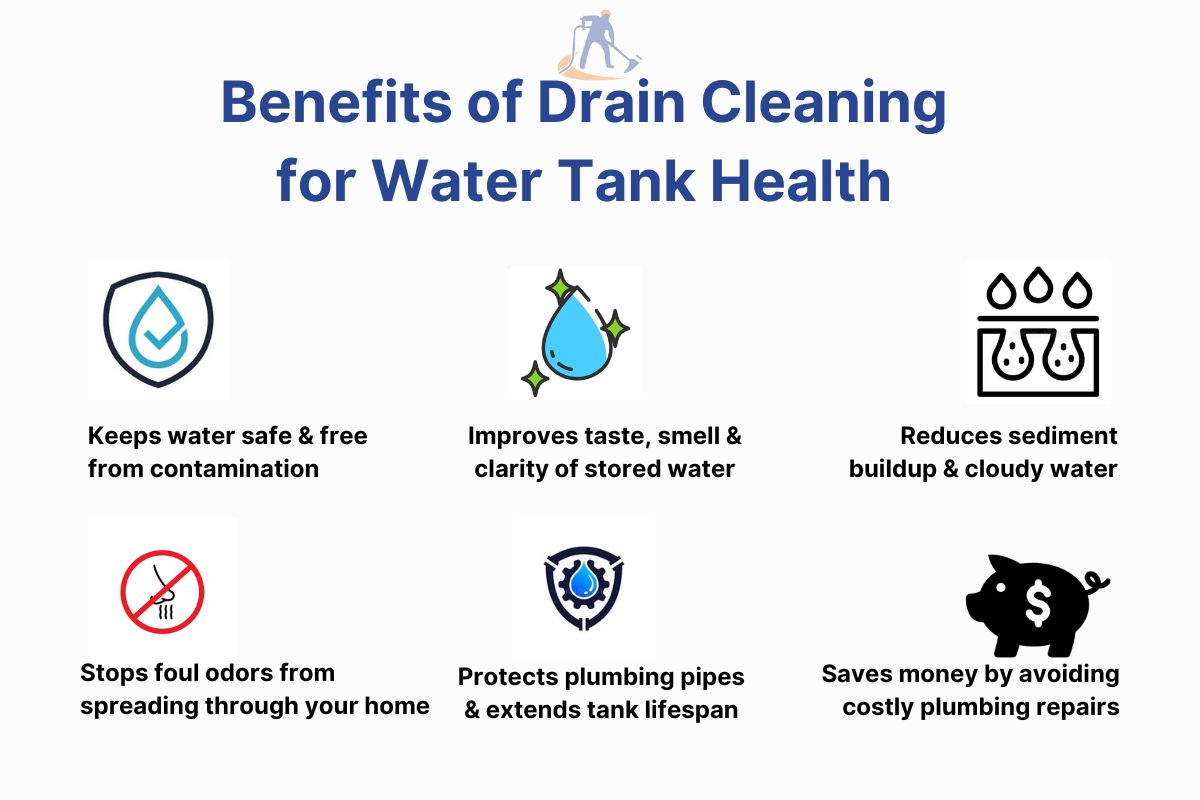
1. Prevent Costly Plumbing Repairs and Messy Blockages
The most immediate benefit of regular drain cleaning is preventing costly repairs and messy blockages that can disrupt daily life and cause significant water damage to your home.
Over time, drains accumulate a stubborn buildup of grease, food waste, hair, and soap scum. This buildup restricts water flow, increases pressure, and eventually leads to a complete blockage.
When a full blockage occurs, you risk:
- Messy drain backups
- Overflowing toilets
- Extensive water damage to floors and walls
- Pipe bursts due to pressure buildup
The cost of an emergency plumbing service to repair a burst pipe or mitigate water damage far exceeds the small investment in routine drain maintenance.
Professional drain cleaning for a water tank system removes this accumulation, restoring proper flow and preventing inconvenient, messy, and expensive emergencies.
2. Eliminate Foul Odors and Unwanted Pests
One of the most unpleasant side effects of clogged drains is the foul odors they produce. A persistent “rotten egg” or sewage smell is caused by decomposing organic matter and stagnant water trapped in the pipe’s P-trap. This buildup not only creates odors that impact your indoor air quality but also becomes an inviting food source for pests. Drain flies, cockroaches, and even rodents are attracted to the grime in dirty pipes.
Regular drain cleaning eliminates the source of the odor—the bacterial growth and trapped waste—rather than just masking it. This simple act contributes significantly to better home hygiene and a more pleasant living environment for everyone.
While fixing these immediate problems is a great benefit, the most important reason for regular drain cleaning lies hidden deeper within your plumbing, where your drains and clean water supply can dangerously interact.
The Hidden Danger: How Clogged Drains Contaminate Your Water Tank
The most critical reason to maintain clean drains is to protect your family’s water supply. A problem in your drainage system poses a direct threat to the water stored in your tank. Here’s how.
Risk 1: Backflow and Cross-Contamination
A severe clog in your main drainage line can cause wastewater to stop flowing away from your home. As pressure builds behind the blockage, raw sewage can be forced backward up through the pipes in a process called sewer backflow. This highly contaminated water, teeming with harmful bacteria, viruses, and other pathogens, water doesn’t just stay in your drains; it can seep into other parts of your plumbing through pressure imbalances and system vulnerabilities.
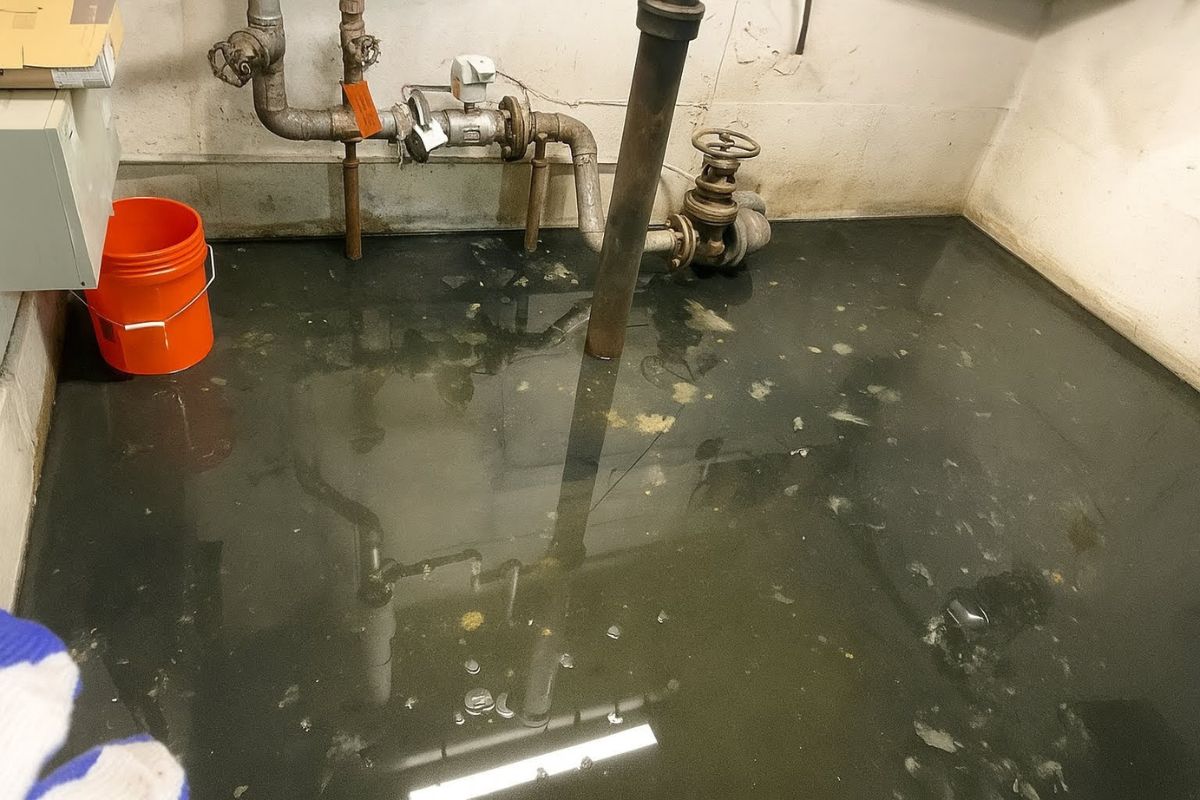
For example, a shared ventilation system or a faulty cross-connection could allow this polluted fluid to reach or even be drawn toward your clean water lines, especially when a pressure drop creates a vacuum. This situation, known as a cross-connection, pulls hazardous wastewater into the system, posing a severe health risk by compromising the safety of your water. A single backflow event can introduce dangerous contaminants into the water your family uses for drinking, cooking, and bathing.
Expert Warning: If multiple drains in your home are slow or you hear gurgling sounds, you may have a main line clog. Stop using water immediately and call a professional to prevent a hazardous sewage backup.
Risk 2: Biofilm and Bacterial Growth
Drains are a natural breeding ground for biofilm, a slimy, sticky layer of microbes like bacteria and mold. This film is a nutrient-rich environment for harmful pathogens like E. coli and Salmonella which feed on organic waste inside your pipes. As biofilm grows, it can release harmful gases and airborne pathogens that travel through the plumbing’s vent system. In many homes, this vent system is linked to the water tank’s overflow mechanism. This creates a direct pathway for bacteria in drain pipes to enter and contaminate your stored water, turning your clean water supply into a health hazard.
A slow drain isn’t just a nuisance; it’s a constant source of harmful bacteria. Regular drain cleaning is key to preventing this biological contamination.
Risk 3: Sediment Buildup and Reduced Water Quality
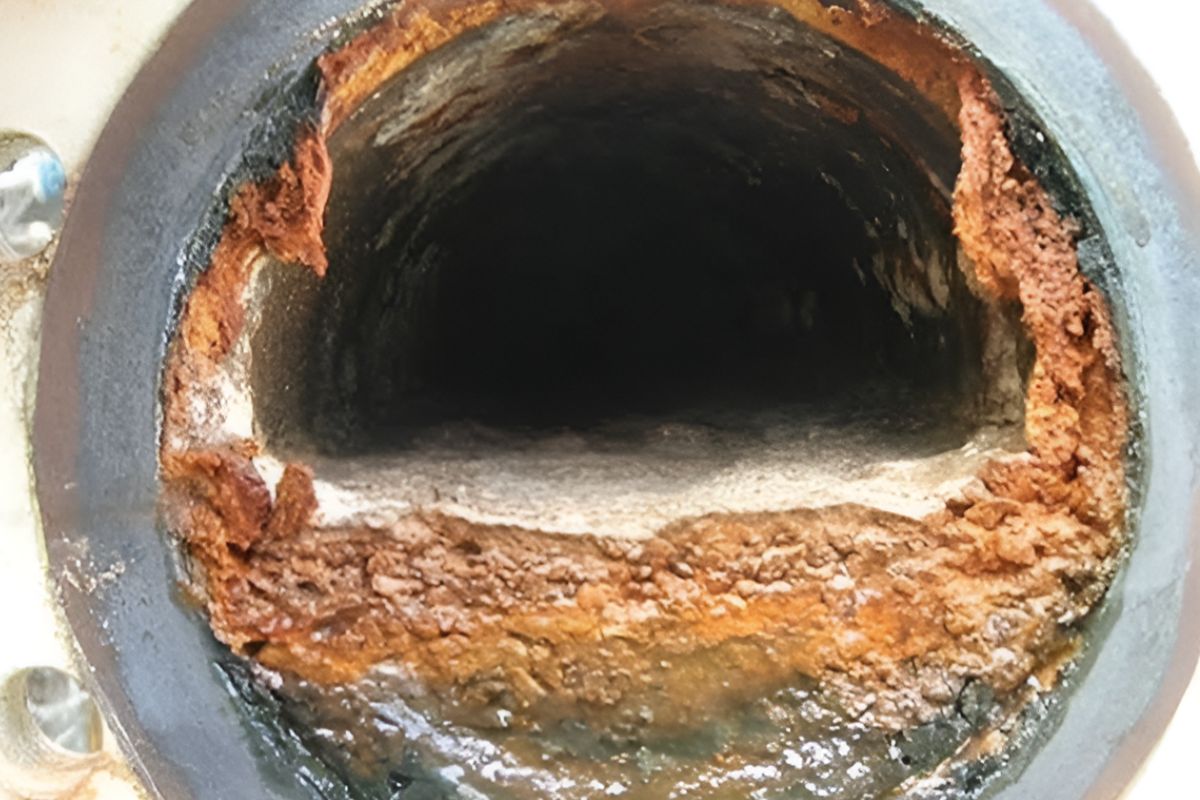
Even if cross-contamination doesn’t occur, drains naturally accumulate sediment and debris, especially with hard water or older pipes. If neglected, this buildup can become substantial. During water use or system flushing, this sediment can be pulled from the drains into your water tank. This sludge then provides a breeding ground for germs at the bottom of the tank. This creates a serious problem, affecting the water’s quality, clarity, and taste. It can also lead to downstream issues, such as clogging filters or damaging appliances. Clear drains, therefore, reduce this source of tank pollution.
Furthermore, sediment and biofilm act as a shield during disinfection. Thick sludge prevents disinfectants, such as chlorine, from reaching and neutralizing the pathogens embedded within. This renders the disinfection process ineffective, allowing harmful microbes to survive and multiply. A sludge-free system, starting with clean drains, ensures the disinfectant makes full contact with water tank surfaces. This allows for thorough sanitization and makes your water safe.
Professional Drain Cleaning vs. DIY Methods
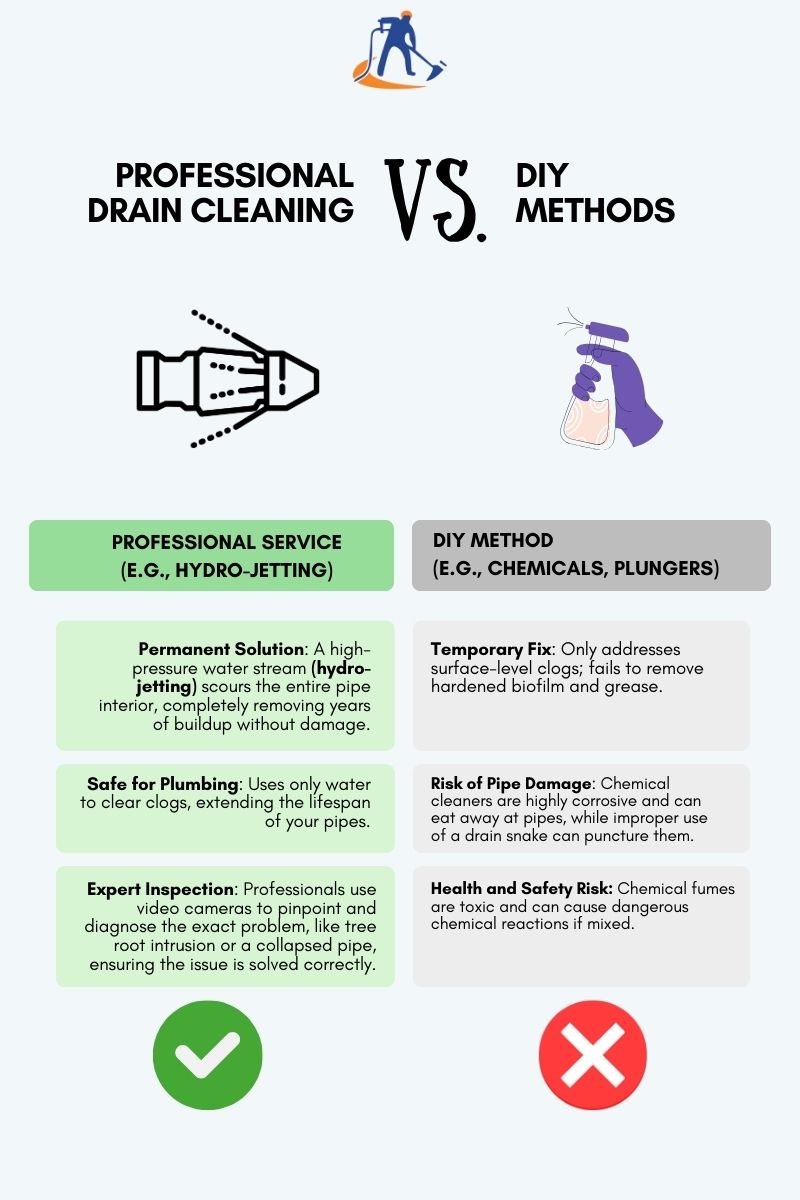
When faced with a clog, it’s tempting to reach for a quick fix. However, DIY solutions often fall short and can even cause more harm than good.
Why Home Remedies Fall Short: The Dangers of DIY Solutions
DIY methods like baking soda and vinegar or a plunger can offer temporary relief for minor clogs but cannot remove the hardened, dense buildup of grease and biofilm deep within your pipes.
The real danger lies in chemical drain cleaners. These products contain highly corrosive acids that can eat away at PVC, steel, and older pipes, leading to costly leaks. Their toxic fumes also pose a significant health risk to your family. Improperly using a drain snake can also scratch, puncture, or break pipes.
⚠️ Critical Caution: Never pour chemical drain cleaners down your drain. They can cause more damage than good, pose a serious health risk, and can cause dangerous chemical reactions if mixed with other substances.
The Unmatched Advantages of a Professional Service
Professional drain cleaning is the only way to ensure a thorough and lasting solution. Experts use advanced techniques like hydro-jetting, which uses a high-pressure stream of water to obliterate years of buildup and scour the entire pipe interior without damaging your plumbing. Professionals can also use video inspection cameras to pinpoint the exact location and cause of a problem, identifying serious issues like tree root intrusion or collapsed pipes that DIY methods can’t detect.
When to Call an Expert: 7 Warning Signs Your Drains (and Water Tank) Are at Risk
Your home’s plumbing is a delicate system. Ignoring minor drainage issues can have serious consequences, potentially compromising the cleanliness of your water tank. These common symptoms are critical warnings that a larger problem is developing and indicate it’s time to call a professional for an inspection.
If you notice any of these signs, your drains—and potentially your water tank—are at risk:
- Slow or No Drainage: If water is taking a long time to drain from sinks, showers, or toilets, or if it’s not draining at all, it could be a sign of a blockage.
- Backups and Overflowing: Water backing up into sinks, showers, or toilets indicates a severe blockage that’s preventing proper drainage.
- Foul Odors: Unpleasant smells coming from your drains, especially a sewage-like odor, suggest that waste is not flowing away properly and is decomposing in the pipes.
- Gurgling Noises: Gurgling or hissing sounds from your drains, particularly when you flush the toilet, indicate air trapped in the pipes due to a blockage.
- Increased Water Usage: A sudden and unexplained increase in your water bill could be a sign of a leak somewhere in your plumbing system.
- Strange Noises from the Tank: Hissing, bubbling, or rumbling sounds coming from the water tank itself can indicate leaks or sediment buildup, which can be exacerbated by drainage issues.
- Discolored or Rusty Water: If your water appears brown, murky, or rusty, it could be a sign of corrosion within the water tank or pipes.
Having a comprehensive tank inspection checklist can help you identify these issues early.
How to Keep Your Drains and Water Tank Clean
Proactive maintenance is the best way to protect your home and family. The most effective drain maintenance combines preventative actions, consistent cleaning, and professional support. Here’s how you can take action.
Simple DIY Maintenance Tips
Proactive drain maintenance is key to preventing major issues. You can help prevent minor clogs with a few easy habits.
- Use drain strainers in sinks and showers to catch hair and food debris.
- Never pour grease, oil, or coffee grounds down the drain; dispose of them in the trash.
- Flush drains weekly with hot water to help break down light, fresh buildup.
Remember, these are preventative measures, not solutions for an existing blockage.
The Role of Professional Water Tank Cleaning
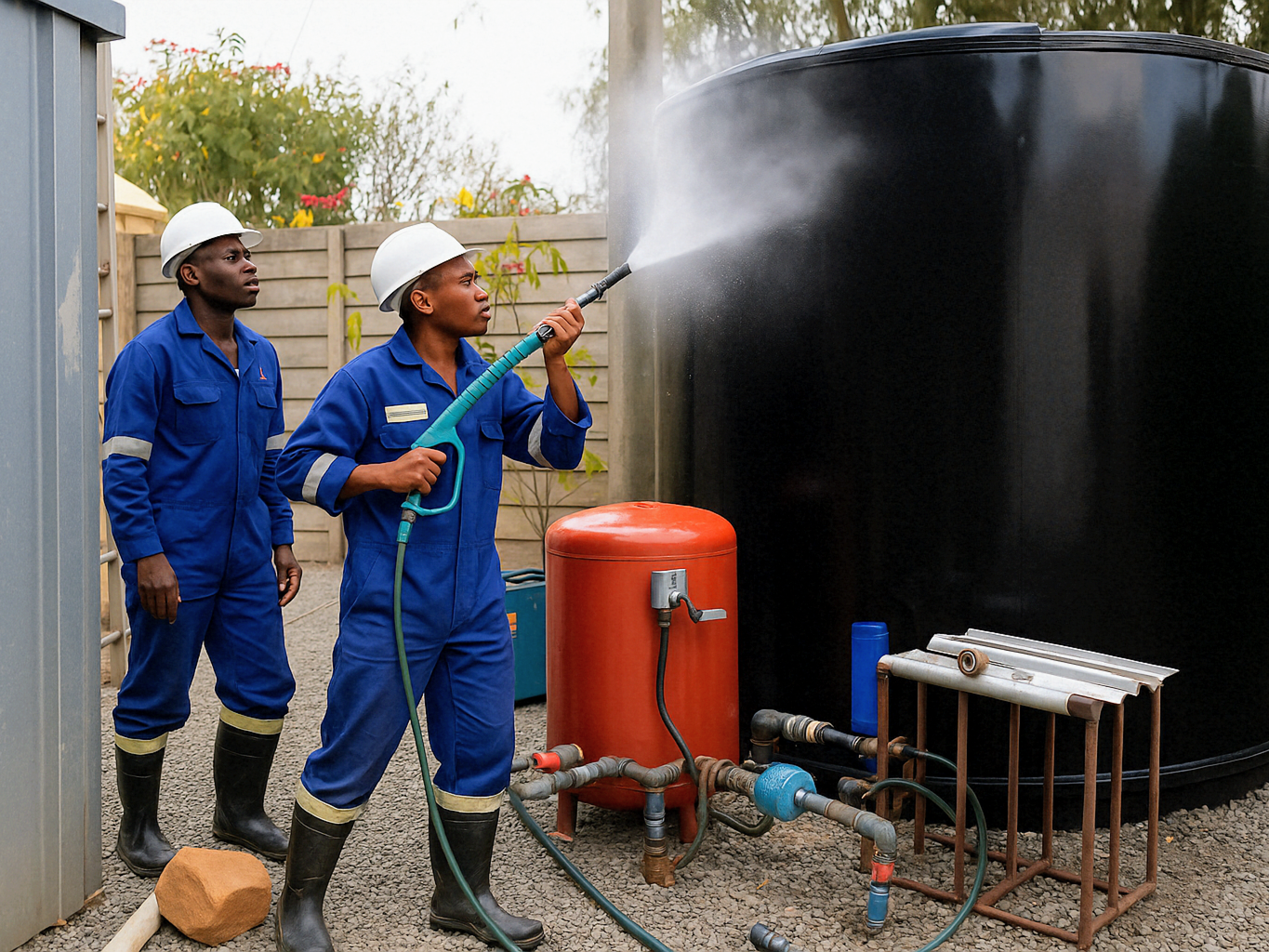
Maintaining clean drains is a crucial first step, but the tank itself requires specialized care. Regular professional water tank cleaning and disinfection are essential for removing sediment, bacteria, and algae. This two-pronged approach—addressing both your drains and your tank—is the most fundamental way to ensure your entire water system remains healthy and safe.
The experts at KiTank Cleaning Services follow a detailed process to guarantee your water is safe for drinking, cooking, and bathing:
- Inspection and draining the tank completely.
- High-pressure scrubbing to remove dirt, rust, algae, and biofilm.
- Disinfection and sanitization using safe, food-grade chemicals to eliminate harmful bacteria and pathogens.
- A final thorough rinse and inspection to ensure the tank is ready for use.
For residents in Kenya, KiTank Cleaning Services offers comprehensive solutions that extend beyond just tank cleaning to include professional drain cleaning, ensuring a holistic approach to your water system’s health.
How Often to Schedule Professional Cleaning
- Drain Cleaning: For most households, annual professional cleaning is an effective preventative measure. Homes with older plumbing or frequent grease disposal may need it every six months.
- Water Tank Cleaning: It’s recommended to have your domestic water tank professionally cleaned and disinfected every 6 to 12 months to remove sediment and ensure water purity.
Conclusion: A Small Investment for Your Family’s Safety
Regular drain cleaning is not just about fixing a slow drain—it’s an essential, proactive measure that protects your entire home. It prevents costly blockages, eliminates foul odors, extends the life of your plumbing, and, most importantly, safeguards your family’s health by keeping your water tank free from dangerous contamination.
Don’t wait for a messy, expensive, and unhealthy plumbing emergency. Be proactive about the health of your home’s water system.
👉Ensure your family’s water is safe and clean. Contact KiTank Cleaning today to schedule professional drain cleaning and water tank maintenance services in Nairobi and surrounding areas.
Call us now at 0729 735 245 or fill out our online form to get a free, no-obligation quote!
