
Clean water is the foundation of a healthy home. However, the tanks that store this water can collect algae, sludge, sediment, and harmful bacteria, posing a health risk. Traditional cleaning often uses harsh chemicals that can leave toxic residue in the water and harm the environment.
As awareness of these dangers grows, households and businesses are choosing eco-friendly cleaning solutions. These natural alternatives provide safe drinking water and help preserve the environment. This shift is not a trend, but a necessary change in how we maintain our water storage.
This guide offers safe and effective eco-friendly methods for cleaning your water tank. Whether you prefer a do-it-yourself approach or a professional service, these solutions will help ensure your water is pure.
What Makes a Water Tank Cleaner “Eco-Friendly”?
An eco-friendly cleaner is one that is fundamentally safe for human health—especially in potable water systems—and is designed to minimize environmental harm during its use and disposal.
Characteristics of Green Tank Cleaning Products.
- Non-toxic: Safe for use in drinking water systems, posing no risk to your family.
- Biodegradable: They break down naturally, avoiding persistent pollutants in soil or water.
- Phosphate-Free: Prevents nutrient overload in water bodies, reducing risks like eutrophication.
- Residue-Free: Leaves no harmful chemicals after rinsing, ensuring water purity.
- Naturally Derived: Ingredients are often plant- or mineral-based, reducing reliance on synthetic chemicals
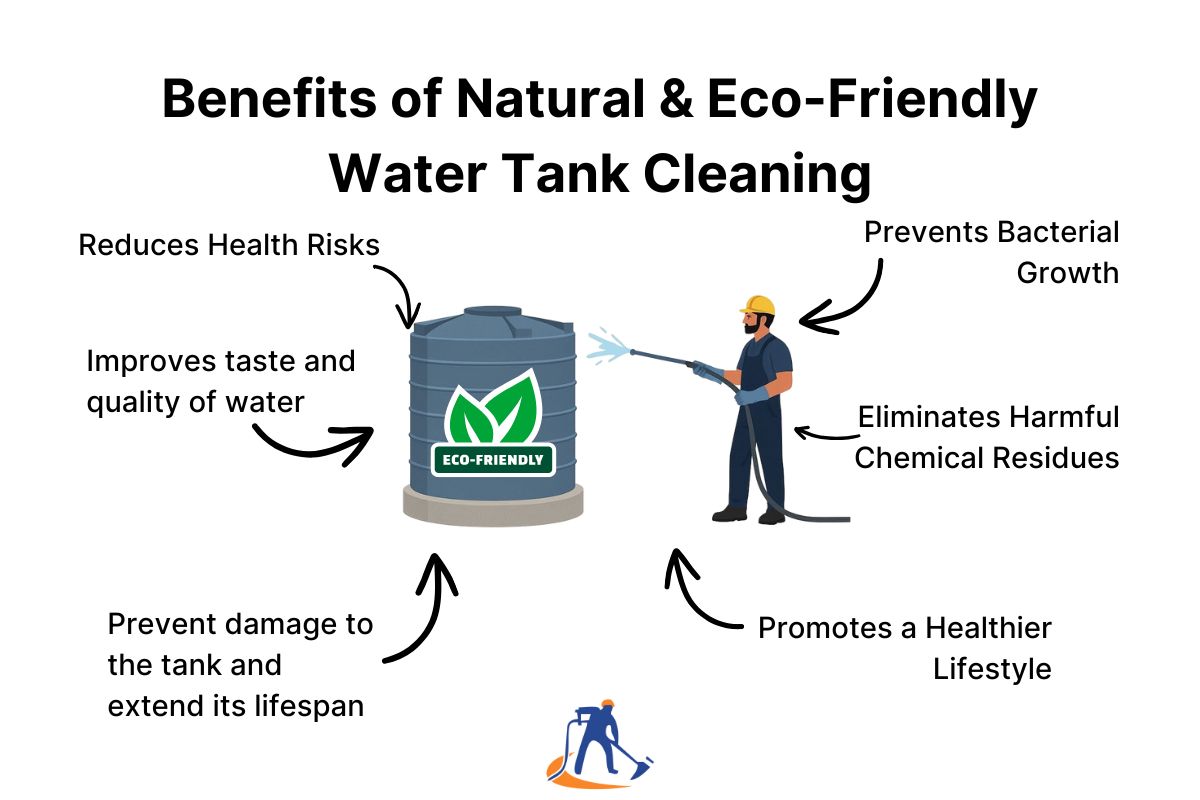
DIY Natural Cleaning Methods: How to Clean Your Water Tank Without Chemicals
When it comes to environmentally safe tank cleaning products, nature provides an impressive arsenal of effective solutions. Here’s a comprehensive look at the most reliable natural cleaning options:
1. Manual Scrubbing & High-Pressure Water Jetting
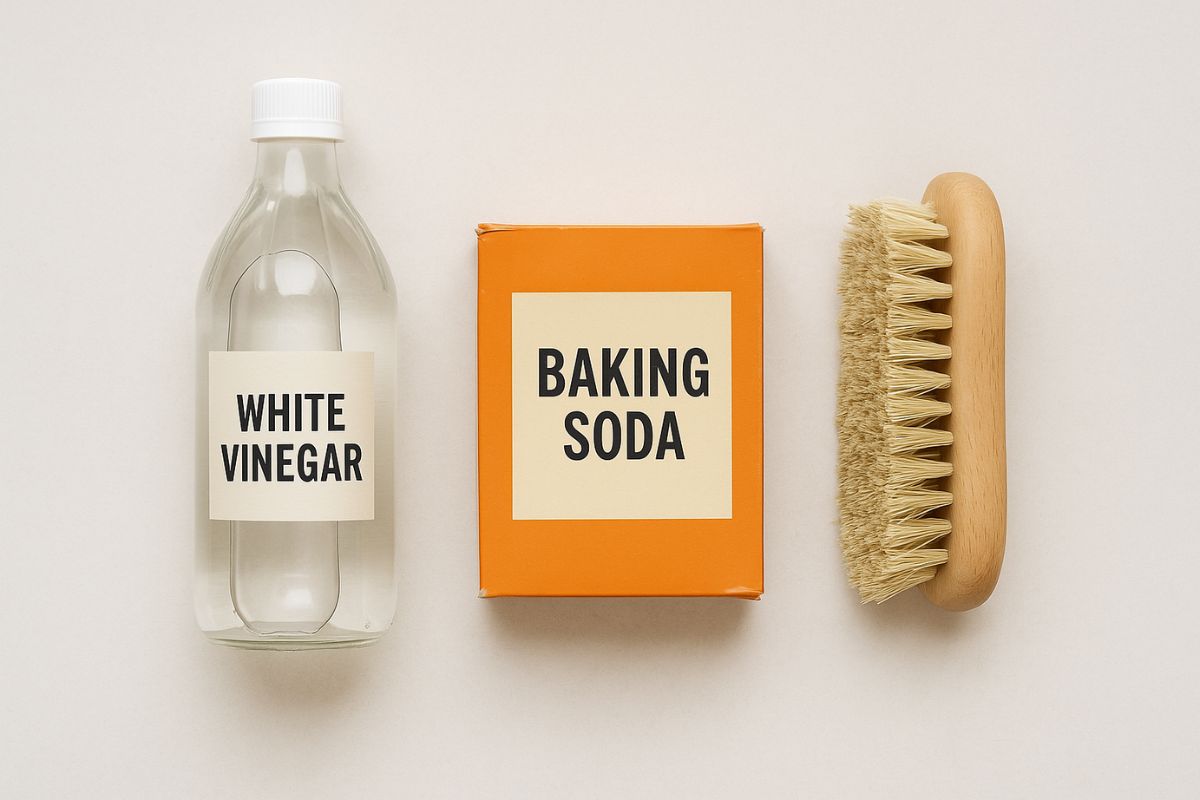
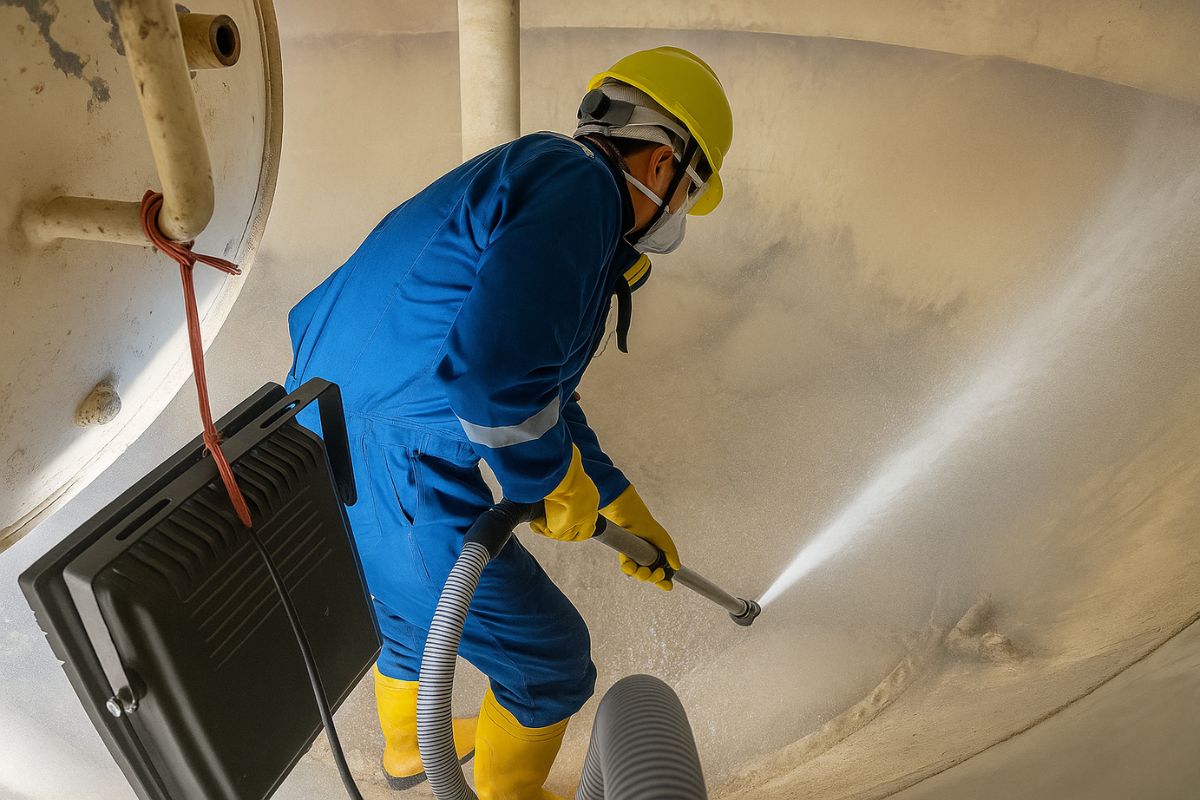
Before using any water tank cleaning agent, the initial and crucial step is physical removal of loose debris, sediment, and any visible dirt or grime from the tank’s interior. After draining the tank, use a stiff-bristled brush to scrub the interior walls and floor. This dislodges the majority of sediment, sludge, and algae. For a more powerful, chemical-free clean, a high-pressure water jet can effectively blast away stubborn buildup.
2. White Vinegar Solution
White vinegar is a safe and effective cleaning agent due to its acidic nature, which allows it to dissolve mineral deposits like limescale and inhibit the growth of algae and bacteria. It’s a versatile, non-toxic, and eco-friendly alternative to harsh chemical cleaners.
How to Use It:
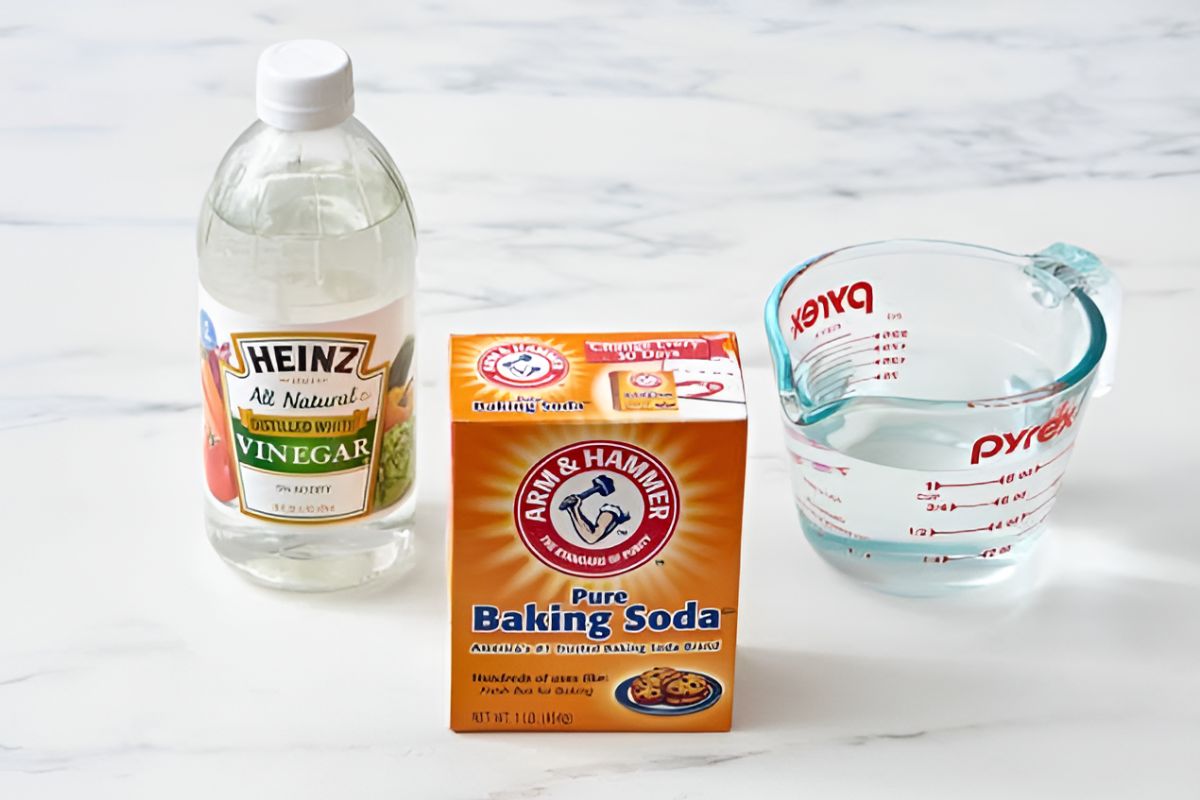
- For general cleaning: Mix equal parts white vinegar and water. Apply the solution to the tank’s surfaces and let it sit for one to two hours.
- For heavy buildup: Use undiluted vinegar. Allow it to sit for several hours or overnight to dissolve stubborn deposits.
⚠️ Important Safety Tip: Never mix vinegar with chlorine-based products like bleach, as this combination creates highly toxic chlorine gas.
3. Baking Soda Paste
Baking soda (sodium bicarbonate) is a gentle abrasive that scrubs away biofilm and neutralizes odors.
- How to Use It: Create a paste by mixing baking soda with a small amount of water. Apply the paste to the tank surfaces and scrub with a brush. For a powerful fizzing action that helps lift grime, you can create a solution of vinegar and baking soda. Let it sit, then scrub and rinse thoroughly.
4. Citric Acid for Limescale and Biofilm
Naturally found in lemons, citric acid is excellent for removing mineral buildup, biofilm, and acts as a mild disinfectant. Its chelating properties help break down hard water deposits, while its acidity inhibits bacterial growth.
How to Use It: Dissolve 5-10 tablespoons of citric acid powder in 4-5 litres of water. Apply this solution to the tank walls, let it sit for several hours to break down contaminants, then scrub and rinse completely.
When to Call a Professional: Advanced Eco-Friendly Cleaning Technologies
When DIY methods aren’t sufficient for heavy contamination or for a guaranteed deep clean, professional services are the best option. Reputable companies like KiTank Cleaning Services use advanced, eco-friendly technologies to ensure your water is perfectly safe.
Controlled Chlorine Dioxide (Food-Grade)
Though it has “chlorine” in its name, chlorine dioxide (ClO₂) is chemically different from bleach. It is a highly effective, food-grade disinfectant used to eliminate bacteria and viruses from water tanks. It’s known for its ability to do so without producing harmful byproducts, particularly when used according to professional eco-cleaning protocols. Professionals utilize it at carefully calibrated, low concentrations for optimal results.
Hydrogen Peroxide (H₂O₂) Disinfection
Food-grade hydrogen peroxide is a potent oxidizing agent that breaks down into only water (H₂O) and oxygen (O₂), leaving no toxic taste, odor, or residue. It is highly effective against a broad spectrum of microorganisms. Professional application by services like KiTank Cleaning Services ensures the correct concentration is used for safe and total disinfection.
Ozone (O₃) Water Treatment
Ozone is an extremely powerful, fast-acting disinfectant. Professionals use an ozone generator to inject it into the tank, where it rapidly oxidizes and destroys bacteria, viruses, and other organic matter. Ozone then naturally reverts to pure oxygen, leaving the water clean and oxygenated.
Enzymatic & Bio-Based Cleaning Options
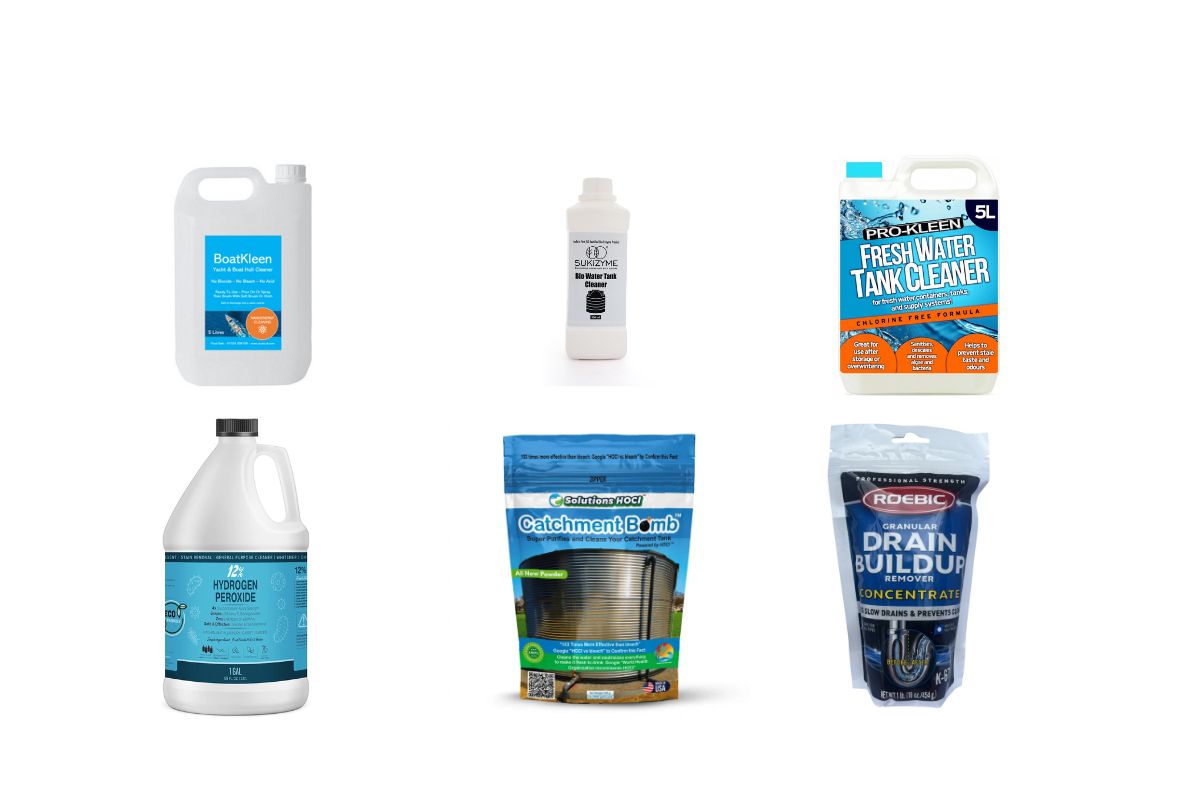
Enzymatic water tank cleaning products use natural enzymes and beneficial bacteria to digest organic sludge and algae, turning them into harmless byproducts like carbon dioxide and water.
Each of these solutions offers unique advantages for different types of tanks and contamination levels. For example:
- Sukizyme Bio-Enzyme Water Tank Cleaner removes non-living particles like dust and rust.
- Mr. Bacteria No. 15, designed for rainwater tanks, uses soil bacteria to decompose organic waste, eliminate odors, and clarify the water.
UV Light Sterilization
After cleaning, ultraviolet (UV-C) light offers a final, chemical-free disinfection step. A specific UV wavelength is used to disrupt the DNA of any remaining microorganisms, rendering them harmless without any chemicals. This method does not alter the water’s taste or odor, making it ideal for a final safety check.
Eco Water Tank Cleaning Process
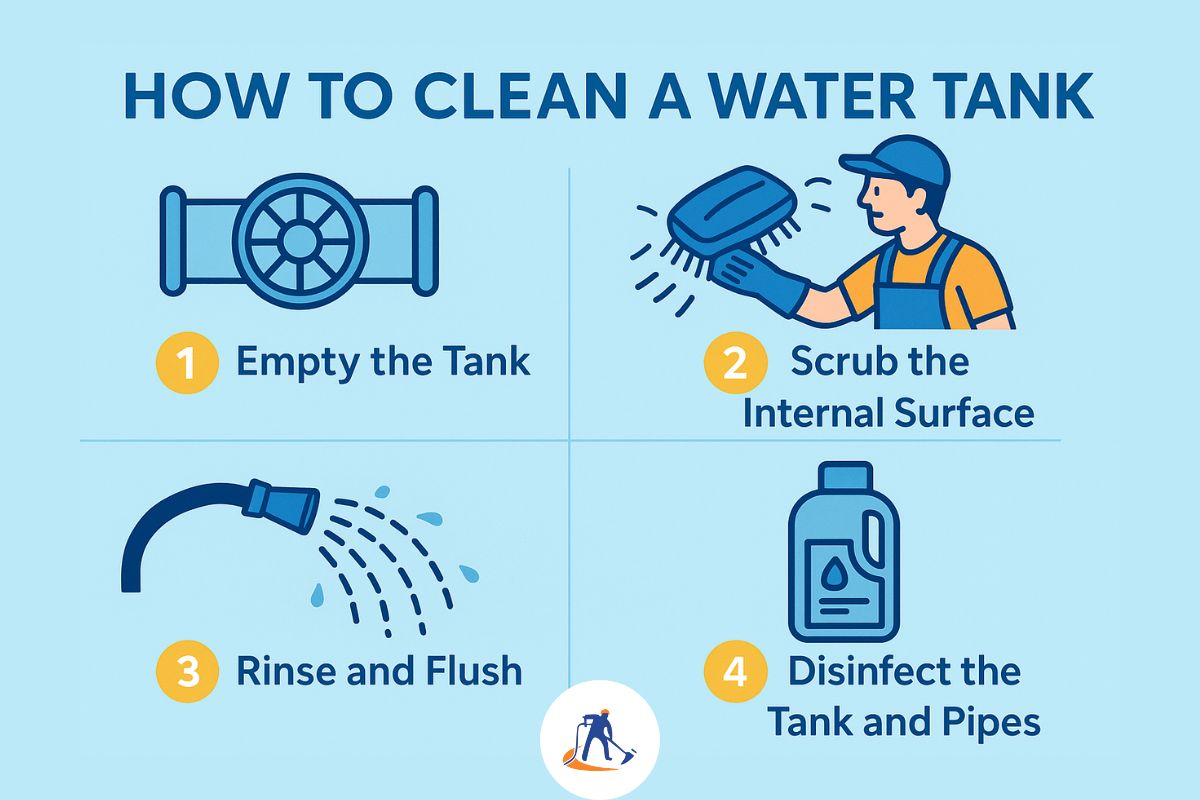
Creating your own natural cleaning solutions isn’t just cost-effective; it’s also empowering and ensures you know exactly what’s going into your water system. Here’s a detailed guide to safely cleaning your water tank using environmentally friendly methods:
- Drain the Tank: Turn off the water supply and empty the tank completely.
- Remove Sludge: Manually scoop out any sediment from the bottom.
- Scrub the Interior: Apply your chosen eco-cleaner (e.g., vinegar solution, baking soda paste) and scrub all internal surfaces with a clean, stiff brush. Pay close attention to corners.
- Disinfect (Recommended for Drinking Water): Apply a disinfecting solution like diluted food-grade hydrogen peroxide or arrange for a professional UV treatment to ensure all pathogens are eliminated
- Rinse Thoroughly: This is the most critical step. Rinse the tank multiple times with clean water until no trace of the cleaning solution remains.
- Inspect and Refill: Do a final visual check before turning the water supply back on and refilling the tank.
How Often Should I Clean My Water Tank?
For optimal water quality and safety, it is recommended to have your water tank professionally inspected and cleaned at least once every 6 to 12 months. Clean your tank immediately if you notice discoloration, a strange taste or odor, or after any event that may have introduced contaminants.
Long-Term Preventive Measures:
Maintaining your water tank using eco-friendly methods requires a systematic approach that emphasizes prevention over intervention. Implementing these sustainable practices will reduce the frequency of deep cleaning while ensuring consistent water quality.
- Keep your tank covered with a secure lid to block sunlight and debris.
- Install water filters on inlet pipes to catch sediment.
- Keep the area around your tank clean and clear of vegetation.
- Check seals and connections monthly
Why Choose Professional Eco-Friendly Cleaning?
While DIY methods are useful for maintenance, professional services offer significant advantages:
- Guaranteed Results: They have the tools and expertise to remove even the most stubborn contaminants.
- Safety and Compliance: Professionals like KiTank Cleaning Services are trained in safe cleaning protocols and adhere to regulations from bodies like the National Environment Management Authority (NEMA) for waste disposal.
- Advanced Technology: They have access to advanced solutions like ozone treatment and UV sterilization for a superior level of clean.
- Peace of Mind: You can be confident that your water is 100% safe for your family.
Invest in a Healthier Future for Clean, Green Water
The transition to eco-friendly water tank cleaning products represents a crucial step toward environmental responsibility without compromising water quality and safety. By choosing natural cleaning solutions, whether through DIY eco-friendly cleaning methods or professional services, you’re not only ensuring clean water for your household but also contributing to environmental preservation.
Remember that sustainable water tank maintenance is an investment in both your health and our planet’s future. As more people embrace these green cleaning alternatives, we collectively move toward a more sustainable approach to water storage maintenance.
Ready to ensure your water is pristine? Don’t compromise. Contact KiTank Cleaning Services today. We offer expert, environmentally responsible water tank cleaning across Nairobi and major Kenyan towns, ensuring your water is clean, green, and safe for everyone.
