
Your Water’s SOS – Don’t Ignore the Alarm!
You turn on your tap for a glass of water, but what comes out is brown, smelly, or has particles floating in it. Panic sets in. Is this an emergency? For Kenyan families and businesses, clean water is not a luxury—it’s essential for health. Contaminated water from a tank can lead to serious, fast-spreading illnesses. After floods, pest infestations, or long periods of neglect, a water tank can become a breeding ground for dangerous diseases like cholera and typhoid.
Emergency water tank cleaning is not routine maintenance, but a crisis intervention to safeguard your family or business from the health hazards of contaminated water. This guide helps you identify urgent water tank issues and know when to call professional water tank cleaning services for an immediate, reliable, and safe solution. Learn when emergency water tank cleaning is necessary—and why KiTank Cleaning Services is the trusted partner for Kenyans seeking that protection.
Key Points:
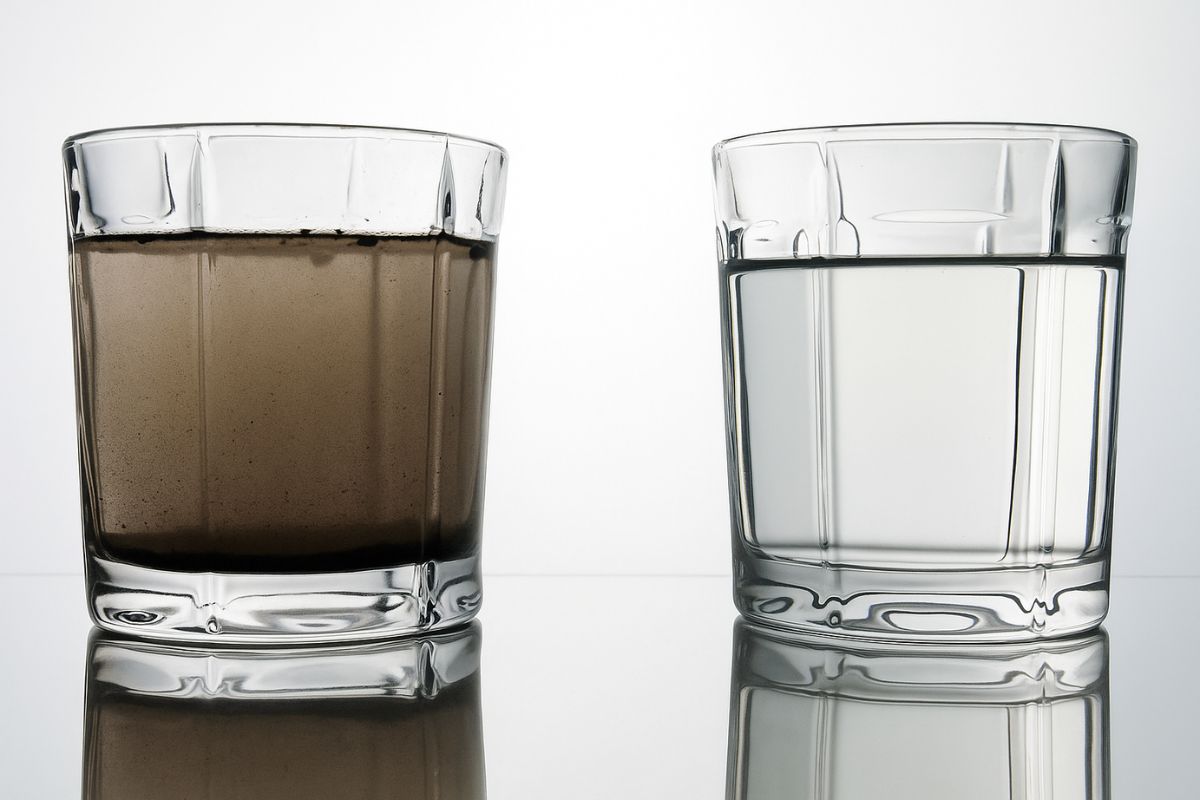
- A contaminated water tank is a serious health hazard, capable of breeding dangerous waterborne diseases like cholera and typhoid.
- Act immediately if you see any emergency signs: severe discoloration or foul odors, visible pests or sludge, or if the tank was compromised by floods or physical damage.
- In a water crisis, professional emergency cleaning is the only method guaranteed to eliminate microscopic threats and restore safe water for your family.
Why Is Regular Water Tank Cleaning Important?
- Prevent contamination: Sediment buildup and algae growth can harbor bacteria and pathogens.
- Maintain water quality: Clean tanks ensure safe, fresh water for drinking, cooking, and cleaning.
- Extend tank lifespan: Removing corrosive deposits prevents damage to the tank material.
- Avoid costly repairs: Regular maintenance reduces the risk of leaks and tank failure.
Regular vs. Emergency Water Tank Cleaning
Regular and emergency water tank cleaning differ in their frequency and urgency. Regular water tank cleaning is scheduled, preventive maintenance—typically every 6 to 12 months for domestic tanks and every 3 to 6 months for commercial ones—to maintain water quality and prevent common water tank issues such as sediment or microbial buildup. Emergency cleaning is an immediate response to contamination, required when you notice discolored water, a foul odor, or visible debris.
The following table summarizes the key differences:
| Feature | Regular Cleaning | Emergency Cleaning |
|---|---|---|
| Purpose | Preventive maintenance to preserve water quality. | To address and remove immediate contamination. |
| Frequency | Scheduled: 6–12 months (domestic); 3–6 months (commercial). | As needed in response to a contamination event. |
| Signs of Need | Follows a set schedule; no visible signs of trouble are required. | Discolored water, foul odor, visible sediment, or algae. |
| Scope | Routine inspection, cleaning, and disinfection. | Detailed assessment, thorough cleaning, and potential water testing. |
| Example | Annual cleaning of a residential water tank. | Cleaning a tank after contamination from a flood. |
⚠️URGENT!: If you see, smell, or taste anything wrong with your water, stop using it immediately for drinking, cooking, bathing, or brushing your teeth. Use bottled water for critical needs.
KiTank Cleaning Services offers a 24/7 emergency hotline at 0729 735 245 for immediate assistance in Kenya
When to call for Emergency Water Tank Cleaning: 5 Urgent Signs
This checklist is your diagnostic tool. If you observe any of the five symptoms listed below in your water tank, you have a potential water safety emergency. Contact a professional water tank cleaning service like KiTank Cleaning Services immediately to assess the tank and perform the necessary cleaning and disinfection procedures.
Here are some common signs that indicate your water tank needs immediate cleaning:
1. Sudden, Severe Water Discoloration or Foul Odor
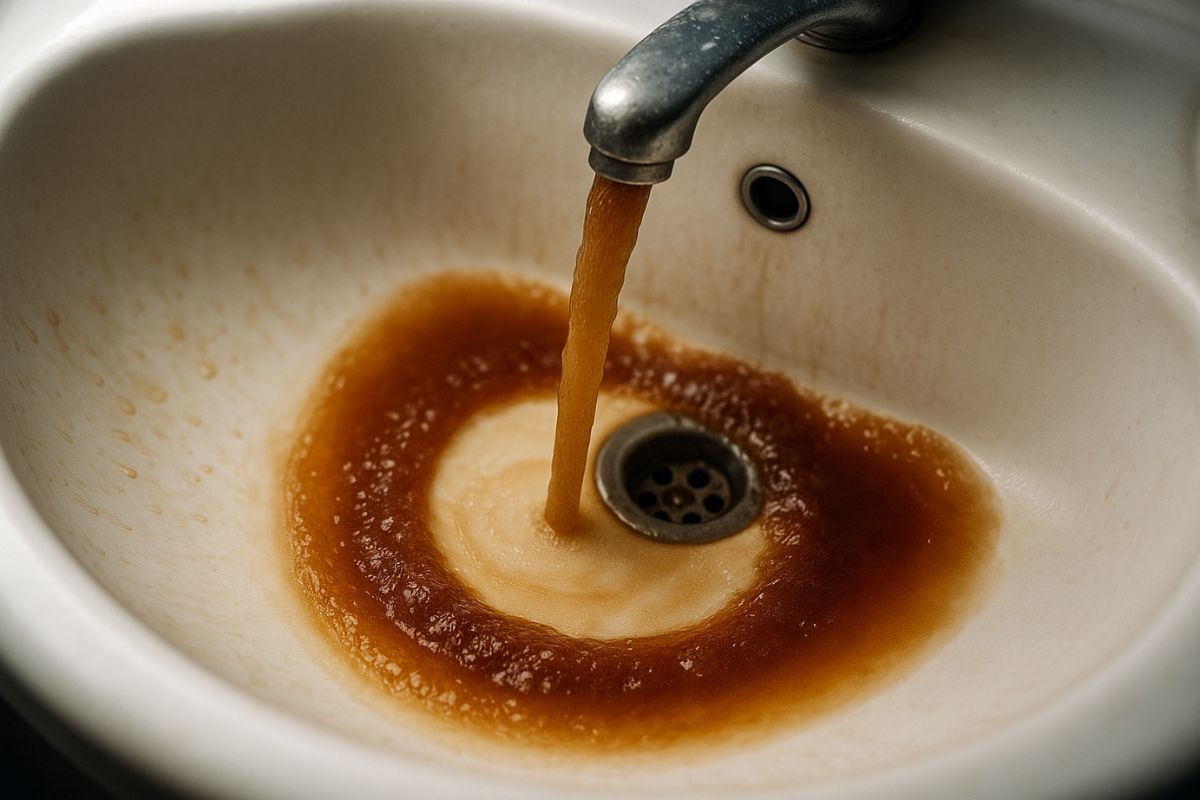
What you see/smell: Your water suddenly turns murky, brown, yellow, or black, often with visible particles like dirt, rust flakes, or slimy bits. It may also have a strong, unpleasant smell like rotten eggs (sulfur), musty earth, or chemicals.
Why it’s urgent: This indicates a major contamination event, such as a large amount of sediment entering through a crack, a severe rust problem, or a rapid algae bloom. Foul odors often signal active bacterial growth, which can cause immediate gastrointestinal illnesses like diarrhea and vomiting. This water is actively unsafe to consume or even use for bathing.
2. Visible Contaminants, Sludge, or Dead Pests in the Tank
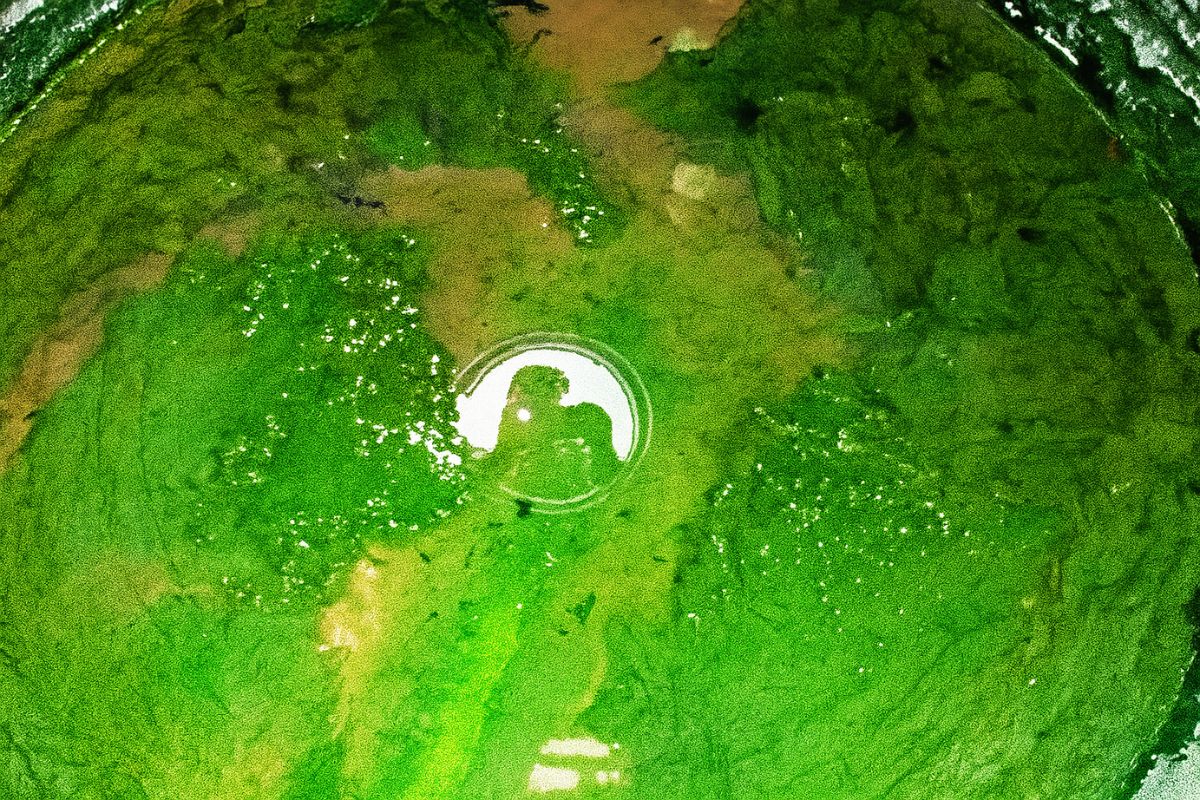
What you see: You open the tank lid and discover a thick layer of sludge at the bottom, a slimy film on the walls, or, in the worst-case scenario, dead animals like birds, rats, lizards, or insects floating in the water.
Why it’s an emergency: This is a biohazard. Dead pests or animals mean your tank’s security has been breached, creating a direct entry point for dangerous pathogens like Salmonella, Leptospirosis, and E. coli. The decaying matter acts as a food source for bacteria, rapidly multiplying the contamination. The tank must be professionally drained, sanitized with KEBS-approved solutions, and the entry point sealed by experts.
3. Post-Disaster Scenarios: Floods, Pipe Bursts, Nearby Contamination Event
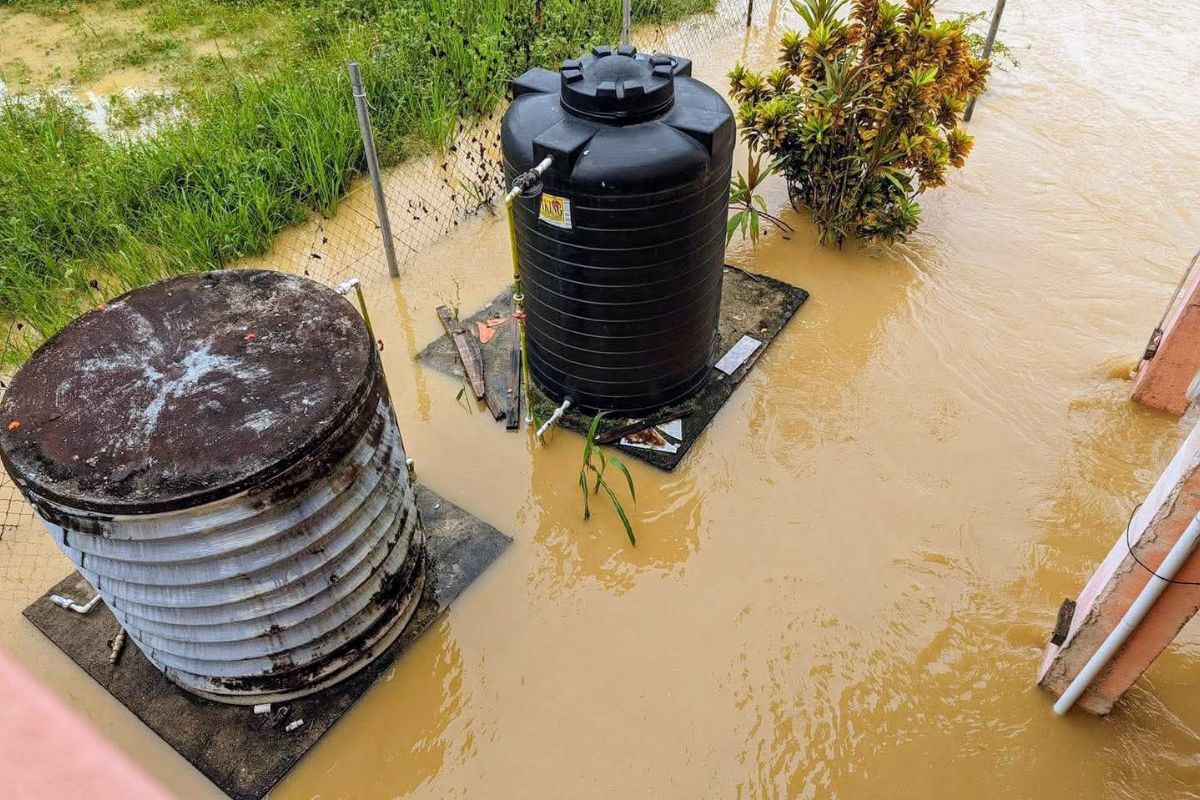
What you experience/observe: Recent flooding (even if the tank wasn’t submerged, nearby groundwater could affect it), burst pipes leading to depressurization and ingestion of contaminants, or chemical spills/sewage leaks in the vicinity. If the area around your tank has flooded, assume the tank is contaminated with silt, sewage, and chemicals from the floodwater.
Why it’s urgent: Your water is almost certainly contaminated with a cocktail of dangerous substances. Floodwaters containing sewage, chemicals, and mud can easily enter and compromise an improperly sealed tank. Even if water “looks” okay, it could be microbiologically unsafe. Visual inspection of the water is not enough to confirm safety. In these situations, the water requires professional emergency disinfection.
4. Unexplained Sickness in Your Home or Workplace
The signs: Several people—family, tenants, or employees—experience repeated bouts of stomach upset, diarrhea, vomiting, skin rashes, or eye infections with no obvious explanation.

Why it’s an emergency: These symptoms are classic signs of a waterborne disease outbreak. In Kenya, contaminated water frequently causes serious illnesses like typhoid, cholera, amoebiasis, giardiasis, and E.coli infections. If sickness spreads through your household or workplace, treat your water source as the prime suspect. Stop using the water immediately, seek medical advice, AND call a qualified service like KiTank Cleaning for an emergency water tank inspection, cleaning, and disinfection.
Expert Advice: The World Health Organization (WHO) warns that unsafe water storage directly contributes to waterborne disease outbreaks. In an emergency, professional cleaning and disinfection are the only reliable methods to restore water safety.
5. Obvious Damage to the Water Tank Structure
What it looks like: You can see visible cracks, holes, or severe rust on the tank. The lid is missing, broken, or does not seal properly, leaving a gap for contaminants to enter.
Why it’s an emergency: A compromised tank is an open invitation for contamination. Dust, bird droppings, insects, and airborne bacteria can freely enter and pollute your water supply. This structural failure requires not only a deep cleaning but also an expert assessment to determine if a repair or replacement is needed to ensure long-term water safety.
The above-mentioned 5 signs are crucial indicators that your water tank may need immediate professional cleaning. Ignoring these signs can lead to health risks associated with contaminated water. Promptly contacting a professional water tank cleaning service is crucial to ensure the safety and quality of your water supply.
What to Do Immediately If Your Water Seems Contaminated
If you suspect your water is contaminated, your first priority is to prevent anyone from using it. Follow these steps right now while you arrange for professional help:
- Stop Using the Water: Immediately switch to sealed, bottled water for all drinking, cooking, rinsing food, and brushing teeth.
- Post a Clear Warning: Place a sign on all taps and on the water tank itself, warning others not to use the water. This is crucial in homes with children, office environments, or rental properties.
- Don’t Use Hot Water Appliances: Avoid running dishwashers, washing machines, or instant showers. Using these appliances can pull contaminated water further into your plumbing, making decontamination more difficult and costly.
- Try to Identify Potential Causes: Note any recent events. Was there heavy rainfall or flooding? Did you have a recent pest problem? Was there construction or a major pipe burst nearby? This information will help technicians diagnose and resolve the issue much faster.
Need Emergency Tank Cleaning in Kenya?
KiTank Cleaning Services is Kenya’s trusted choice for fast, safe, and professional water tank cleaning.
Book Emergency Cleaning NowThe High Stakes of Waiting: Why DIY is Dangerous in an Emergency
The physical, chemical, and biological hazards of improper DIY emergency cleaning can worsen contamination and lead to severe waterborne illnesses. Emergencies require a reliable solution, not a risky one.
Here’s why a professional service is essential:
| Feature | Emergency DIY Cleaning (High Risk) | KiTank Pro Solution (Guaranteed Safety) |
| Sanitization | Inadequate. Household cleaners leave behind biofilm and pathogens. | Guaranteed. KiTank Cleaning Services uses metered, food-grade, KEBS-approved disinfectants that guarantee 99.9% pathogen removal without leaving harmful chemical residues. |
| Personal Safety | Extremely dangerous. Risk of suffocation from toxic fumes or low oxygen. | Safe. Our certified technicians use specialized ventilation and Confined Space Entry protocols. |
| Tank Integrity | High risk of damage. Abrasive tools can scratch the lining, promoting bacterial growth. | Protected. Uses high-pressure jets and non-abrasive methods to preserve the tank’s interior. |
Warning: Never enter a water tank without proper training and safety equipment. Confined spaces can contain toxic fumes or low oxygen levels, posing a fatal risk. Always call professionals for emergency situations.
For reliable emergency water tank cleaning in Nairobi and other parts of Kenya, KiTank Cleaning Services offers a thorough, multi-step cleaning and disinfection service.
The KiTank Professional Emergency Cleaning Process
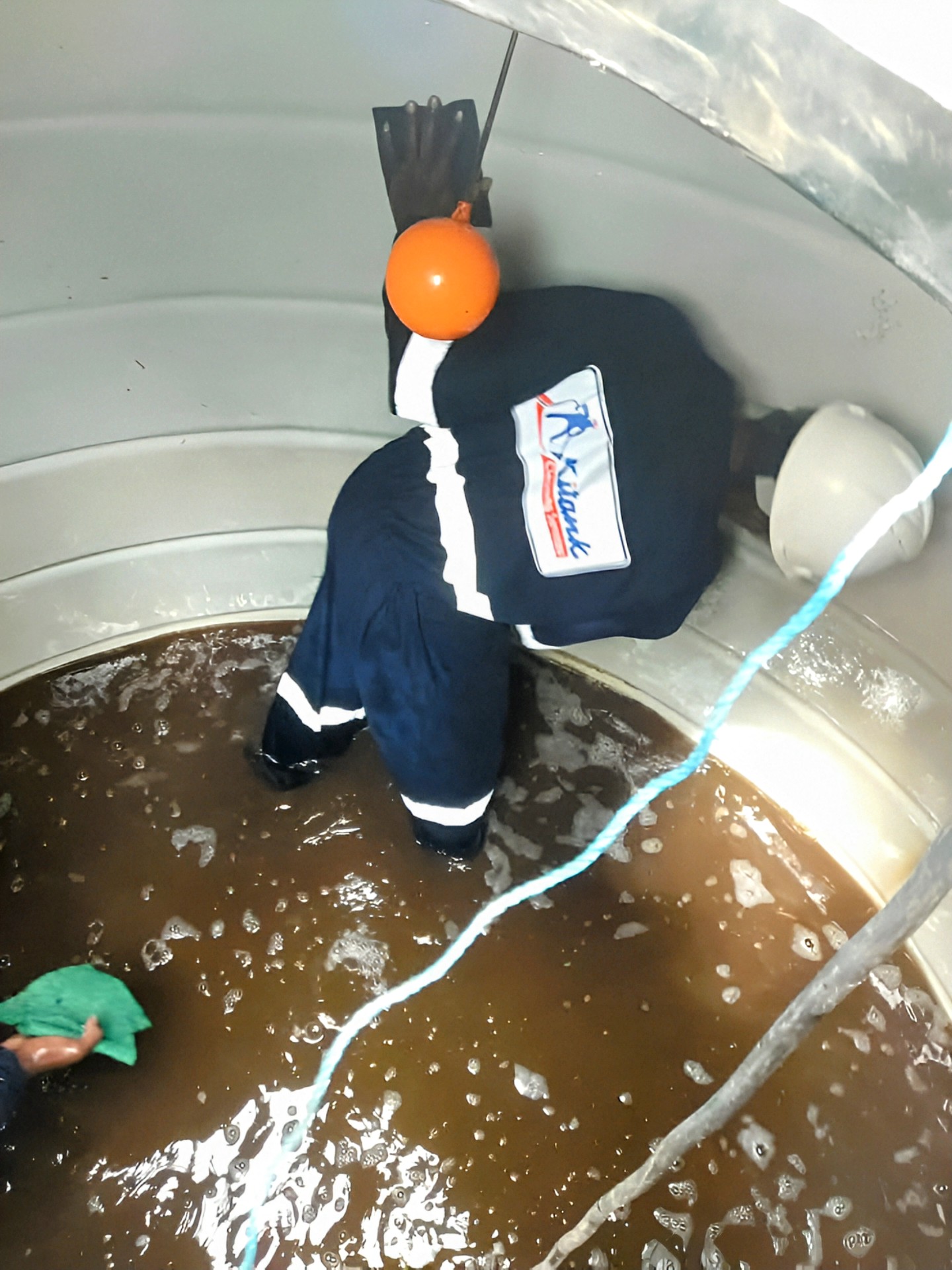
When you call KiTank Cleaning for an emergency, you activate a proven cleaning and disinfection protocol designed for rapid and thorough water safety restoration. Here’s what to expect:
- Rapid Assessment: Our team arrives quickly to assess the contamination and determine the safest, most effective cleaning protocol.
- Safe Draining & Sludge Removal: We use industrial pumps to safely drain the tank and dispose of the contaminated water responsibly. We then remove all sludge, sediment, and debris.
- High-Pressure Cleaning & Disinfection: Our technicians use high-pressure jets to scour all interior surfaces, removing stubborn biofilm. We then disinfect with potent, KEBS-approved solutions to kill 99.9% of germs, viruses, and bacteria.
- Thorough Rinsing & Final Inspection: The tank is rinsed multiple times to remove all cleaning agents. A final inspection ensures the tank is secure before it is refilled with fresh, clean water.
- Verification and Guaranteed Safe Water: For total peace of mind, we can test the final water quality to verify it meets national potable water standards. You receive a post-cleaning report, guaranteeing your water is safe.
Case Study: A family in a Nairobi suburb contacted us in a panic after their water turned dark brown following heavy rains. Our emergency team arrived within two hours. They discovered a cracked tank lid had allowed mud and organic debris into the system. Within three hours, the tank was professionally drained, de-sludged, and sanitized. The family’s clean water source was restored, preventing potential illness and providing immediate peace of mind.
Your Family’s Health Can’t Wait: Secure Your Water Now
We’ve covered the critical signs that demand emergency water tank cleaning—from discolored water to post-flood contamination. We’ve also seen the severe health risks they represent and why a DIY approach in a crisis is a dangerous gamble. In these urgent situations, professional expertise isn’t a luxury; it’s a non-negotiable necessity for the health and safety of your family or business.
See any of these emergency signs? Don’t wait for sickness to strike. Protect your family now.
Contact KiTank Cleaning Services for Immediate, 24/7 Reliable Emergency Water Tank Cleaning in Nairobi Kenya.
Our expert team is ready to restore your water safety!
📲 Call or WhatsApp: 0729 735 245
📧 Email: info@kitankcleaning.co.ke or kitankcleaning@gmail.com
🌐 Request a Free Quote Or fill out our form for an urgent callback.
