
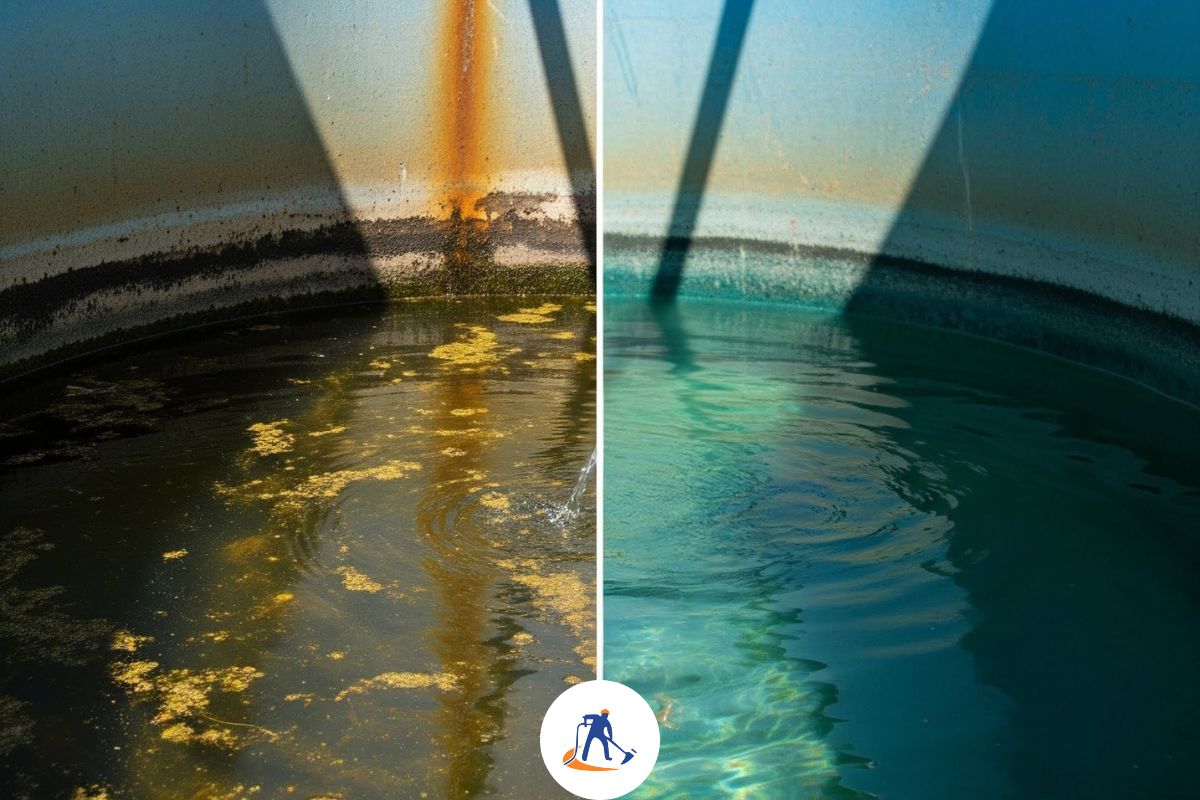
In Kenya, your water tank is vital, supplying water for drinking, bathing, and daily chores. But a neglected tank harbors invisible threats that can compromise your family’s health.
The most dangerous contaminants are often unseen, odorless, and tasteless. You could use contaminated water daily, unaware, until symptoms appear. Dirty water tanks breed bacteria, algae, and sediment. These contaminants cause illnesses ranging from typhoid and cholera to skin irritations and stomach upset, and can even lead to long-term liver damage. Prolonged exposure can weaken the immune system. Regular cleaning is essential to prevent these risks.
This post will uncover 5 silent health risks lurking in your uncleaned water tank, revealing why regular, professional water tank cleaning isn’t just about clear water – it’s about safeguarding your well-being.
The 5 Silent Health Risks of a Dirty Water Tank
The clear water flowing from your tap might be deceiving. Inside an uncleaned tank, various contaminants can thrive, posing serious, often invisible, health risks.
1. Bacterial & Viral Infections – The Microscopic Invaders
The Threat: Even seemingly clear water can harbor dangerous bacteria like E. coli, Salmonella, Legionella, and various viruses. These pathogens often enter tanks through unsealed lids, contaminated water sources (especially boreholes or harvested rainwater), or even through pest droppings. Once inside, stagnant water and accumulated sediment provide ideal breeding grounds.
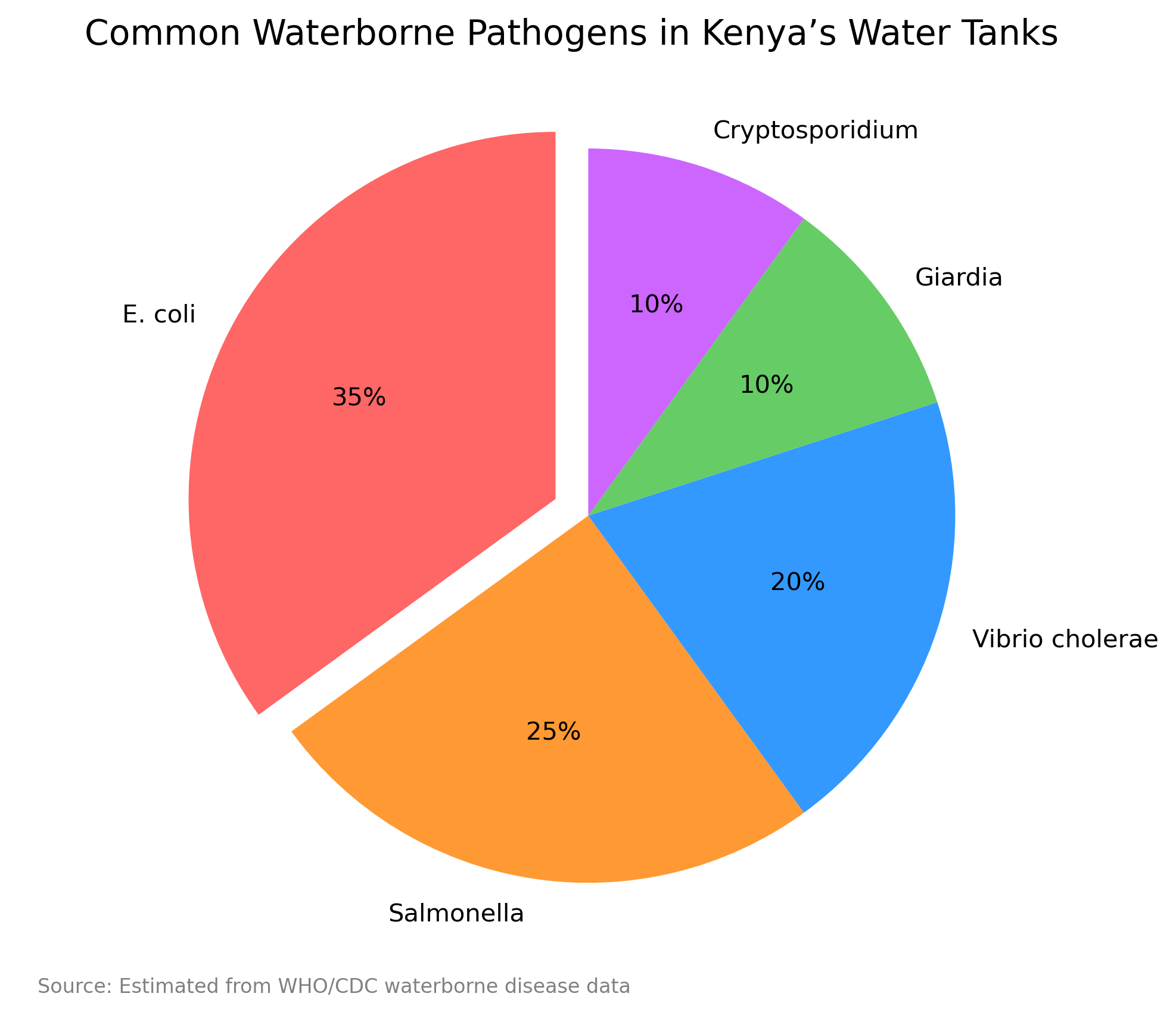
Health Impact: These microbes are a primary cause of severe waterborne diseases in Kenya, leading to:
- Cholera: A severe diarrheal disease causing rapid dehydration, which can be fatal if untreated.
- Typhoid Fever: High fever, weakness, abdominal pain.
- Dysentery: Severe diarrhea, often with blood or mucus.
- Hepatitis A: Affects the liver, causing jaundice, fatigue, and nausea.
- Gastroenteritis (Diarrhea & Vomiting): Common symptoms that can lead to severe dehydration, especially in children and the elderly.
Legionnaires’ Disease: Stagnant water in a dirty tank provides the ideal environment for the growth of Legionella bacteria. When this contaminated water is aerosolized through showers, faucets, or air conditioning systems, the bacteria can be inhaled, leading to Legionnaires’ disease, a severe form of pneumonia. The initial flu-like symptoms can be misleading, delaying proper diagnosis and treatment of this potentially fatal respiratory infection.
Why It’s So Insidious: You can’t see, smell, or taste these pathogens. The danger is only revealed after you or a family member gets sick.
Did you know that, according to WHO, contaminated drinking water leads to an estimated 505,000 diarrheal deaths annually, with uncleaned water tanks often being a silent culprit?
2. Parasitic Infections
The Threat: Microscopic parasites like Giardia and Cryptosporidium are notoriously resistant to standard chlorine disinfection can enter water tanks through fecal contamination from animals (rodents, birds) or even human waste if sanitation is poor. Furthermore, stagnant water is a perfect breeding ground for mosquito larvae.
Health Impact:
- Giardiasis & Cryptosporidiosis: Cause prolonged diarrhea, stomach cramps, and dehydration.
- Mosquito-borne Diseases: Water tanks can become breeding grounds for mosquitoes, which transmit diseases like Malaria and Dengue Fever.
Why it’s “Silent”: These parasites are microscopic, and their presence won’t change your water’s appearance. Mosquito larvae may be missed unless you are actively looking inside the tank.
3. Algae and Biofilm – A Slime of Sickness
Algae growth is a common issue in water tanks that can impact water quality and pose potential health risks.
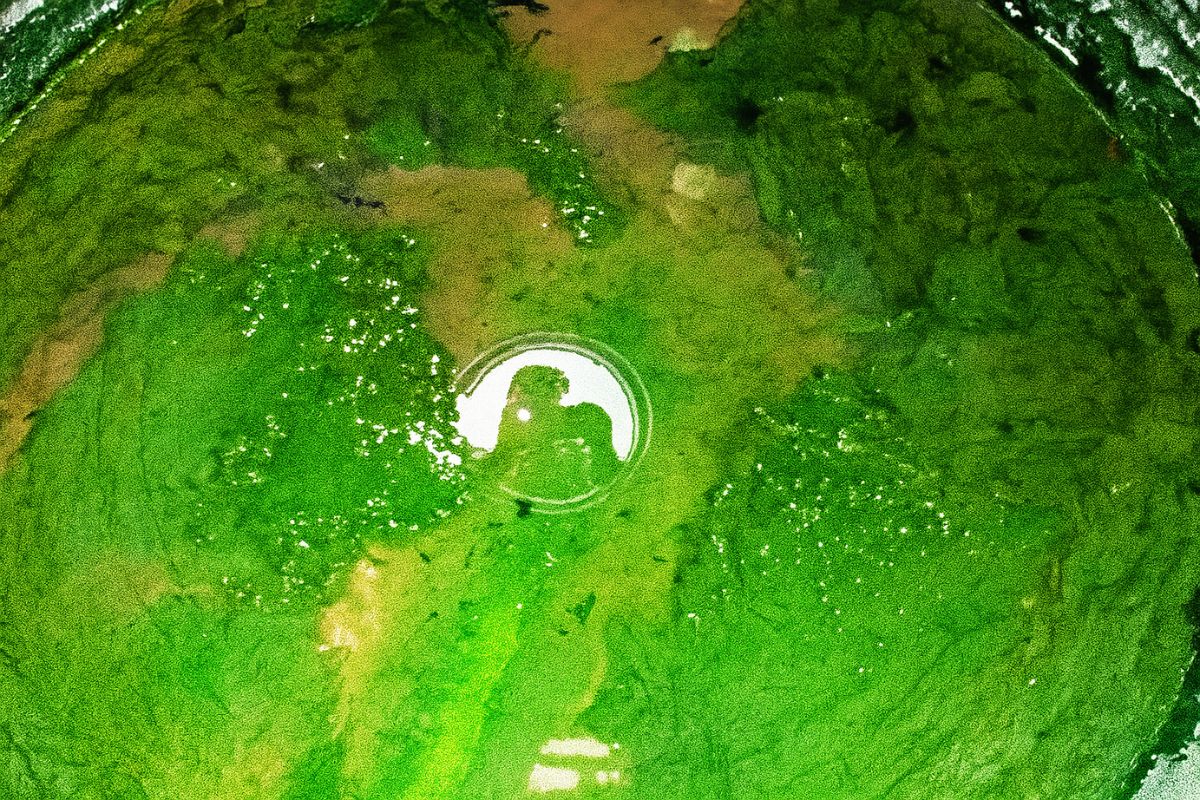
The Silent Threat: Algae thrives in sunlight-exposed tanks (especially translucent plastic ones), creating green or black slimy growths. Biofilm, a sticky matrix of microorganisms (including bacteria, fungi, and protozoa), can form on the internal surfaces of a neglected water tanks.
Health Impact: While many algae are harmless and even beneficial, certain species can produce toxins that are harmful.
- Exposure to harmful algal bloom (HAB) toxins can cause a range of health problems, including skin rashes, eye irritation, gastrointestinal illness, and neurological effects.
- Algae can alter the taste and odor of water, making it unpleasant to drink, leading to reduced water intake.
- Biofilms protect embedded pathogens from disinfectants, making them much harder to eliminate and continuously releasing bacteria into your water supply.
Why It’s So Insidious: Biofilm is often invisible or appears as a subtle slimy layer. The taste/odor changes from algae might be gradual, making you accustomed to them.
4. Chemical Contamination – The Unseen Toxins
The Threat: Beyond biological threats, chemical contamination is another serious risk. This often happens slowly over time as the tank itself or the sediment within it degrades.
Chemicals can enter your water tank in various ways:
- Leaching: From deteriorating tank materials (especially old metal tanks rusting, or plastic tanks degrading under UV light over time).
- Runoff: From agricultural pesticides or industrial pollutants entering rainwater harvesting systems or even groundwater.
- Improper Cleaning: Using non-food-grade chemicals or leaving residue from harsh cleaning agents.
- Cross-contamination: From nearby chemical storage.
Health Impact: This is a long-term threat. Chronic exposure to even low levels of chemicals like heavy metals (from rust), pesticides, or residues from non-food-grade cleaners can lead to:
- Kidney and liver damage.
- Neurological problems and developmental delays in children.
- Increased cancer risk over time.
Why it’s “Silent”: Chemical contaminants are often odorless, tasteless, and colorless at harmful concentrations. They can only be detected through specialized lab tests..
Risk 5: Mould & Fungi – The Respiratory Irritants
The Silent Threat: Dark, humid tank interiors provide an ideal environment for mould and fungal spores to thrive. These can be introduced through the air, dust, or even incoming water.
Health Impact: While less directly linked to waterborne diseases, exposure to mould spores through contaminated water (e.g., showering, brushing teeth) or even airborne spores from poorly sealed tanks can trigger:
- Allergic reactions like sneezing, rashes and coughing.
- Asthma attacks or exacerbation of respiratory conditions.
- Skin and eye irritations.
Why It’s So Insidious: Mould spores are microscopic and can affect your respiratory system without you ever seeing the growth inside the tank.
How to Prevent Contamination: Solutions and Maintenance Strategies
Protecting your water supply is crucial for your family’s health and the longevity of your water system.
Don’t Wait for Symptoms: Signs Your Tank Needs Cleaning
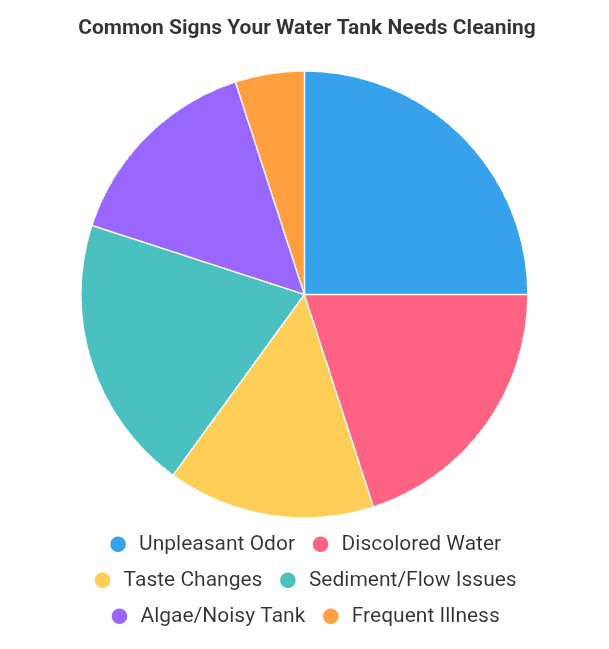
A water tank can become a health hazard if it’s not properly maintained, leading to contaminated water. Knowing when to clean your water tank is crucial for maintaining optimal water quality and prolonging the life of your system. Pay attention to these indicators that suggest it’s time for a cleaning:
- Strange Odors or Taste: A musty, earthy, or metallic smell or taste in your water can be a strong indicator of bacterial or algae growth within the tank.
- Discolored Water: Brown, yellow, or cloudy water suggests sediment buildup, rust, or other contaminants.
- Visible Debris: You can see sediment, dirt, or slimy particles in your water or accumulating in your taps.
- Unexplained Illness: If your family experiences frequent gastrointestinal issues or skin irritations, the water tank could be the culprit.
- Pest Infestations: Pests like mosquitoes, rodents, or insects near the tank can indicate leaks or access points for contamination.
These issues can indicate bacterial growth, chemical leaching, or the presence of harmful contaminants.
At least once a month, visually inspect your tank. Look for signs of algae, debris, or damage to the tank structure and its seals.
Regular Water Tank Cleaning and Maintenance
Protecting your family from these risks is straightforward with a clear maintenance plan. The single most effective way to eliminate the health risks of dirty water tanks is through routine cleaning.
DIY Cleaning
For smaller, easily accessible tanks, you can perform a basic clean yourself.
- Drain: Empty the tank completely.
- Scrub: Use a stiff brush and clean water to scrub all internal surfaces.
- Disinfect: Use a food-grade disinfectant (like a diluted chlorine solution) and apply it to all surfaces. Let it sit for the recommended time.
- Rinse: Rinse the tank thoroughly several times until no trace of the disinfectant remains.
- Refill: Fill the tank with a fresh, clean water supply.
For most households, cleaning your water tank annually is a good general guideline. However, tanks in high-sediment areas, those with irregular water usage, or tanks showing signs of contamination might require cleaning every 6-12 months.
When to Call a Professional: The Benefits of Expert Cleaning
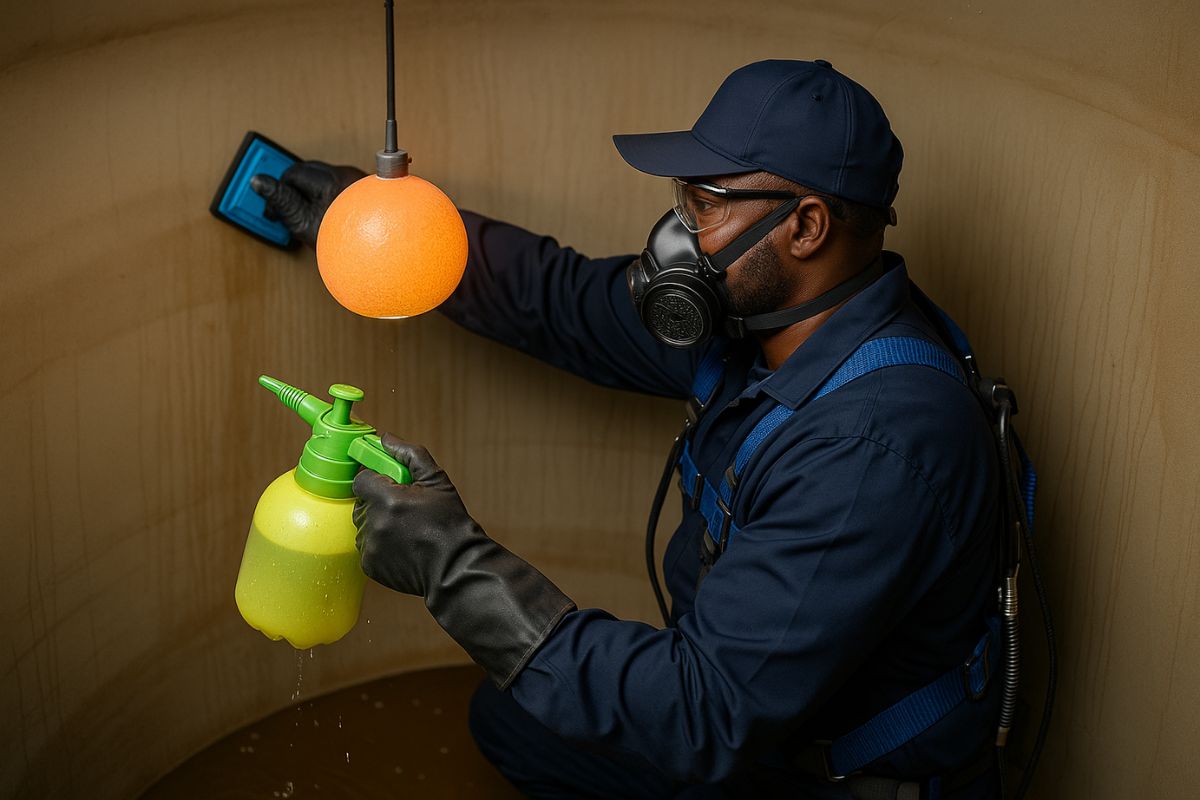
While DIY water tank cleaning can be a viable option for simple tasks, professional services are generally recommended for thoroughness, safety, and peace of mind.
Here’s why professional cleaning is often preferred:
- Thoroughness: They use high-pressure jets and specialized equipment to remove stubborn biofilm and sediment that scrubbing can’t.
- Safety: They are trained to work in confined spaces and use the correct, food-grade disinfectants safely.
- Efficiency: They complete the job quickly and correctly, ensuring your water supply is not disrupted for long.
The choice between DIY and professional water tank cleaning depends on your specific needs and circumstances.
It’s a good practice to have your water professionally tested every 1-2 years to check for bacteria, heavy metals, and other contaminants.
Water Treatment Methods
For an added layer of safety, consider treating the water that leaves your tank.
- Filtration: Installing a reliable point-of-use or whole-house filtration system can remove sediment, many bacteria, and some chemical contaminants before the water reaches your tap.
- Disinfection: Methods like boiling water before drinking, using chlorine tablets as directed, or installing a UV disinfection system can effectively kill any remaining bacteria, viruses, and parasites.
Choose the Right Tank and Ensure Proper Installation
Prevention starts with the tank itself.
- Use Food-Grade Materials: When installing a new tank, ensure it is made from food-grade, UV-stabilized plastic (like polyethylene) that won’t leach chemicals into the water.
- Professional Installation: A proper installation minimizes the risk of leaks and external contamination. The lid should be secure and all entry points should be properly screened.

Reclaim Your Water: Schedule a Professional Clean and Protect Your Family’s Health Today
Your water tank is a vital part of your daily life, but it requires your attention to remain safe. The health risks of dirty water tanks—ranging from severe waterborne diseases and chemical contamination to skin problems and pest breeding—are too significant to ignore. By embracing a proactive approach that includes regular professional cleaning, proper maintenance, and vigilant monitoring, you can eliminate these threats.
Don’t let silent threats compromise your water! If your water tank hasn’t been professionally cleaned in the last 6-12 months, or if you have any concerns, it’s time to act.
Contact KiTank Cleaning Services today for a thorough assessment and professional cleaning service across Kenya. Protect your loved ones from the unseen dangers lurking in your tank!
