
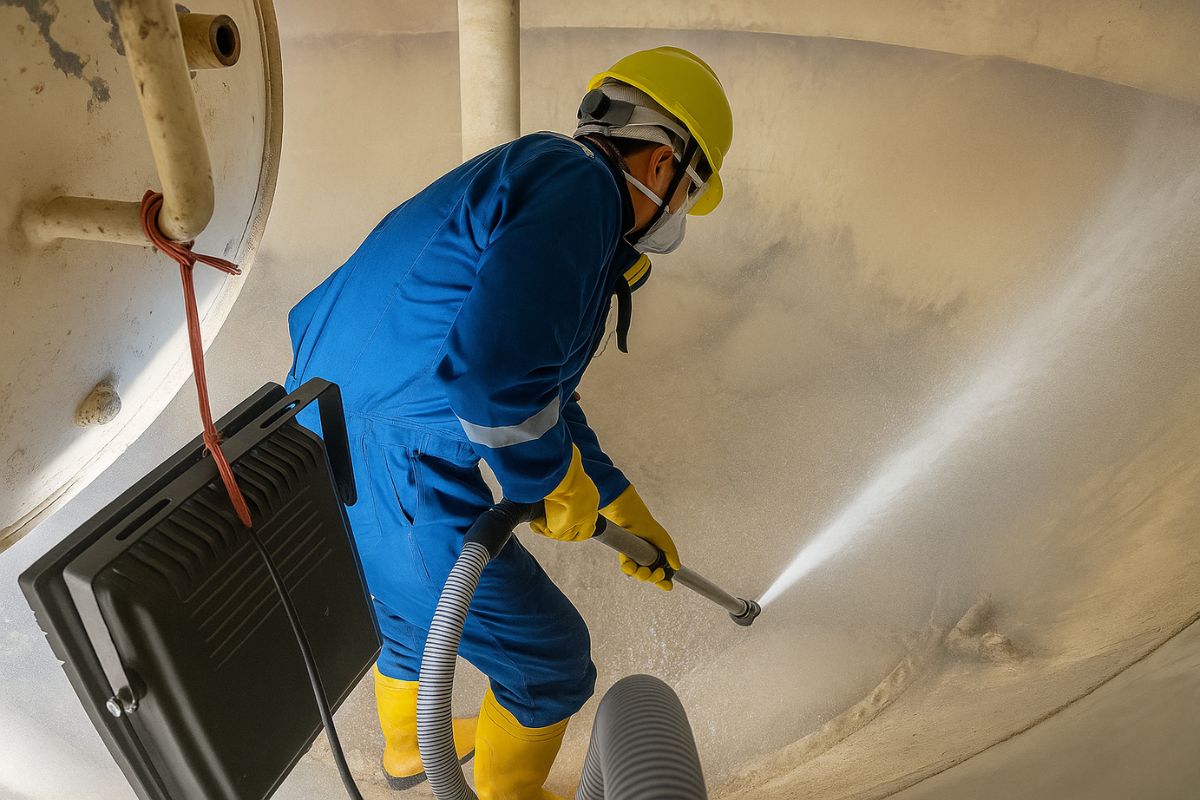
Your water tank is the silent guardian of your family’s health and your business’s operations, holding the water you use daily for drinking, cooking, and cleaning. But are you sure the water inside is as clean as it should be? A dirty water tank can harbor bacteria and contaminants, making it crucial to know how often to clean it.
The right cleaning schedule is a careful balance of expert recommendations and specific factors unique to your situation in Kenya. Waiting for cloudy water or a strange smell is waiting too long; by then, the risk is already present.
This guide will demystify water tank cleaning schedules in Kenya, helping you understand the optimal frequency for your tank, the signs that scream “clean me now!”, and why regular maintenance is non-negotiable for health and peace of mind.
Why Water Tank Cleaning Matters
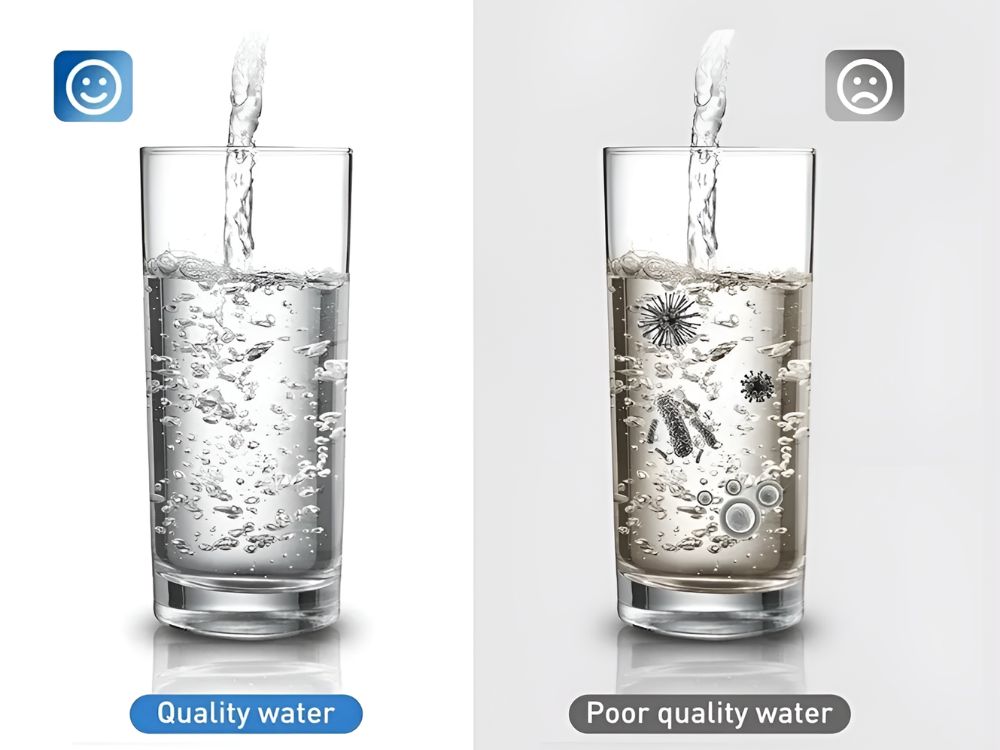
Ignoring your water tank’s cleanliness is not a saving; it’s a significant risk with costly and severe consequences. The dangers of a dirty tank are both a health and financial concern.
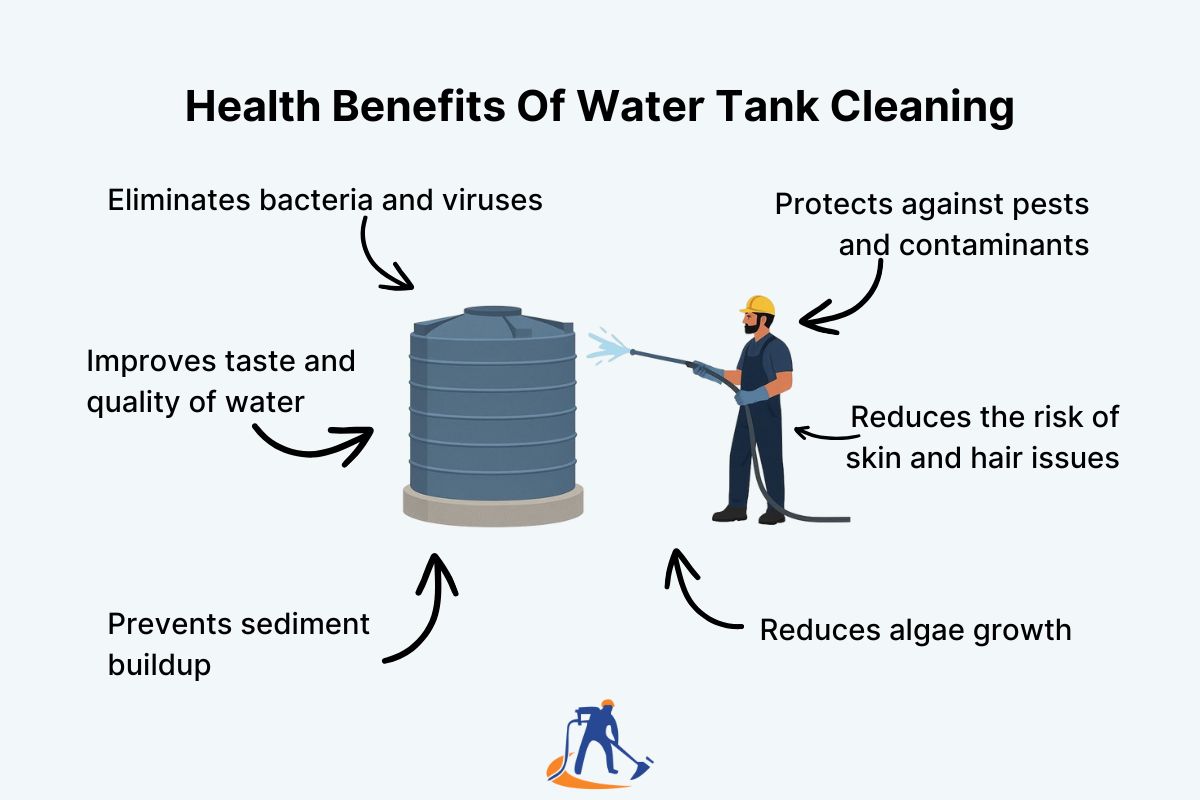
- Severe Health Risks: A neglected tank is an ideal breeding ground for harmful bacteria, viruses, and parasites. This contamination can lead to devastating waterborne diseases like Cholera, Typhoid, Dysentery, and other gastrointestinal illnesses that can be especially dangerous for children and the elderly.
- Poor Water Quality: Sludge, algae, and biofilm will ruin the taste and smell of your water, making it unpleasant for drinking, cooking, and even bathing.
- Clogged Plumbing & Damaged Appliances: Sediment and rust don’t just stay in the tank. They travel through your plumbing, clogging pipes, taps, and showerheads. This buildup can damage expensive appliances like water heaters and washing machines, leading to hefty repair and replacement bills.
- Tank Degradation & Costly Repairs: Corrosion and unchecked algae growth can cause permanent structural damage to the tank itself, resulting in leaks and the need for a premature, costly replacement
How Often Should You Clean Your Water Tank in Kenya?
In Kenya, water tanks should typically be cleaned and disinfected every 6-12 months for domestic use, and every 3-6 months for commercial or industrial tanks. Factors like water source, environmental conditions, and usage patterns can influence the optimal cleaning frequency. For thorough cleaning and disinfection, especially for large or complex tanks, consider hiring KiTank Cleaning, for professional water tank cleaning services.
General Water Tank Cleaning Frequency in Kenya
While your specific situation is unique, there are established baseline recommendations for how often to clean a water tank. These serve as an excellent starting point for a reliable water tank maintenance schedule:
For Domestic Water Tanks (Homes in Kenya)
The standard recommendation is a professional cleaning every 6 to 12 months. Even tanks using treated municipal water contain sediment, dust, and airborne particles that accumulates over time. An annual or bi-annual cleaning is a crucial preventative measure for safeguarding your family’s health.
For Commercial or Industrial Tanks
For hotels, hospitals, schools, and food processing plants, the recommended commercial tank cleaning schedule is every 3 to 6 months. This frequency helps maintain water quality and hygiene in these settings.
The reasons for this increased frequency include:
- Higher Usage: Increased water turnover (more frequent use) means more potential contaminants.
- Stricter Regulations: Health and safety standards are significantly higher for commercial entities.
- Operational Integrity: Contaminated water can halt business, damage equipment, and lead to significant financial and reputational losses
Rainwater Harvesting Tanks
The recommended rainwater tank cleaning frequency is at least every 6 months, especially for tanks used for drinking water. The best time to schedule a clean is after a heavy rainy season to remove accumulated debris like leaves, dust, and bird droppings.
While rainwater is a natural resource, it readily collects airborne and roof-based contaminants. This debris settles in your tank, creating a breeding ground for harmful algae and bacteria that can make the water unsafe. Therefore, regular cleaning of your roofs and gutters is essential to ensure the harvested rainwater remains safe for use.
Factors Influencing Your Tank’s Cleaning Frequency
The general guidelines are a solid foundation, but several local and environmental factors can significantly alter your ideal cleaning schedule. Paying attention to these variables is key to maintaining optimal water safety.
A. Water Source:
- Municipal Water: Tanks supplied with treated municipal water may only need cleaning once a year.
- Borehole Water: A common source in Kenya. These sources often have minerals, sand, and silt buildup, necessitating cleaning every 1-2 years depending on usage.
- Rainwater: Tanks collecting rainwater should be cleaned every 6 months or less to prevent clogs and microbial growth.
- Hard water: Can lead to sediment buildup, requiring more frequent cleaning.
B. Tank Material & Design:
- Plastic/Polyethylene Tanks: These are the most common tanks in Kenya. If your tank is light-coloured or translucent, it allows sunlight in, promoting algae growth. Opaque (black or dark green) tanks are better, but translucent tanks may need more frequent cleaning.
- Concrete Tanks (especially underground): Can be prone to cracks (allowing ingress), and their porous nature can harbor biofilm if not properly sealed/lined, sometimes requiring more attention.
- Durable Materials (e.g., Stainless Steel, Fiberglass): Tanks made from these materials may require less frequent cleaning compared to those prone to rust or degradation.
- Age: Older tanks, regardless of material, may accumulate more sediment and debris, requiring more frequent cleaning.
- Design: Tanks with poor ventilation or inadequate sealing are more vulnerable to external contaminants.
C. Usage and Capacity:
- High-usage tanks: Tanks serving large households or commercial properties should be cleaned every 6 months to maintain water quality and prevent sediment buildup.
- Low Usage/Stagnant Water: Smaller households may only need cleaning once a year. Water left stagnant for long periods is a prime breeding ground for bacteria, algae, and can develop unpleasant odours and tastes, necessitating more frequent cleaning.
D. Environmental Factors:
- Hot & Humid Climates: Warm temperatures and high humidity accelerate microbial growth (bacteria, fungi, algae), increasing the need for regular cleaning cycle (every 4-6 months).
- Dust and Pollution: Tanks located in dusty or polluted areas may require more frequent cleaning to remove debris and contaminants.
- Heavy Rainfall: Areas with heavy rainfall can lead to more debris entering the tank, suggesting a cleaning every 6 months.
A tank with a loose lid or no filter at the inlet is an open invitation for leaves, insects, and rodents. A secure, well-fitting lid and functional filters are your first line of defense.
Signs it’s time to clean your water tank
Regardless of your scheduled frequency, your water tank will give clear signals when it requires an emergency cleaning. If you observe any of the following, act immediately to safeguard your water supply:
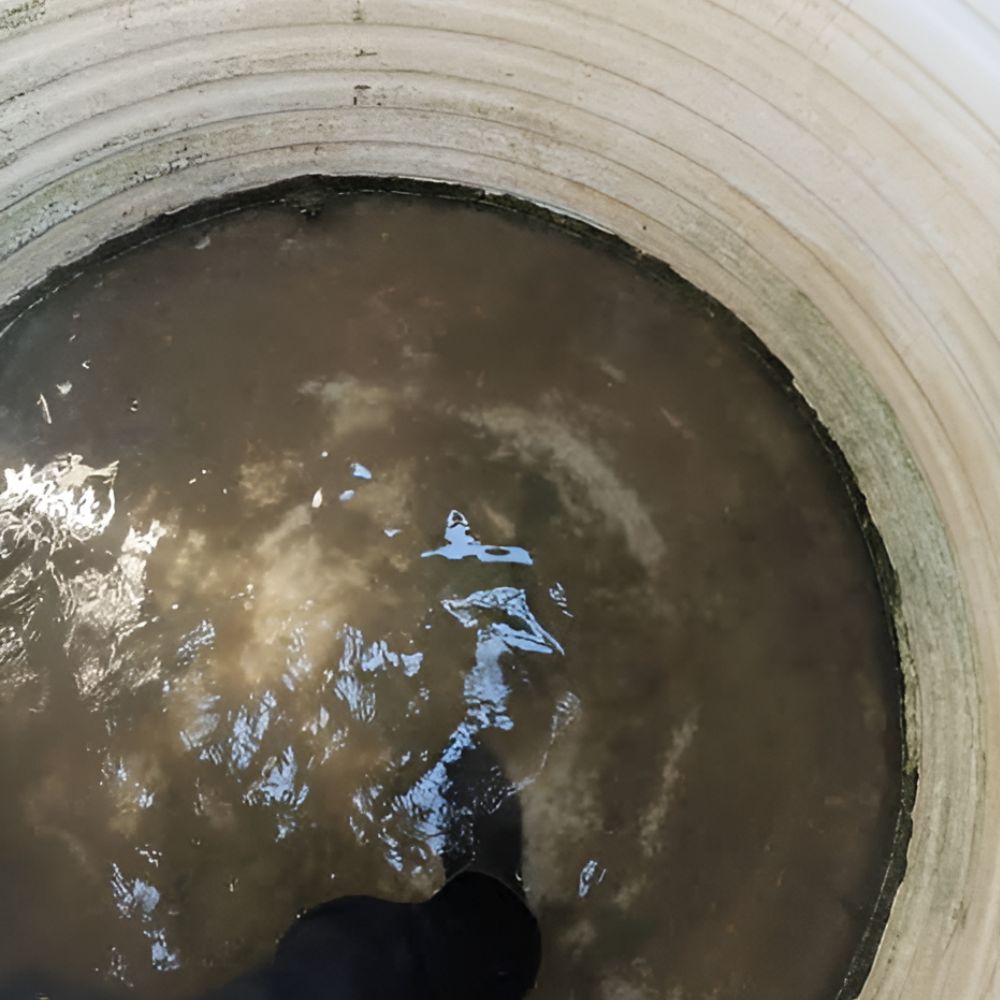
- Discolored Water – Brown or cloudy water indicates sediment buildup and potential contamination.
- Unpleasant Odour or Taste: A bad smell from your water tank (earthy, musty, metallic, or “rotten egg”) indicates significant microbial activity or chemical contamination.
- Visible Algae/Slime: Green or black growth or sediment buildup on the tank walls or bottom, are clear signs of contamination and necessitates cleaning.
Seeing any of these signs? This is an emergency. Click here for an urgent tank assessment.
How to Clean Your Water Tank: A Basic Overview
While we strongly recommend hiring a certified professional for safety and thoroughness, understanding the process is valuable. A professional tank cleaning ensures all contaminants are removed and the system is properly disinfected.
The Cleaning and Disinfection Process
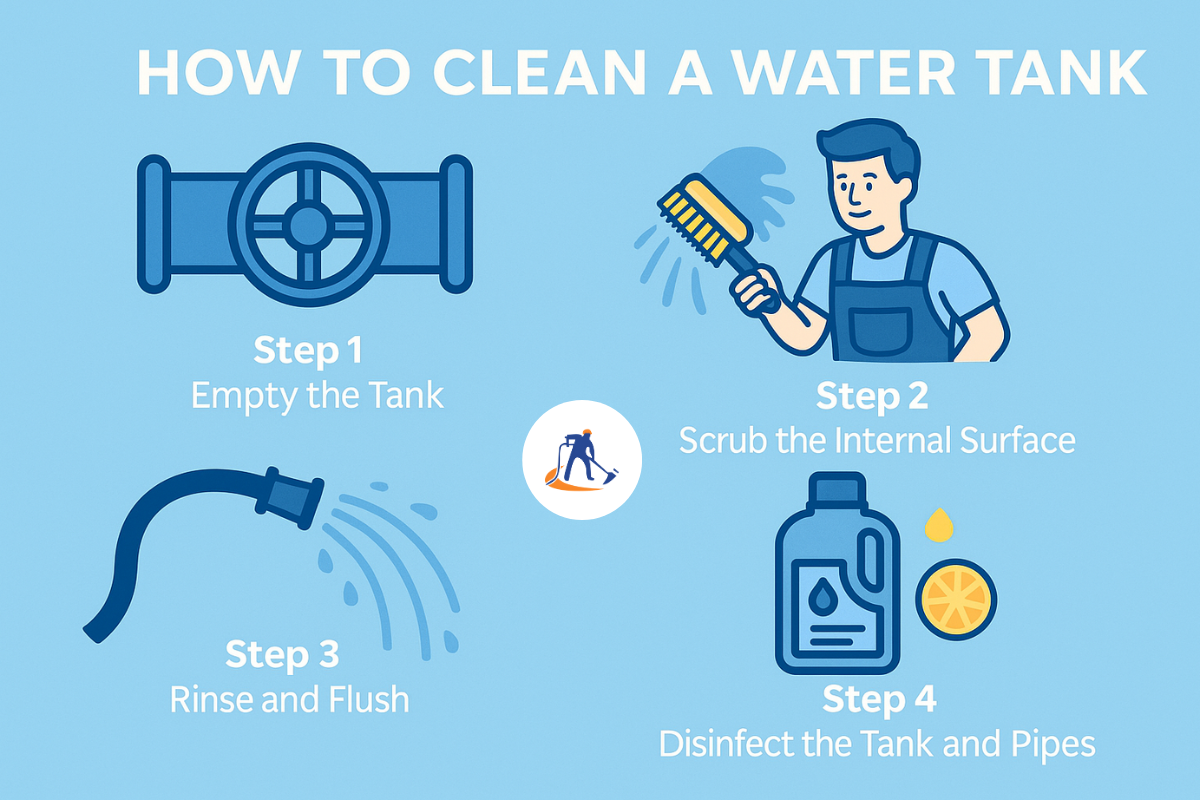
⚠️ Safety First: When cleaning your water tank at home, prioritize safety by ensuring adequate ventilation, wearing appropriate personal protective equipment, and taking precautions against slips and falls. Always shut off the water supply and be mindful of the tank’s weight and potential hazards when working with cleaning solutions.
- Draining and Inspection: Completely drain the tank and inspect it for signs of contamination, damage, or leaks.
- Scrubbing: Use a safe cleaning solution to scrub the interior surfaces of the tank.
- Disinfection: Use a suitable disinfectant to eliminate bacteria and other pathogens.
- Rinsing and Refilling: Thoroughly rinse the tank to remove any cleaning solution and debris and refill with fresh water.
In Kenya, choosing a professional service like KiTank Cleaning ensures a thorough clean that both prolongs your tank’s lifespan and secures your water’s safety. This choice delivers efficiency, expertise, and most importantly, peace of mind.
Pro Tips for Maintaining Water Purity
- Inspect Your Lid: Ensure your tank lid is always secure and not damaged to prevent contamination.
- Install Inlet Filters: A simple screen or filter over the inlet pipe can catch leaves and larger debris before they enter the tank.
- Use a First-Flush Diverter: For rainwater systems, this device prevents the initial, most contaminated runoff from entering your tank.
- Choose an Opaque Tank: If buying a new plastic tank, always choose a black or dark-coloured one to block sunlight and inhibit algae growth
Regular inspection and monitoring of water quality can help determine the appropriate cleaning frequency for your specific situation.
A Proactive Approach to Clean Water
Regular water tank cleaning is not an expense—it’s a critical investment in your health, property, and peace of mind. The ideal water tank cleaning frequency in Kenya is a dynamic schedule based on your water source, tank type, usage, and environment.
Don’t wait for warning signs. By adopting a proactive and informed approach, you can ensure the water your family or business relies on is always clean, safe, and fresh.
Still unsure about your tank’s needs or seeing signs that can’t wait? Don’t leave your water purity to chance! Contact KiTank Cleaning Services today to schedule a professional assessment and a tailored cleaning schedule for your home or business anywhere in Kenya.
