
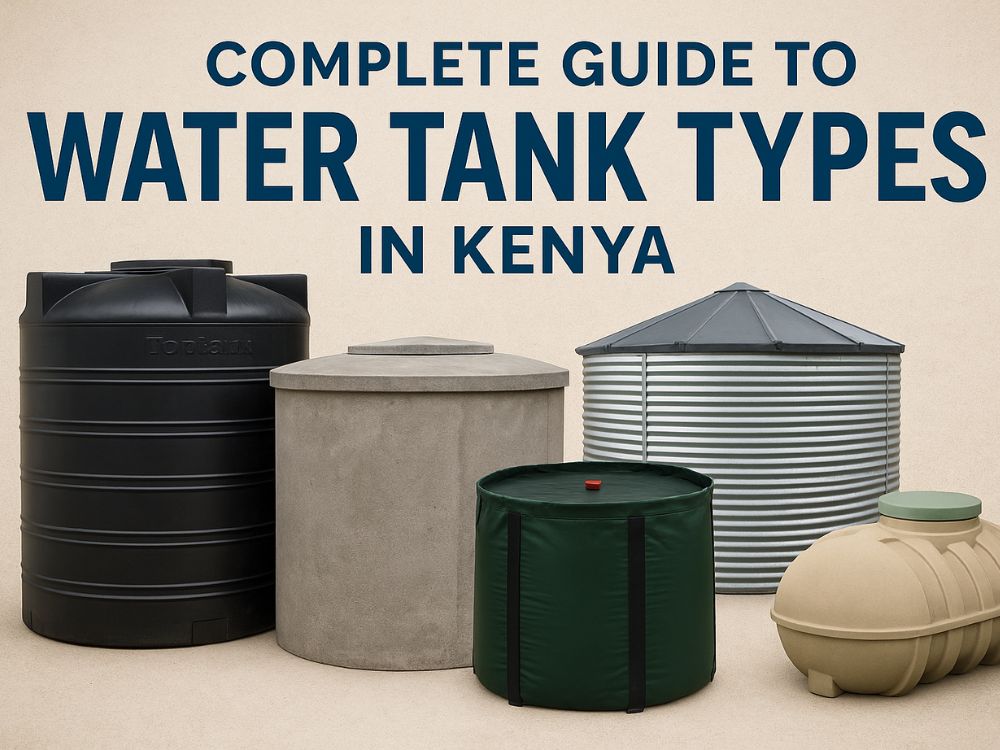
Water tanks are a familiar sight across Kenya, from the bustling urban sprawl of Nairobi to serene rural homesteads. They offer essential water security, a vital buffer against municipal supply interruptions, and a lifeline where direct connections are scarce. But while having a tank addresses availability, a crucial question often remains: is the water inside your tank truly serving you well?
Choosing the right type of water tank for your Kenyan home or business is a significant decision. However, equally critical is the commitment to its proper maintenance, particularly regular, professional cleaning. This guide will navigate you through the various materials and configurations, helping you make an informed choice. More importantly, it will illuminate why expert cleaning isn’t just an add-on, but a non-negotiable practice for ensuring the health and safety of your family, employees, or customers.
Water tanks come in various types, including above-ground, underground, and overhead, with materials like polyethylene, fiberglass, steel, and concrete. Each type offers unique advantages in terms of durability, cost, and suitability for different locations and applications. Here’s a more detailed look at some common water tank types in Kenya:
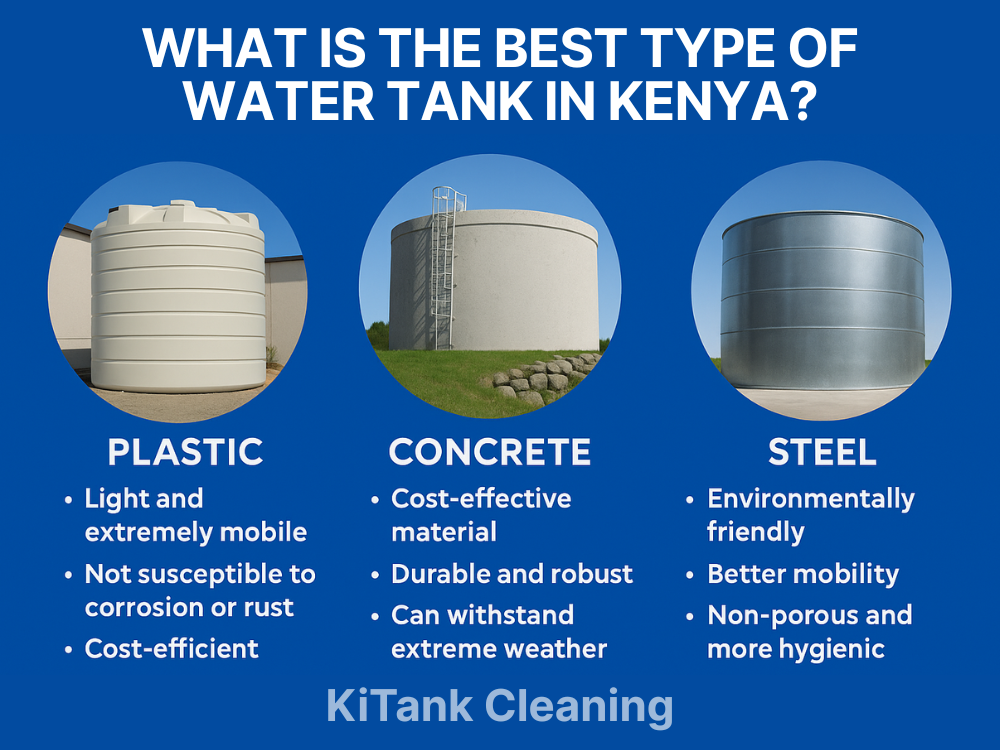
Types of Water Tanks in Kenya by Material
The material of your water tank significantly impacts its durability, cost, maintenance needs, and ultimately, the quality of the water it stores. Let’s explore the most common options in Kenya.
Plastic (Polyethylene) Water Tanks
These tanks are made from food-grade polyethylene, a type of plastic. They are typically cylindrical or rectangular and come in various colours. You’ll often see well-known manufacturers of plastic tanks in Kenya like Roto or Kentank.
Pros:
- Lightweight: Easy to transport and install.
- Affordable: Generally the most cost-effective option upfront. Plastic water tank prices in Kenya are often a key deciding factor.
- Lightweight: Easier to transport and install with minimal specialized equipment.
- Resistant to Corrosion: They don’t rust, a significant advantage over some metal alternatives.
- Variety of Colours: Darker colours (black or dark blue) are recommended as they reduce algae growth by blocking sunlight.
Cons:
- UV Degradation: If not adequately UV-stabilized, exposure to Kenya’s strong sun can make the plastic brittle over time, shortening the plastic water tank lifespan.
- Algae Growth: Susceptible to algae growth if the material is light-coloured/transparent or if the lid isn’t secure and light penetrates.
- Cracking: Can crack under extreme physical stress or if improperly installed on an uneven surface.
Ideal Uses:
Predominantly for residential water storage, small-scale agricultural irrigation, and some light commercial applications.
Key Cleaning Considerations:
While the internal surface of a plastic tank might appear smooth, it can easily harbour biofilm – a slimy, tenacious layer of bacteria. Algae and other microorganisms can also thrive, especially if the tank isn’t opaque or if the lid isn’t perfectly sealed.
Professional tank cleaning involves careful yet thorough scrubbing to dislodge biofilm without damaging the plastic, followed by effective disinfection. This ensures harmful microorganisms are eliminated, safeguarding your water supply.
Learn more about our professional water tank tank cleaning services.
Concrete (Masonry/Cement) Water Tanks
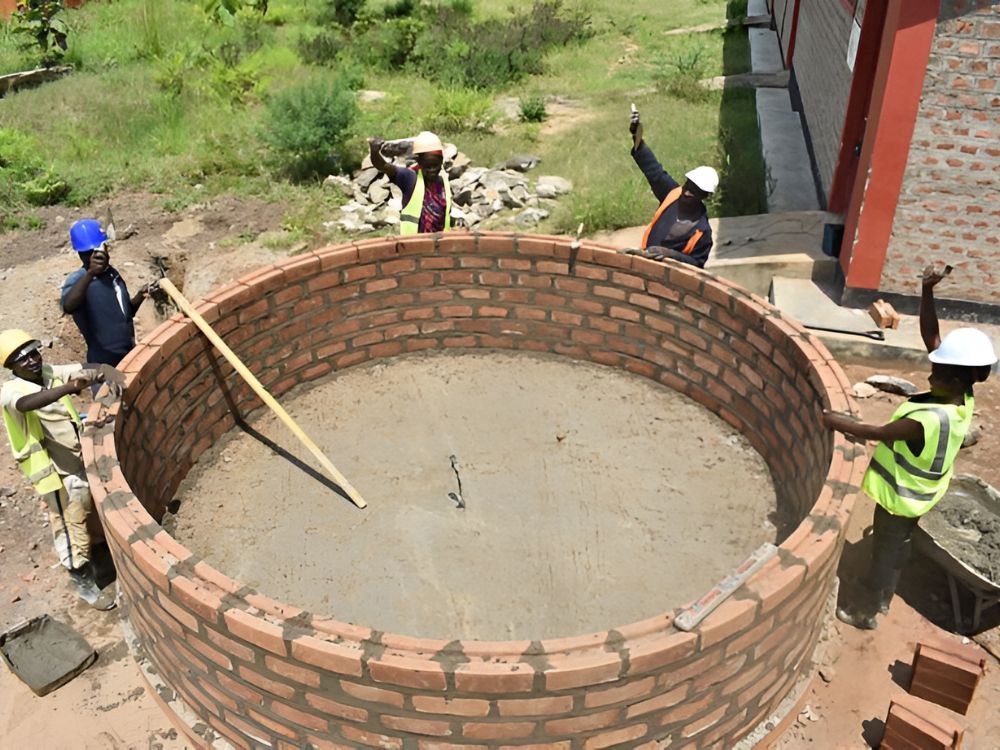
Constructed from reinforced concrete, these tanks are robust structures that can be built above ground, partially buried, or fully underground. They are often custom-built to meet specific large-capacity requirements.
Pros:
- Longevity: Can last for many decades if well-constructed and properly maintained.
- Thermal Insulation: Naturally keeps water relatively cool, a boon in Kenya’s warm climate.
- Large Capacities: Ideal for storing vast quantities of water for communities, large institutions, or commercial enterprises.
- Structural Integration: Can sometimes be incorporated into a building’s foundation or structure.
Cons:
- High Initial Cost: The construction process is more labour-intensive and expensive compared to pre-fabricated tanks.
- Weight: Requires a very solid, stable foundation and is not movable once built.
- Cracking Potential: Poor construction quality or significant ground movement can lead to cracks and leaks.
- Lime Leaching & pH Impact: New concrete tanks can leach lime into the water, increasing its pH. This can affect the taste and potentially lead to scaling in pipes if not managed during the initial curing and usage phase.
Ideal Uses:
Large residential estates, institutions (schools, hospitals), commercial buildings, and substantial agricultural water storage.
Key Cleaning Considerations:
Concrete water tank cleaning in Kenya presents unique challenges. The rough, porous internal surfaces are prone to harbouring mold, mildew, and bacteria, requiring specialized abrasive tools and vigorous scrubbing techniques. Professionals must also address potential efflorescence (salt deposits). After cleaning and disinfection, proper sealing might be recommended for older tanks to prevent recurring contamination and manage issues like root intrusion or seepage if cracks are present, especially in underground concrete tanks.
Steel Water Tanks (Galvanized & Stainless Steel)
Fabricated from steel panels that are either bolted or welded together. Two main types exist: galvanized steel tanks, which are coated with zinc to prevent rust, and stainless steel tanks, which offer superior natural corrosion resistance.
Pros:
- High Durability: Extremely strong and can withstand significant physical stress.
- Algae Resistance: Being opaque, steel tanks prevent light entry, effectively inhibiting algae growth.
- Large Capacities: Suitable for substantial water storage needs.
- Superior Hygiene (Stainless Steel): Stainless steel water tank benefits include exceptional hygiene due to its non-porous, easily cleanable surface, and excellent longevity.
Cons:
- Corrosion Risk (Galvanized): If the zinc coating on galvanized steel is damaged or wears thin over time, it can corrode, leading to rust in the water tank.
- Cost: Generally more expensive than plastic, with stainless steel being a premium investment.
- Heat Transfer: Can heat water more readily if uninsulated and exposed to direct sun, though this effect varies.
Ideal Uses:
Industrial applications, large-scale farming operations, fire suppression systems, and premium residential or commercial installations where hygiene and durability are paramount.
Key Cleaning Considerations:
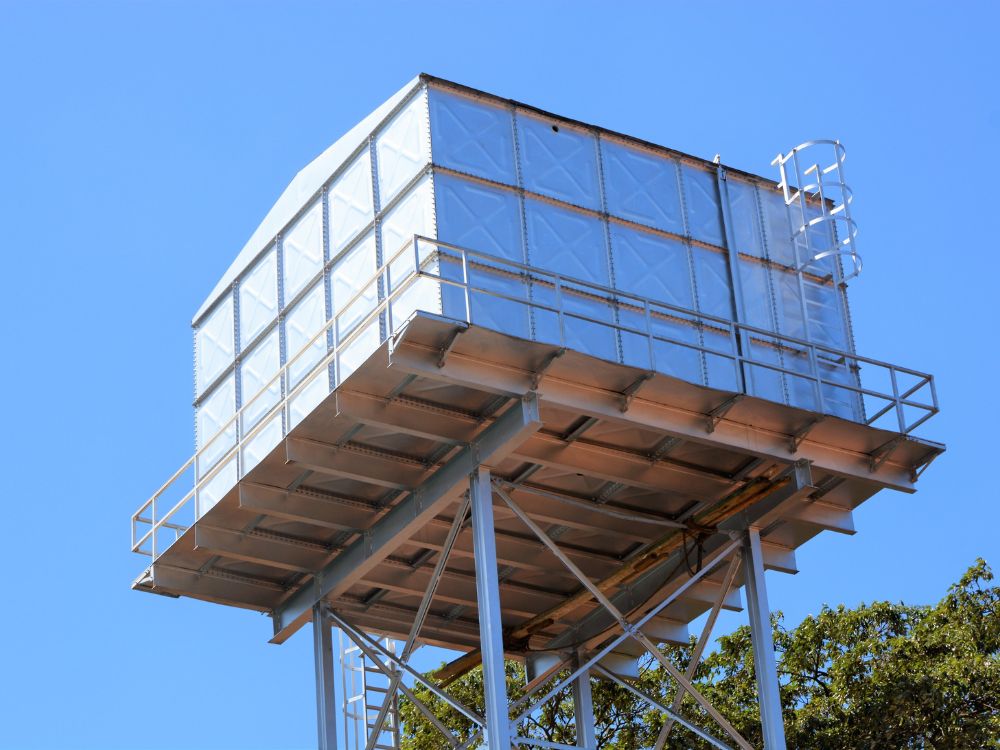
For steel water tank maintenance in Kenya, especially galvanized tank cleaning, a primary focus is identifying and managing any signs of rust. Professional cleaning involves meticulous scrubbing using methods that do not damage the galvanized coating. Abrasive cleaners that could compromise the steel’s integrity must be strictly avoided. For stainless steel tanks, while inherently easier to clean, ensuring all welds and joints are free of contaminants remains crucial. An effective rust in water tank solution involves not just removing existing rust but also advising on preventative measures to prolong the tank’s life.
Water Tank Types By Location
Beyond the construction material, the placement of your water tank—whether elevated or buried—significantly affects its operation, ease of maintenance, and the specific demands of its cleaning.
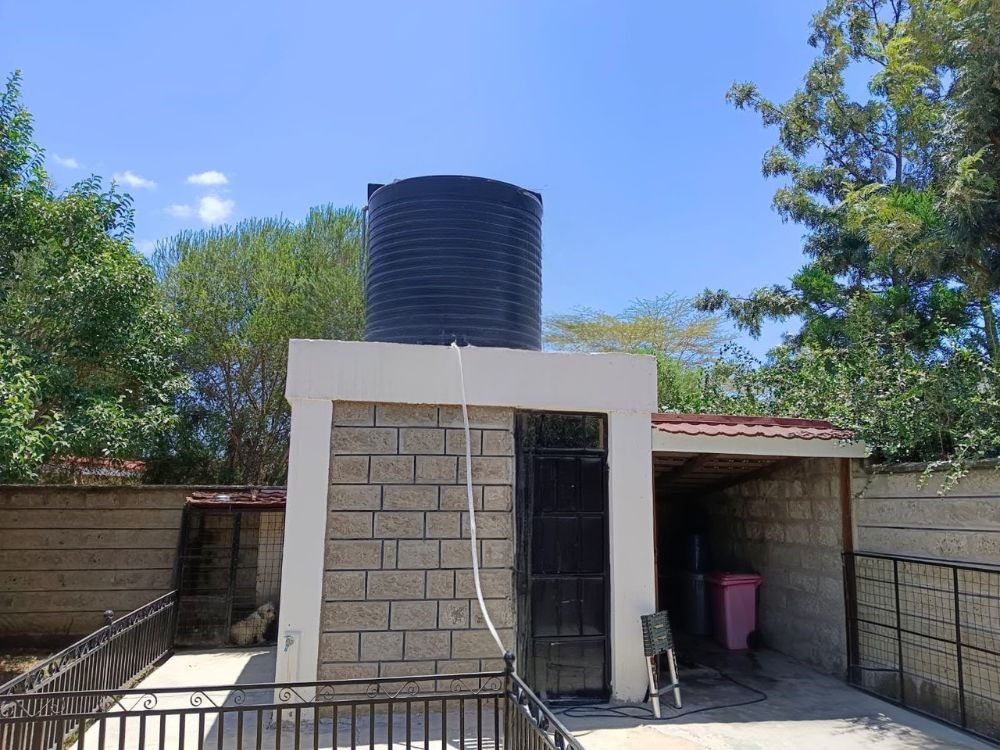
Overhead (Elevated) Water Tanks
What they are & why they’re used:
These tanks are positioned on raised platforms, custom-built water tank stands, or directly on rooftops. Their primary advantage is providing gravity-fed water pressure to taps below, often reducing the need for or reliance on pumps.
Advantages:
- Gravity Feed: Natural water pressure.
- Easy Visual Inspection: External leaks or damage are generally easier to spot
Disadvantages:
- Structural Needs: Requires a strong, stable support structure capable of bearing the weight of a full tank.
- Sun Exposure: Plastic tanks, in particular, can be more exposed to direct sunlight, potentially increasing water temperature and accelerating UV degradation unless adequately shaded or UV-stabilized.
- Aesthetics: Can be visually obtrusive for some properties.
Impact on Cleaning:
Overhead water tank cleaning in Kenya demands stringent safety protocols due to working at heights. Professionals utilize secure ladders, scaffolding, or other elevated work platforms. They also manage water discharge carefully to prevent damage or hazards below. Complete drainage and thorough cleaning of all internal surfaces, even in an elevated position, are essential for effective decontamination.
Underground (Buried) Water Tanks

What they are & why they’re used:
Installed below ground level, these tanks are chosen for their space-saving attributes and ability to maintain cooler water temperatures.
Advantages:
- Space Efficiency: Frees up valuable surface area.
- Cooler Water: The surrounding earth insulates the tank, maintaining a more stable and cooler water temperature.
- Protection: Shielded from UV rays, extreme weather conditions, and accidental damage.
Disadvantages:
- Access Difficulties: Inspection, maintenance, and cleaning are significantly more challenging.
- Groundwater Contamination Risk: If not perfectly sealed or if cracks develop, there’s a risk of groundwater seeping in, or stored water leaking out. Submerged water tank problems can also include root intrusion from nearby plants or structural damage from soil pressure.
Impact on Cleaning:
This is where professional expertise becomes absolutely critical. Underground water tank cleaning in Kenya frequently involves confined space water tank cleaning. This is a specialized and potentially hazardous operation that requires:
- Certified Confined Space Entry Training: Personnel must be trained and certified to work safely in such environments.
- Atmospheric Monitoring & Ventilation Equipment: To ensure breathable air and detect any hazardous gases.
- Powerful Submersible Pumps: For complete removal of water, sediment, and sludge.
- Specialized Lighting & Cleaning Tools: To effectively reach and clean all internal corners and surfaces. Attempting DIY cleaning for underground tanks is extremely dangerous and often ineffective, posing severe health and safety risks.
What Is The Best Type Of Water Tank for Your Kenyan Property?
Selecting the ideal water tank isn’t about finding a one-size-fits-all solution; it’s about matching the tank’s characteristics to your specific needs and circumstances in Kenya.
Key Decision Factors to Consider When Choosing a Water Tank:
Budget
Consider both the upfront purchase/installation cost and potential long-term maintenance expenses. Plastic tanks are cheaper initially, but durable options like concrete or stainless steel might offer better value over decades.
Plastic tanks are generally low-cost, with prices starting at Ksh 2,300 for small capacities, while steel and GRP are higher, ranging from Ksh 50,000 to over Ksh 284,700 for large capacities
Capacity Needs
How much water do you need to store? For a household, estimate based on the number of occupants and daily usage (drinking, cooking, bathing, sanitation). For businesses, factor in operational requirements, employee numbers, and any specific processes. Consider peak demand and desired buffer period.
For households, 500L to 5,000L is typical, while farms or commercial entities may require 10,000L or more.
Space & Location
Do you have ample ground space for a large concrete or plastic tank? Is a rooftop or elevated stand a more viable option for an overhead tank? Or is an underground tank necessary due to space constraints or aesthetic preferences?
Water Source
The source of your water can influence tank choice and cleaning frequency. Borehole water in Kenya, for instance, might contain more sediment or minerals than municipal water, potentially requiring more robust filtration and more frequent tank desludging.
Durability & Lifespan Expectations
How long do you expect the tank to last? Steel and well-built concrete tanks offer the longest lifespans, while plastic tanks may need replacement sooner, especially if exposed to harsh conditions.
Maintenance Commitment
Are you prepared for regular inspection and upkeep, or do you prefer a lower-maintenance option and intend to rely on professional services for all cleaning and checks?
Tailoring to Your Needs:
- Residential: Many Kenyan homeowners opt for plastic (polyethylene) tanks due to their affordability and ease of installation for typical domestic water storage. Smaller concrete tanks are also popular for their durability and cooling properties, especially if built during home construction.
- Commercial/Institutional: Businesses (like hotels, factories, food processing units) and institutions (hospitals, schools) usually have more demanding requirements. These include larger capacities, enhanced durability, and stricter hygiene standards. This often leads to choices like large concrete tanks for volume, or stainless steel tanks where hygiene is paramount (e.g., food or pharmaceutical industries). The best water tank for a business in Kenya will always depend on these specific operational demands and any regulatory compliance for water quality
Quick Comparison Table of Water Tank Types and Key Features
| Feature | Plastic (Polyethylene) | Concrete (Masonry) | Steel (Galvanized/Stainless) |
|---|---|---|---|
| Initial Cost | Low | High | Medium to Very High (Stainless) |
| Durability | Moderate | Very High | High to Very High |
| Installation | Above ground, simple | Above ground, partially/fully underground, professional | Ground/raised, complex |
| Weight | Light | Very Heavy | Heavy |
| Algae Risk | Moderate (if dark) | Low-Moderate | Low |
| Maintenance | Regular cleaning needed | Specialized cleaning | Rust prevention (Galv) |
| Best For | General residential, budget-conscious | Large capacity needs, long-term, cooling | Industrial, premium hygiene, high durability |
The Non-Negotiable: Why Professional Water Tank Cleaning is Vital
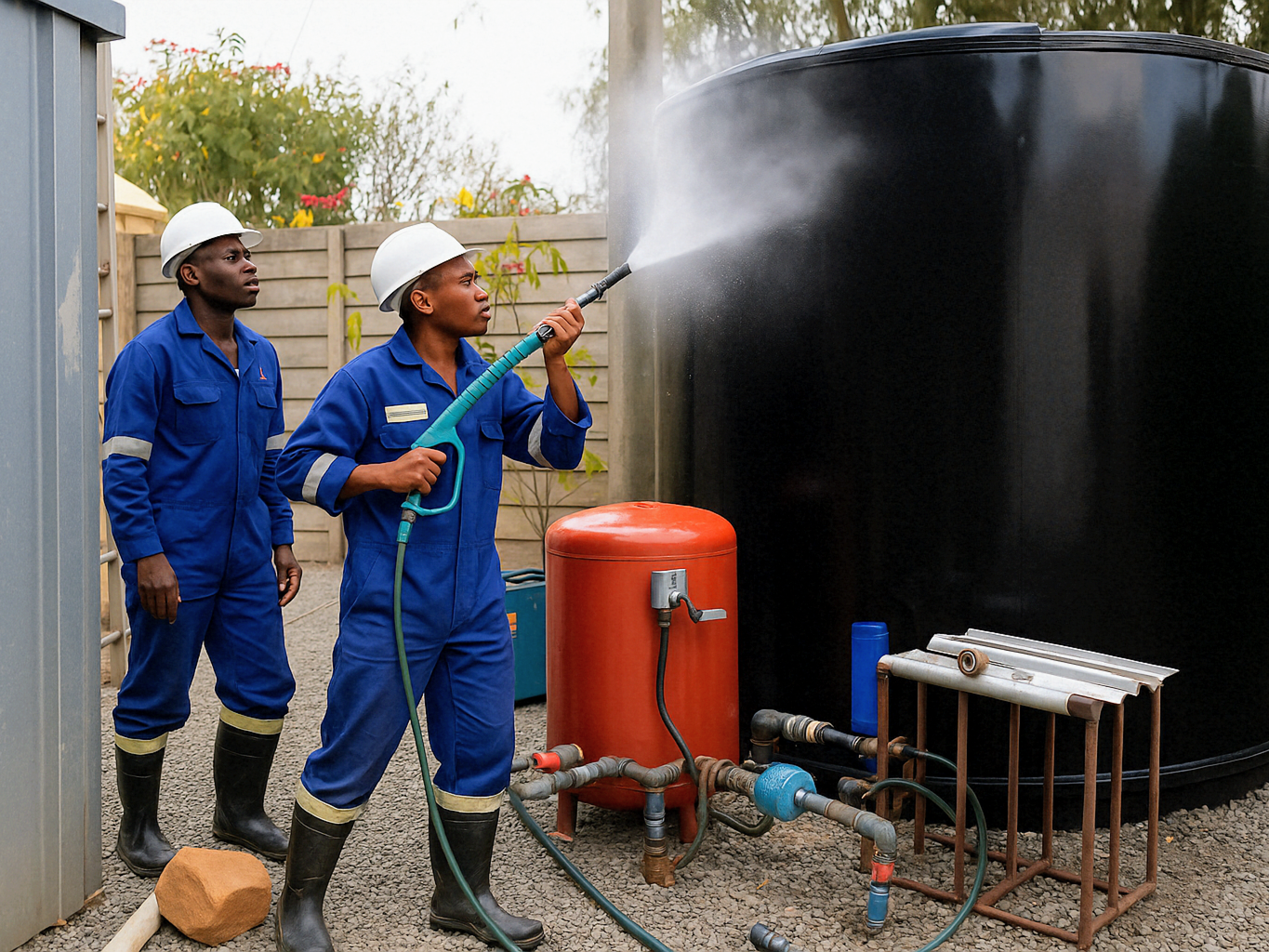
Regardless of your chosen tank’s material (plastic, concrete, or steel) or its configuration (overhead or underground), one fundamental truth prevails: regular, professional water tank cleaning is absolutely essential for safeguarding health and ensuring water quality.
The unseen dangers lurking in an unmaintained tank are numerous. Over time, sediment from the water source, dust, leaves, and other debris accumulate, forming sludge. This environment becomes a breeding ground for biofilm (a slimy layer of bacteria), harmful bacteria like E.coli and Legionella (which causes Legionnaires’ disease), viruses, and even small pests or insects that might find their way in.
Look out for these signs your tank needs cleaning to avoid health risks
Health Imperative
These contaminants are invisible to the naked eye but can lead to serious waterborne diseases affecting your family, employees, or customers. Professional cleaning effectively eliminates these biological threats.
Protecting Your Investment
Why clean your water tank regularly? Beyond health, it’s about protecting your asset. Sediment can be abrasive, contributing to wear. Rust can corrode steel tanks if not addressed. Unchecked algae or biofilm can even degrade certain tank materials over time. Regular cleaning extends the lifespan of your water tank.
Ensuring Water Quality
A clean tank means the water you use for drinking, cooking, bathing, and crucial business operations is fresh, clear, and free from unpleasant tastes, odours, or discoloration.
Avoiding System Issues
Accumulated sediment and debris can be drawn into your plumbing system, clogging pipes, taps, showerheads, and appliances. This can lead to reduced water flow, costly repairs, and system damage.
A professional water tank cleaning service in Kenya, like KiTank Cleaning, brings far more than just a brush and some effort. We provide:
- Expertise: Deep understanding of the specific cleaning challenges posed by different tank materials (plastic, concrete, steel) and configurations (overhead, confined space underground tanks), ensuring a thorough clean that meets Kenyan water health standards.
- Specialized Equipment: High-pressure water jets for effective scouring, powerful submersible pumps for complete sludge and water removal, and industry-approved, eco-friendly yet potent cleaning and disinfecting agents.
- Safety Protocols: Adherence to strict safety standards, especially for hazardous tasks like confined space entry (requiring specialized training, atmospheric testing, and rescue plans) and working at heights.
- Thoroughness & Documentation: A comprehensive cleaning process that ensures all internal surfaces are addressed. For businesses, documented cleaning schedules can be vital for health inspections and compliance.
Attempting a DIY clean, especially for underground or large tanks, can be ineffective at best and dangerous at worst. Professionals ensure the job is done right, safely.
Your Path to Clean and Secure Water
Choosing the right water tank is a foundational step towards achieving reliable water security in Kenya. However, the journey doesn’t end there. Diligent, regular, and professional maintenance—especially cleaning—is the paramount key to unlocking the long-term benefits of your investment: a continuous supply of safe, clean water.
This commitment safeguards the health of those who rely on that water, preserves the integrity and lifespan of the tank itself, and provides invaluable peace of mind. Don’t leave the quality of your water to chance. Ensure your water is always safe, clean, and healthy.
Ready for crystal clear, safe water? Contact KiTank Cleaning Services today for expert water tank cleaning services across Nairobi and major Kenyan cities. Get your water tank cleaning quote and book your service to keep your water safe and clean!
