
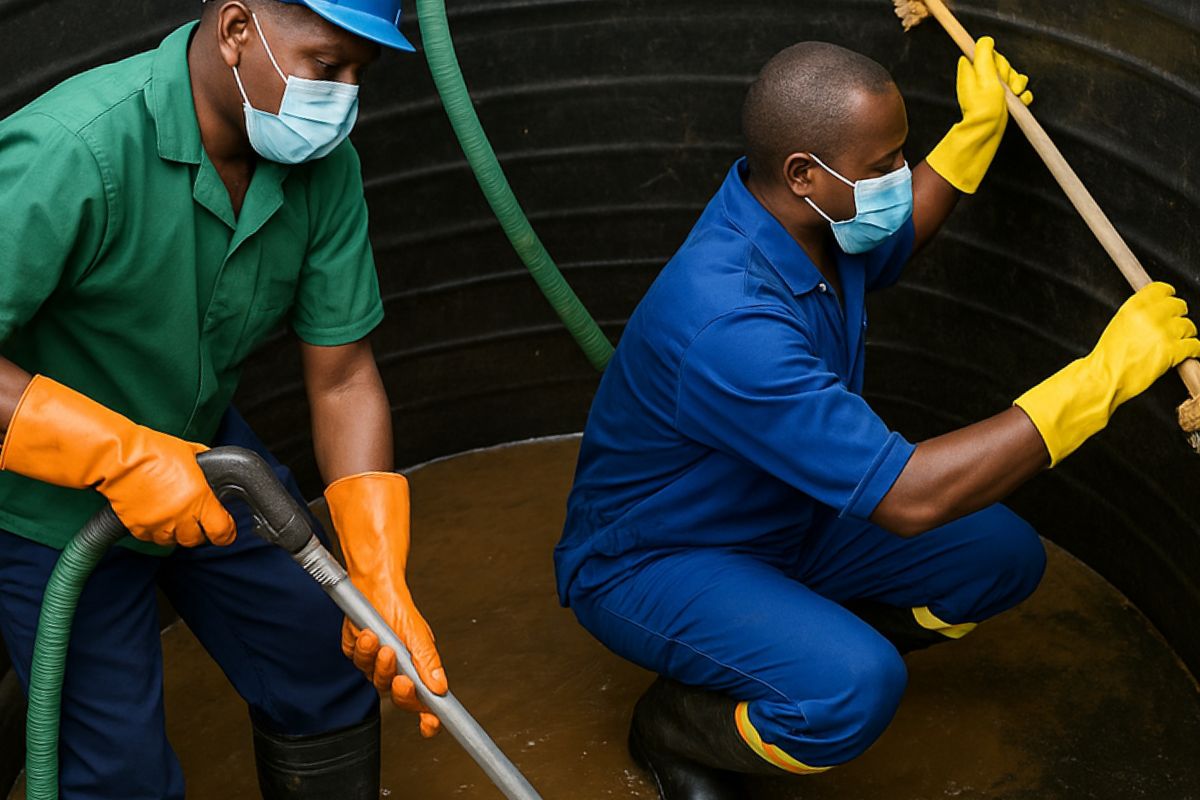
In Kenya, maintaining a clean and safe water supply is crucial, and professional water tank cleaning services play a vital role in achieving this. These services are essential for removing accumulated sediment, bacteria, and other contaminants that can compromise water quality. The cost of professional cleaning varies depending on tank size, location, and the extent of cleaning required, but it is a worthwhile investment in ensuring a healthy and reliable water source for both residential and commercial properties. By hiring qualified professionals, you can avoid potential health risks and ensure your water tank is functioning optimally.
This guide will provide an overview of water tank cleaning costs in Kenya, breaking down the factors that influence pricing, offering estimated ranges, and reinforcing the value proposition of investing in expert service.
Why Professional Cleaning is a Non-Negotiable Investment

Before we break down the costs, let’s understand why investing in professional water tank cleaning is crucial:
- Health and Safety: It eliminates harmful bacteria and viruses that cause waterborne diseases like cholera, typhoid, and dysentery, which are recurring threats in Kenya.
- Improved Water Quality: Sediment buildup can affect the taste, odor, and clarity of your water. Professional cleaning restores water to its optimal quality.
- Extend Tank Lifespan: Regular maintenance prevents corrosion and damage that could lead to costly tank replacement (which can cost from KSh 20,000 to over KSh 50,000).
- Optimal Appliance Functioning: Sediment can clog pipes and damage water-using appliances like water heaters, washing machines, and dishwashers. Clean tanks prevent such issues.
- Compliance and Peace of Mind: For businesses and institutions, maintaining clean water tanks is often a regulatory requirement. For homeowners, it offers peace of mind knowing their family’s health is protected.
What is the Cost of Water Tank Cleaning in Kenya?
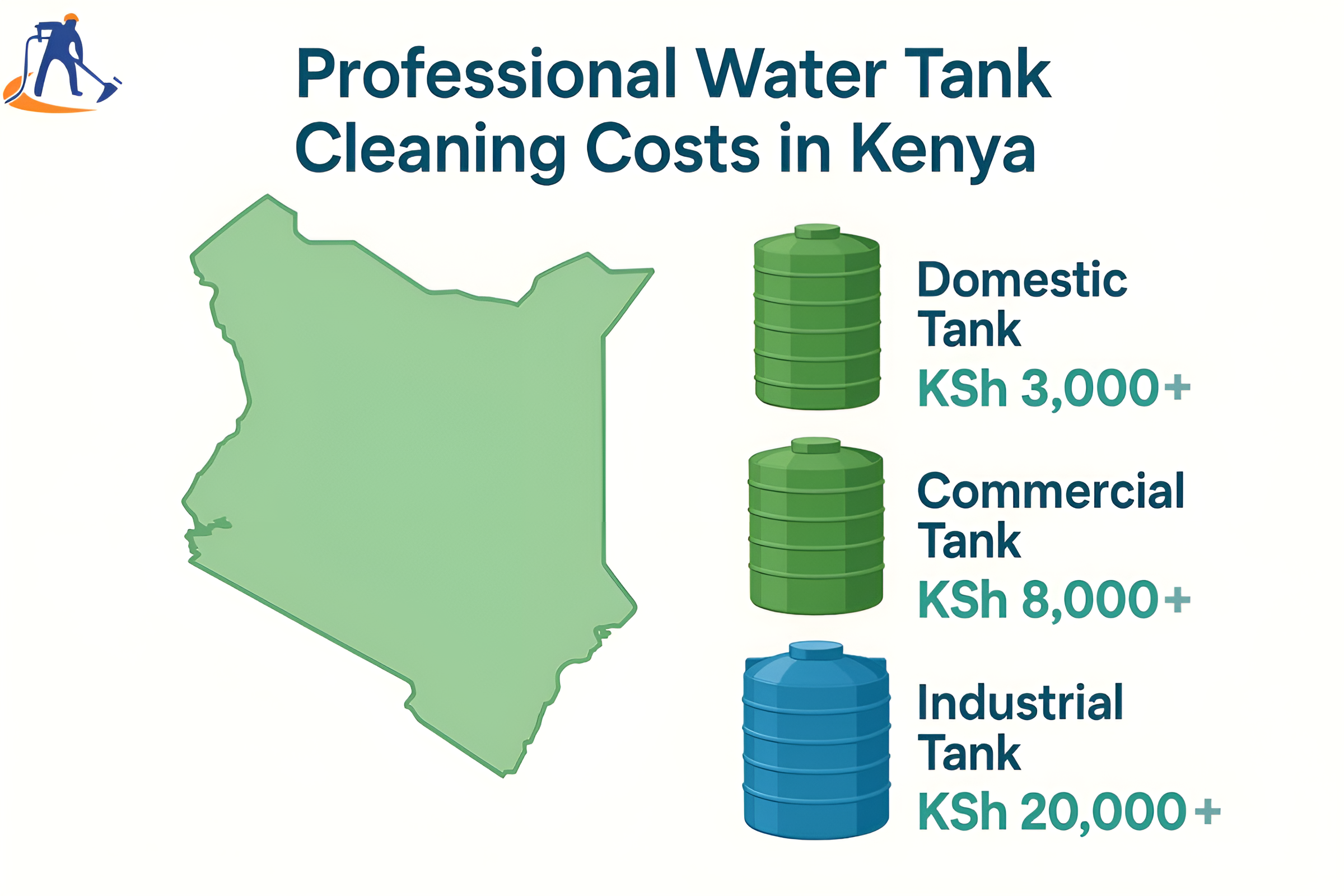
In 2025, the cost to clean a water tank in Kenya ranges from KSh 2,000 to over KSh 20,000. The final price depends on the tank’s size and the service’s complexity.
For smaller residential tanks of 500 to 1,000 litres, expect to pay between KSh 2,000 and KSh 3,500. For larger commercial tanks exceeding 10,000 litres, the cost can range from KSh 10,000 to KSh 20,000 or more, especially for deep cleaning. Optional disinfection services add KSh 500 to KSh 5,000 to the total cost.
As several factors influence the final price, it is best to get a precise quote. Reputable companies, such as KiTank Cleaning Services, can provide a detailed estimate based on your specific needs.
Estimated Water Tank Cleaning Prices in Kenya (2025 Averages)
Here is a guide to the typical costs you can expect for professional water tank cleaning services in Kenya. Prices vary based on the level of contamination and specific services required.
Price Guide for Residential & Commercial Water Tank Cleaning
| Tank Size (Litres) | Standard Cleaning (KSh) | Deep Cleaning (KSh) | Recommended Frequency |
|---|---|---|---|
| Up to 1,000 | 2,000 – 3,500 | 5,000 – 10,000 | Every 6 months |
| 1,000 – 2,000 | 4,000 – 6,000 | 5,000 – 10,000 | Every 6-12 months |
| 2,000 – 5,000 | 6,500 – 9,000 | 5,000 – 10,000 | Every 6-12 months |
| 5,000 – 10,000 | 4,500 – 6,000+ | 5,000 – 10,000 | Every 12 months |
| Above 10,000 | 6,000+ | 10,000 – 20,000 | Every 12 months |
Additional Service Cost Estimates:
- Water Quality Testing: Ksh 1,000 – Ksh 5,000
- Minor Tank Repairs: Ksh 1,000 – Ksh 2,500+
- Filter Cleaning/Replacement: KSh 1,000 – KSh 3,500
- Emergency Service: Expect a 20-30% surcharge.
- Travel Surcharge: A fee may apply for locations outside major towns like Nairobi, Mombasa, Kisumu, and Nakuru
💡 Related Reading:
• How Often Should You Clean Your Water Tank in Kenya?
• Top 7 Signs Your Water Tank Needs Cleaning
What Factors Determine the Final Water Tank Cleaning Price?
The price for professional water tank cleaning in Kenya isn’t a simple, flat fee. Reputable providers will give you a quote based on a thorough assessment of several key factors. The final cost reflects the specific requirements of the job, from the size of your tank to how dirty it is. Here’s a comprehensive breakdown of what influences the price you’ll pay.
Tank Size and Capacity
This is the most significant factor influencing the cost. Larger tanks naturally require more time, effort, specialized equipment, and cleaning agents, which translates to a higher price. The work needed to properly clean a 10,000-litre commercial tank is substantially greater than for a 1,000-litre residential one.
Service providers often price their services based on the tank’s volume, typically measured in liters:
- Small residential tanks: 500 – 2,000 litres
- Medium-sized tanks: 2,000 – 5,000 litres
- Large commercial or industrial tanks: Above 5,000 litres
The rule is simple: the higher the capacity, the higher the cleaning cost.
Tank Condition and Contamination Level
The state of your water tank dictates the intensity of the cleaning. A tank with a significant buildup of sediment, algae, or other pollutants will need a more intensive “deep clean.” This process requires specialized tools for sludge extraction, more potent disinfectants, and significantly more time and effort from the crew, justifiably increasing the cost.
Conversely, a well-maintained tank that undergoes regular cleaning will have minimal sediment and will, therefore, be quicker and less costly to service.
“The condition of your water tank directly impacts how effective and time-consuming the cleaning will be. This plays a big role in determining your final cleaning cost.” – Maxwell B, Water Cleaning Services Provider.
Tank Type, Material, and Accessibility
The tank’s design and location indirectly influence costs by determining the labor, equipment, and safety measures required.
Tank Material
While not always a direct price differentiator, the tank’s material can affect the labor involved.
- Plastic (Polyethylene) Tanks: These are the most common and generally the easiest and cheapest to clean.
- Concrete Tanks: These can be prone to cracking and may require extra work like descaling mineral deposits, which can increase the cost.
- Metallic Tanks: These require careful handling to avoid damaging the protective anti-rust coatings.
Location and Accessibility
The cost to clean an underground water tank is often more expensive due to the increased safety risks and accessibility issues. Confined space entry regulations, potential hazards like toxic atmospheres, and the need for specialized equipment all contribute to higher costs.
Tanks on high towers or in hard-to-reach areas also incur higher costs because of the extra equipment and safety precautions required. Easily accessible, ground-level tanks are the most straightforward and cost-effective to clean.
Design
Tanks with complex internal structures, such as baffles or multiple compartments, can increase cleaning time and, therefore, the price.
Geographic Location
While many professional cleaning companies cover major cities like Nairobi, service costs can vary based on your location. The water tank cleaning cost in Nairobi, for example, might differ slightly from rates in more remote or rural areas. This difference is typically due to travel time, fuel costs, and the general operational overheads of serving areas far from the company’s base.
It’s always wise to confirm if a provider services your specific area and whether any travel surcharges apply.
Frequency of Cleaning
A regular water tank cleaning and maintenance schedule lowers long-term costs. Infrequent cleaning allows contaminants to accumulate, often requiring a more intensive and expensive deep clean.
- Regular Cleaning (every 6-12 months): Prevents heavy buildup, making each session quicker and cheaper. It also preserves water quality and extends the tank’s lifespan.
- Infrequent Cleaning (over 12 months): Can lead to severe contamination, demanding more time, labor, and resources, which increases the cost.
Expert Advice: Ask providers about long-term maintenance contracts. They often include discounts that can be more cost-effective in the long run. An annual contract might range from KSh 20,000 to KSh 40,000 or more, but often includes multiple services.
Scope of Service and Optional Add-ons
The final quoted price also depends on what the service package includes.
- Basic Cleaning: Includes draining, scrubbing interior surfaces, removing sediment, and disinfection.
- Deep Cleaning: A more intensive service using high-pressure jetting, advanced sanitization, and thorough sludge removal for heavily contaminated tanks.
A reputable company may also offer additional services, bundled with the cleaning, that add to the total cost but provide long-term value. These can include water quality testing, minor repairs like sealing cracks, applying preventative coatings, and the proper disposal of sludge.
The Professional Water Tank Cleaning Process: What to Expect
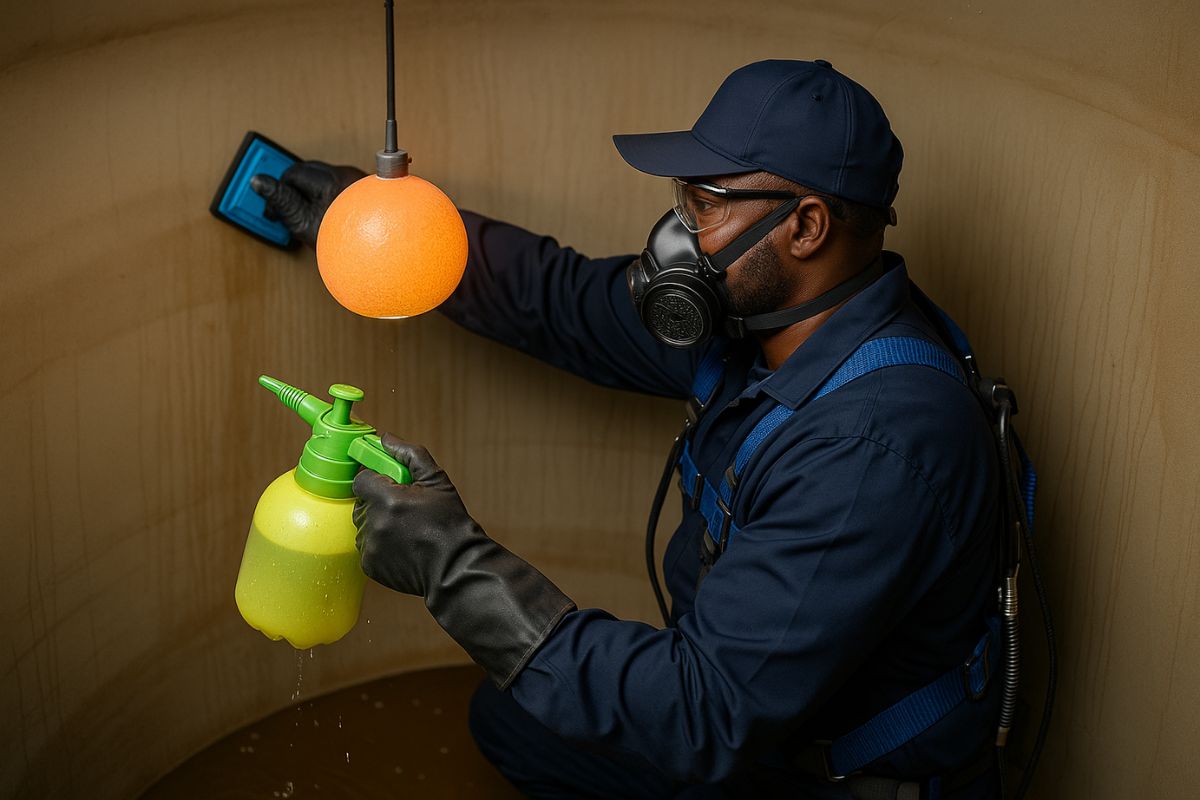
When you hire a professional, you’re paying for expertise, specialized equipment, and a thorough process that typically includes:
- Assessment: A technician inspects the tank’s condition.
- Draining: Water is safely drained from the tank.
- Sludge Removal: All sediment and debris are removed using industrial-grade vacuums.
- High-Pressure Washing: Interior surfaces are scrubbed and jet-washed to remove all grime and biofilm.
- Disinfection: The tank is treated with a safe, food-grade disinfectant.
- Final Rinse: The tank is rinsed thoroughly to remove all traces of disinfectant.
- Inspection & Refilling: A final check is done before the tank is refilled.
Professional Service vs. DIY Cleaning
Tempted to save a few shillings and do it yourself? Here’s a quick comparison.
| Feature | Professional Service | DIY Approach |
| Effectiveness | Removes 99.9% of sludge & germs | Often leaves behind harmful biofilm |
| Equipment | High-pressure jets, industrial vacuums | Domestic brush, bucket |
| Safety | Trained technicians, safe disinfectants | Risk of injury, chemical misuse |
| Time & Cost | Upfront fee for guaranteed results | “Free” but risks illness & tank damage |
How to Choose the Right Service Provider
Choosing the right water tank cleaning service provider is just as important as understanding the costs. Here’s what to consider:
- Proven Experience: Choose a company with a strong track record and positive customer reviews.
- Trained and Insured Staff: Ensure the technicians are trained in safety protocols and the company has liability insurance.
- Proper Equipment: A professional service will utilize high-pressure washers, submersible pumps, scrubbing tools, and appropriate safety gear.
- Safe Cleaning Agents: Ask what disinfectants they use. They must be food-grade and environmentally friendly.
- Transparent Quotation: Demand a detailed quote that breaks down all costs with no hidden charges.
Recommendation: Get Multiple Quotes
Contact at least 2-3 reputable providers to compare pricing and service offerings. Companies like Kitank Cleaning and Bestcare Services are examples of established companies in Kenya that specialize in water tank cleaning.
Invest Wisely for Pure, Safe Water
While the cost of water tank cleaning in Kenya varies, its value is constant. In 2025, the average cost for professional water tank cleaning in Kenya ranges from KSh 2,500 for small residential tanks (under 1,000 litres) to over KSh 20,000 for large commercial tanks that require deep cleaning and specialized services. The price you pay is minimal compared to the potential costs of medical bills, plumbing repairs, or a full tank replacement. By understanding the factors involved and choosing a reputable provider, you are making a critical investment in the health and safety of your family or business.
Don’t wait for your water to show signs of contamination or waterborne illness to recognize the importance of a clean tank. Get a personalized quote for your water tank cleaning needs today! Contact KiTank Cleaning for transparent, competitive pricing and exceptional service across Nairobi, Mombasa, Kisumu, Eldoret, and beyond. Protect your water. Protect your health.
