
Many home and business owners focus on how often to clean their water tank, but a far more critical question is overlooked: what should you be using to clean it? Using the wrong water tank cleaning products can do more than just an inadequate job. At best, you could damage your tank; at worst, you could contaminate your entire water supply, posing serious health risks. When it comes to potable water, the stakes are incredibly high.
This comprehensive guide will eliminate the guesswork. We’ll break down the products that are safe and effective for cleaning your water tank and shine a bright light on the hazardous chemicals you must avoid. By the end, you’ll understand how to perform a safe DIY cleaning and know when it’s time to call in the experts to ensure the water for your home or business remains pure and safe.
Why Clean Your Water Tank?
Regularly cleaning your water tank is a vital practice that underpins health, water quality, and even the longevity of your investment. Over time, sediment, algae, and bacteria can accumulate in a tank, compromising the water’s safety.
The benefits of water tank cleaning are numerous: it prevents waterborne diseases by eliminating harmful bacteria and viruses, ensuring your drinking water is safe. Cleaning also extends the tank’s lifespan by removing corrosive sediment and debris.
Neglecting your water tank can lead to severe health issues for your household, and costly damage to your water storage system. Proactive cleaning saves money and ensures peace of mind.
Tip: Regular cleaning, typically every 6 to 12 months for residential tanks, and more frequently, such as every 3 to 6 months, for commercial or hard water tanks is recommended to maintain a healthy water supply.
Key Considerations Before Choosing a Cleaner
Before selecting a cleaning product, consider these factors:
- Tank Material: The best cleaning method and product may vary depending on the type of water tank. Use products compatible with your tank’s material, whether plastic, metal, or concrete, to avoid damage.
- Tank Size: The tank’s size determines the amount of cleaning solution needed. Large tanks may require commercial-grade products, while household solutions can suffice for smaller ones.
- Environmental Impact: Choose biodegradable and eco-friendly products to avoid toxic runoff.
- Local Regulations: Comply with regional laws that may restrict certain chemicals, especially for drinking water tanks.
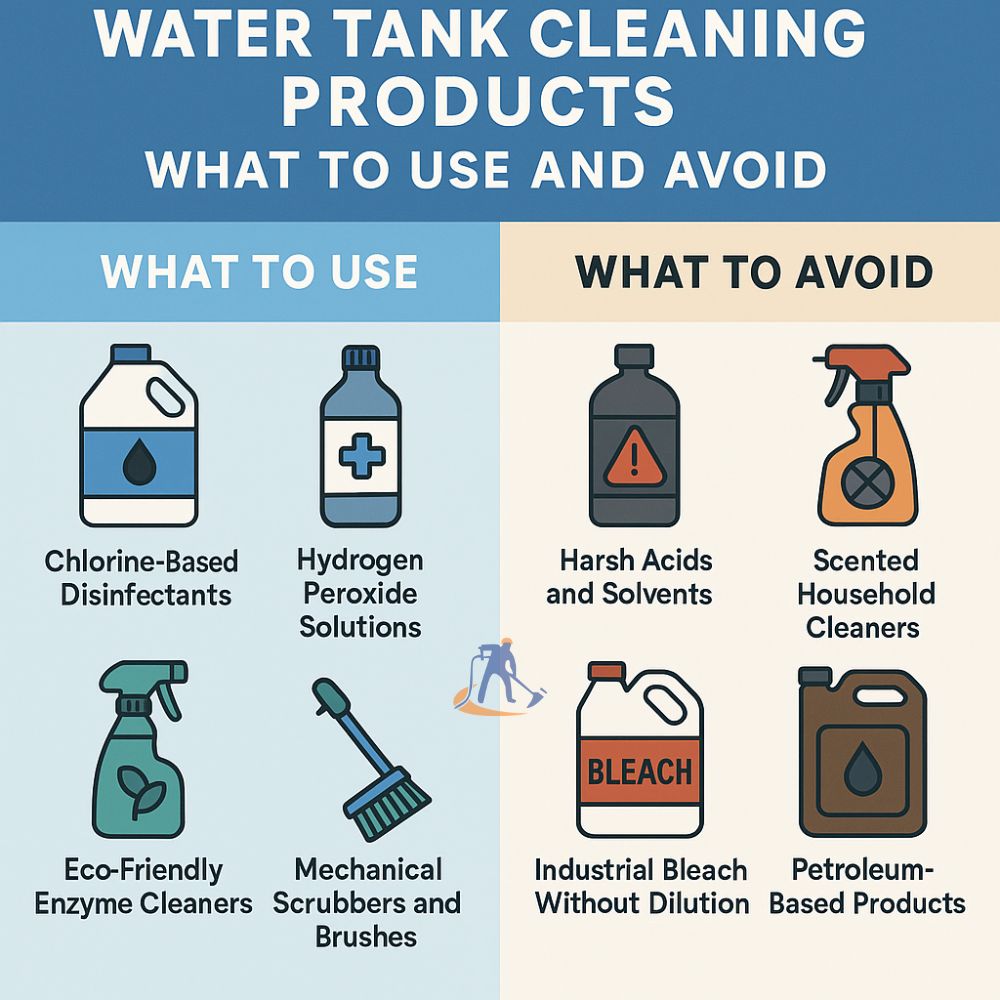
Best Water Tank Cleaning Products (What to Use)
To clean a water tank effectively, use solutions that disinfect and remove contaminants without leaving harmful residue. Natural solutions often suffice for light maintenance, but deep disinfection requires specialized chemicals handled with care.
For Basic Scrubbing & Minor Grime (DIY-Friendly)
You do not always need harsh chemicals for routine cleaning. These natural water tank cleaners are excellent starting points.
Pressurized Water and Scrubbing
The safest first step is to use a high-pressure hose to dislodge loose sediment and dirt. For tougher spots, use a non-abrasive brush. Attempt this method before introducing any chemicals.
Mild Soapy Water (Food-Safe Detergent)
A solution of mild, biodegradable detergent and hot water can break down greasy films. The critical step is thorough rinsing. Rinse multiple times until all suds and any slippery feel are gone, as soap residue affects water taste.
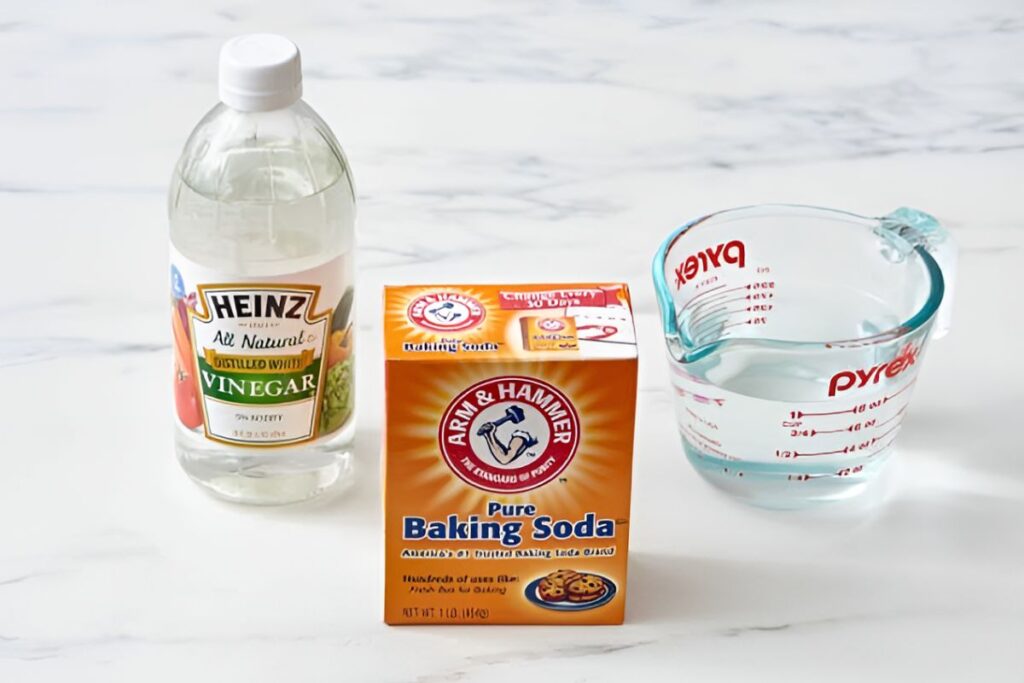
Vinegar (White Vinegar)
A fantastic natural water tank cleaner, white vinegar is an excellent disinfectant and descaler. Its acidic nature is perfect for breaking down light algae growth and mineral deposits (limescale). For a safe scrubbing solution, dilute it (a 1:1 ratio of vinegar to water is common for a good balance of cleaning power and safety). After scrubbing, rinse the tank extensively to remove the vinegar taste and smell. Using vinegar for tank cleaning is a popular, eco-friendly choice.
Baking Soda
As a mild abrasive and natural deodorizer, baking soda is ideal for scrubbing away biofilm and neutralizing odors. Make a paste with water to target stubborn areas. Its gentle nature cleans without scratching the tank’s surface.
Cleaning Agents For Disinfection
When dealing with significant contamination like bacteria or heavy algae, a chemical disinfectant is necessary. This work often requires professional handling.
Chlorine-Based Disinfectants
Chlorine-based disinfectants are frequently used for water tank cleaning and disinfection because they are effective against a wide range of microorganisms. Chlorine, in various forms like household bleach (sodium hypochlorite) or calcium hypochlorite, is known to kill bacteria, viruses, and algae, making it a popular choice for residential water treatment.
- Professional Use: Certified professionals use food-grade chlorine at precise concentrations (typically 50–200 ppm) to kill pathogens. They have the equipment and expertise to ensure even application and complete rinsing.
- A Word of Extreme Caution for DIY: For a small tank, you may use only plain, unscented household bleach, typically with a chlorine concentration of 5.25% to 8.25% and follow the manufacturer’s dilution instructions precisely. A common guideline is to use about 1 cup of bleach for every 1000 litres of water, with a contact time of one to two hours. Afterward, drain the tank and rinse it multiple times until no chlorine smell remains. An error in measurement or rinsing can leave harmful chemicals in your drinking water.
Food-Grade Hydrogen Peroxide
An excellent and environmentally friendly disinfectant, hydrogen peroxide breaks down into only water and oxygen, leaving no residue. It is effective against bacteria, viruses, and biofilm. Professionals often use it as a chlorine alternative, but it is less common and more expensive for DIY use.
Enzymatic Biodegradable Cleaners
Enzymatic cleaners offer an environmentally friendly method for maintaining water tanks. They use enzymes to break down the organic matter and biofilms that cause odors.
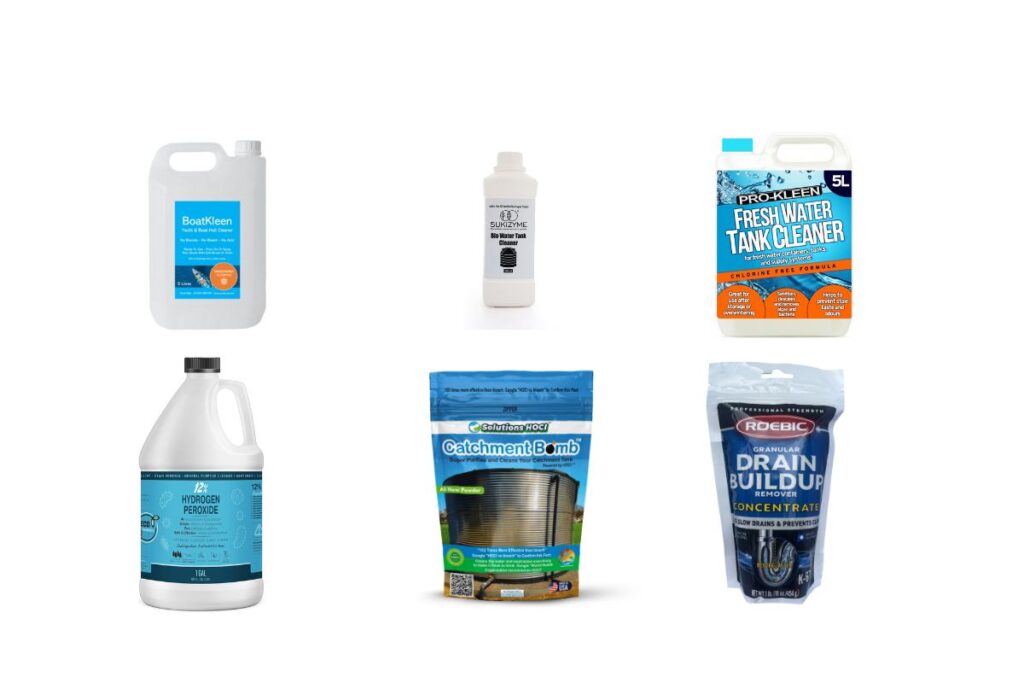
Products such as SUKIzyme and Mr. Bacteria No. 15 use these enzymes to “digest” waste and improve water quality. Safe for most septic systems and water tanks, these enzymatic water tank cleaners are ideal for ongoing maintenance, helping to preserve your tank’s condition between professional cleanings.
Specialized Water Tank Cleaners
Several commercial cleaners are available to safely and effectively sanitize potable water tanks. These cleaners and disinfectants, offered as tablets or liquids, come with clear instructions.
For general disinfection, purification tablets such as Aquatabs, Ef-Chlor, and Bactafree purify water storage systems. To remove limescale, rust, and biofilms, use a dedicated cleaning solution like Puriclean, Puri Sol, or D Scale. Always choose products rated as food-grade and safe for drinking water.
Water Tank Treatment Kits
Using a commercial tank cleaning kit can be an effective way to clean and maintain your water tank. A typical kit includes cleaning and disinfecting agents, along with tools for scrubbing and rinsing, making the cleaning process more efficient and thorough. They are convenient, safe, and cost-effective. Select a kit based on your tank’s size and water quality for the best results.
What to Avoid When Cleaning Your Water Tank
Using the wrong chemicals or practices can damage your tank, contaminate your water, and create serious health risks. Avoid the following agents and methods at all costs.
Harsh Chemicals to Avoid
Strong Acids (e.g., Hydrochloric/Muriatic Acid)
Never use strong acids. They are extremely corrosive and will rapidly damage plastic, concrete, and metal tanks, causing leaks and structural failure. They are also dangerous to handle, producing toxic fumes and severe chemical burns. Mixing them with other substances can release lethal gas.
Strong Alkalis (e.g., Caustic Soda/Sodium Hydroxide)
Like strong acids, alkalis like caustic soda in a water tank are highly corrosive, will damage water storage tanks and equipment if not properly handled. They can cause severe chemical burns on contact and are extremely hazardous to handle.
Hazardous Tools and Products
Abrasive Scouring Pads, Steel Wool, or Wire Brushes
These tools will scratch the inner surface of a tank, creating microscopic grooves where bacteria and algae can thrive. This damage makes future cleaning more difficult and less effective.
Non-Food-Grade or Industrial-Strength Cleaners
Industrial cleaners contain toxic chemicals unsafe for human consumption. They leave harmful residues that leach into the water, posing risks from mild irritation to severe poisoning and long-term illness.
Only use a cleaner that’s explicitly marked as “food-grade” or “safe for potable water.” Always check for relevant certifications, such as NSF/ANSI 60 or the Kenya Bureau of Standards (KEBS).
Dish Soap or Laundry Detergents
Standard detergents and soaps are not food-safe and can leave behind residues that affect the taste and quality of the water and may be difficult to rinse out completely. Moreover, the residue can contaminate drinking water and cause adverse health effects if consumed.
Petroleum-Based Products
Never use kerosene, petrol, or other flammable liquids. They create an immediate fire and explosion risk, especially in an enclosed tank. Even small traces will poison the water supply, and the taste and smell are impossible to remove.
Dangerous Practices
Mixing Cleaning Agents
The golden rule of cleaning is to never mix different chemicals unless the manufacturer gives explicit instructions. Mixing bleach with common cleaning products, especially ammonia or acid-based cleaners releases toxic gases like chloramine or chlorine gas, which can cause severe lung damage or death. Use one product at a time and rinse thoroughly between applications.
Using High Concentrations or Rinsing Incompletely
More is not better. Even with the right chemical, dosage and process matter. Using excessive amounts any cleaning agent, even bleach, can damage the tank and leave behind a residue. This residue can be difficult to completely rinse away, especially if it has dried on a surface or if the rinsing process isn’t thorough.
Bleach residue in water tanks can cause a range of problems, including health issues, corrosion, and a foul taste or odor in your water. Adhere strictly to the recommended dilution ratios and rinse the tank multiple times until the water runs clear and has no chemical odor.
Using Unlabeled or Unverified Products
If a product is unlabeled or its safety for potable water is unclear, do not use it. The risk is not worth it. Choose products explicitly labeled for water tanks or recommended by public health authorities. Safety must be your top priority.
Feeling unsure about handling these chemicals? Don’t risk it. Click here to get a free, no-obligation quote from our certified professionals.
How to Clean Your Water Tank At Home
Essential Tools for Water Tank Cleaning
Cleaning a water tank requires more than just cleaning agents. Essential tools for water tank cleaning include:
- Long-handled, stiff-bristled, non-abrasive brushes.
- A high-pressure washer for efficiency.
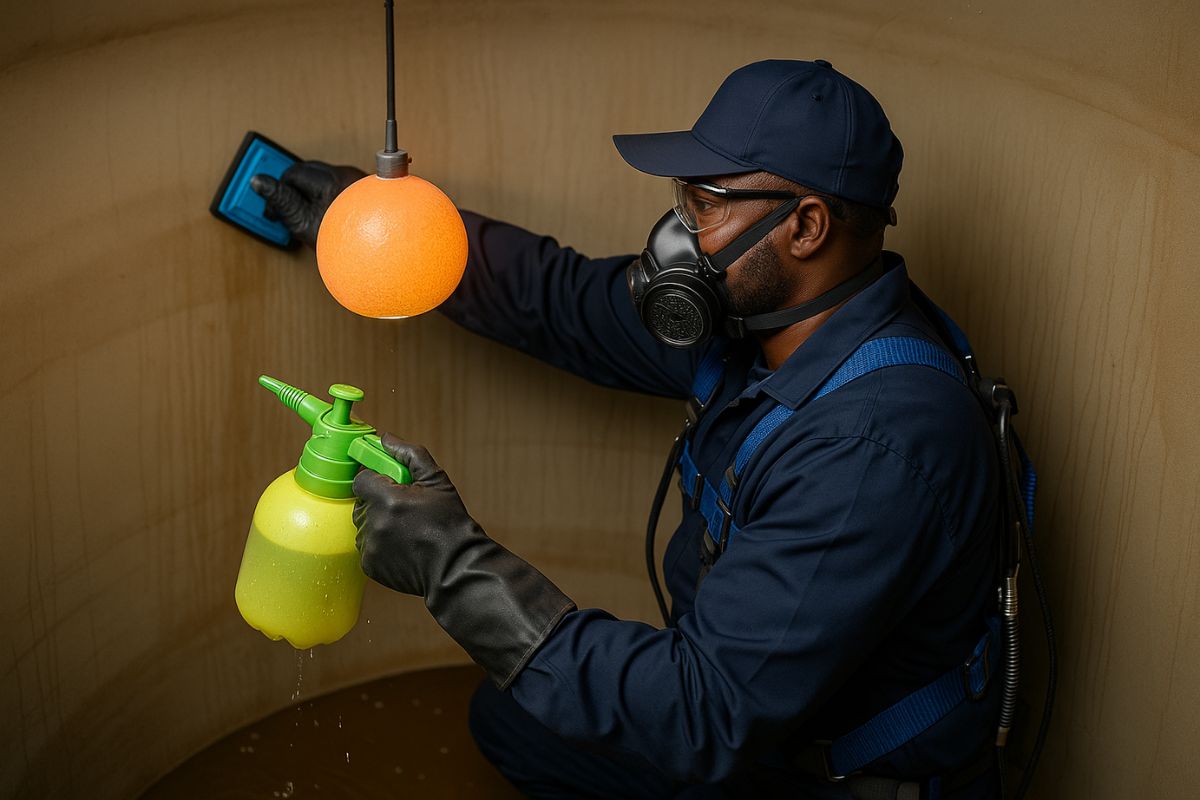
- Personal Protective Equipment (PPE): This is non-negotiable. Always wear gloves, eye protection, a mask, and non-slip boots.
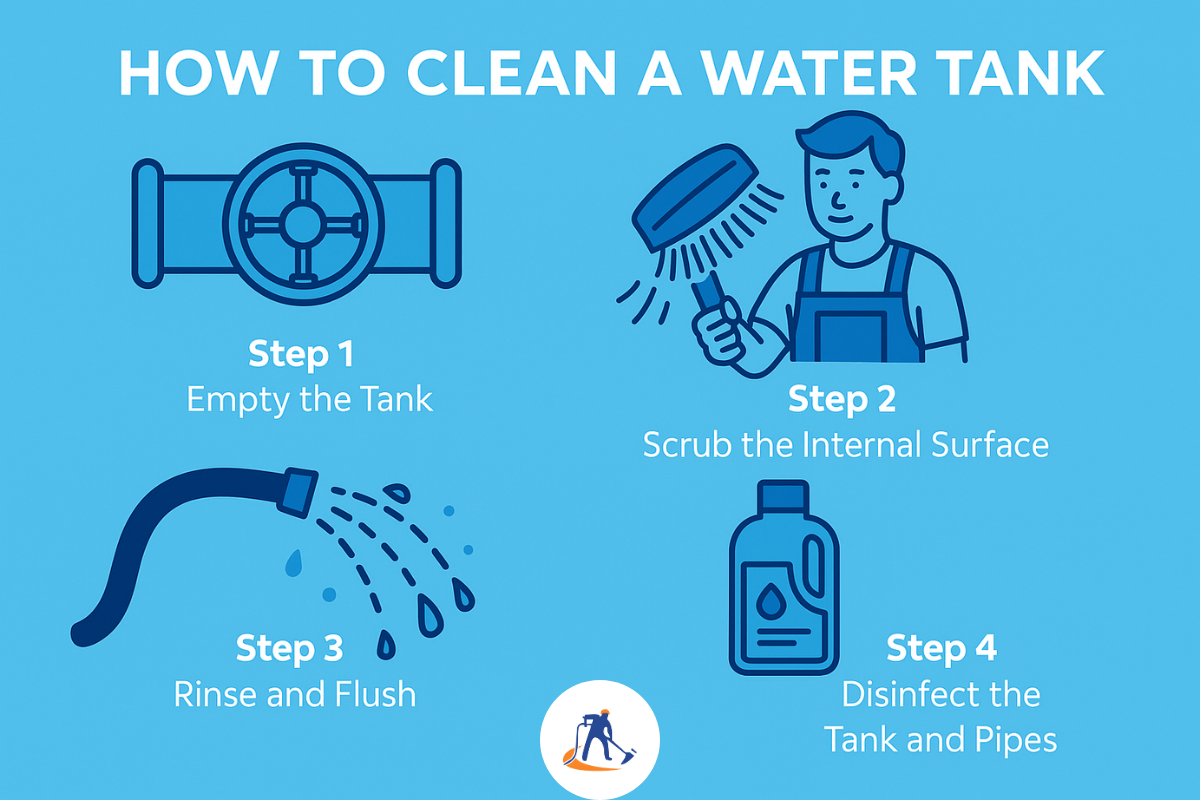
The DIY Cleaning Process: A Step-by-Step Guide
Follow this process for a safe and effective cleaning of your domestic water tank.
- Drain the Tank: Empty the tank completely. Ensure you have an alternative water source available during the cleaning.
- Scrub the Interior: Using your brush and high-pressure water, scrub the inner walls and floor to remove all slime, sediment, and algae.
- Rinse: Rinse the tank with clean water to remove all dislodged debris.
- Disinfect: Prepare your chosen food-grade cleaning solution (e.g., a diluted bleach mixture) and apply it to all interior surfaces. Let it sit for several hours to ensure proper disinfection.
- Final Rinse: Drain the disinfecting solution. Rinse the tank multiple times with clean water until there is absolutely no remaining odor from your cleaning agent.
- Refill: Once clean and odor-free, refill the tank with fresh water.
Important Safety Precautions
Regardless of the cleaning method and chemical used, safety is paramount.
- Always wear gloves and protective gear.
- Ensure the tank is well-ventilated.
- Always adhere to the recommended dosage and safety precautions provided by the chemical manufacturer.
- Clean the inlet and outlet pipes of the tank as they can also harbor dirt and bacteria.
- Rinse thoroughly to eliminate chemical traces before refilling the tank.
DIY or Hire a Professional?
While the DIY method works for many standard household tanks, some situations demand professional expertise. Consider hiring a professional cleaning service if:
- Your tank is very large, underground, or difficult to access safely.
- The tank is heavily contaminated with thick sludge or stubborn algae that DIY methods can’t shift.
- You are responsible for water safety in a commercial setting like a school, business, or apartment complex.
- You lack the proper safety equipment or time to do the job thoroughly.
While professional service costs more upfront (from KES 10,000 to KES 50,000, depending on size and location), it guarantees sanitation and provides peace of mind.
Why Professional Cleaning Is More Than Just Products
A professional water tank cleaning service offers expertise and safety that DIY cannot replicate.
- Precise Chemical Dosing: Professionals are trained in safe chemical handling for tank cleaning. They use food-grade chemicals at precise concentrations to disinfect effectively without leaving harmful residue.
- Specialized Equipment: They use high-pressure jets and industrial vacuums to remove all sludge and contaminated water.
- Strict Safety Protocols: Certified water tank cleaners are trained in confined space entry, equipped with proper PPE, and follow strict safety procedures to mitigate all risks.
- Guaranteed Results: Reputable services often provide post-cleaning tests (e.g., for chlorine levels or turbidity) to confirm the water is safe.
- Responsible Waste Disposal: Professionals dispose of hazardous sludge and contaminated water according to environmental regulations.
Your Water’s Purity: Don’t Compromise on Products or Expertise!
Choosing the right water tank cleaning products is fundamental to the health of your water and the longevity of your tank. While natural, DIY-friendly products like vinegar and baking soda are great for light maintenance, deep cleaning and disinfection require specialized, food-grade solutions applied with expert precision.
Knowing what to use for tank cleaning is half the battle, but knowing what to avoid—strong acids, abrasive tools, and improperly mixed chemicals—is essential for your safety. True peace of mind comes from knowing the job was performed not just effectively, but safely.
Don’t gamble with your health or the integrity of your water tank by using inappropriate cleaning products. For a professional, safe, and thorough cleaning that guarantees pure water across Nairobi and Kenya, contact KiTank Cleaning today. We use only KEBS-approved, food-grade products and proven methods to ensure your water tank is pristine.
