
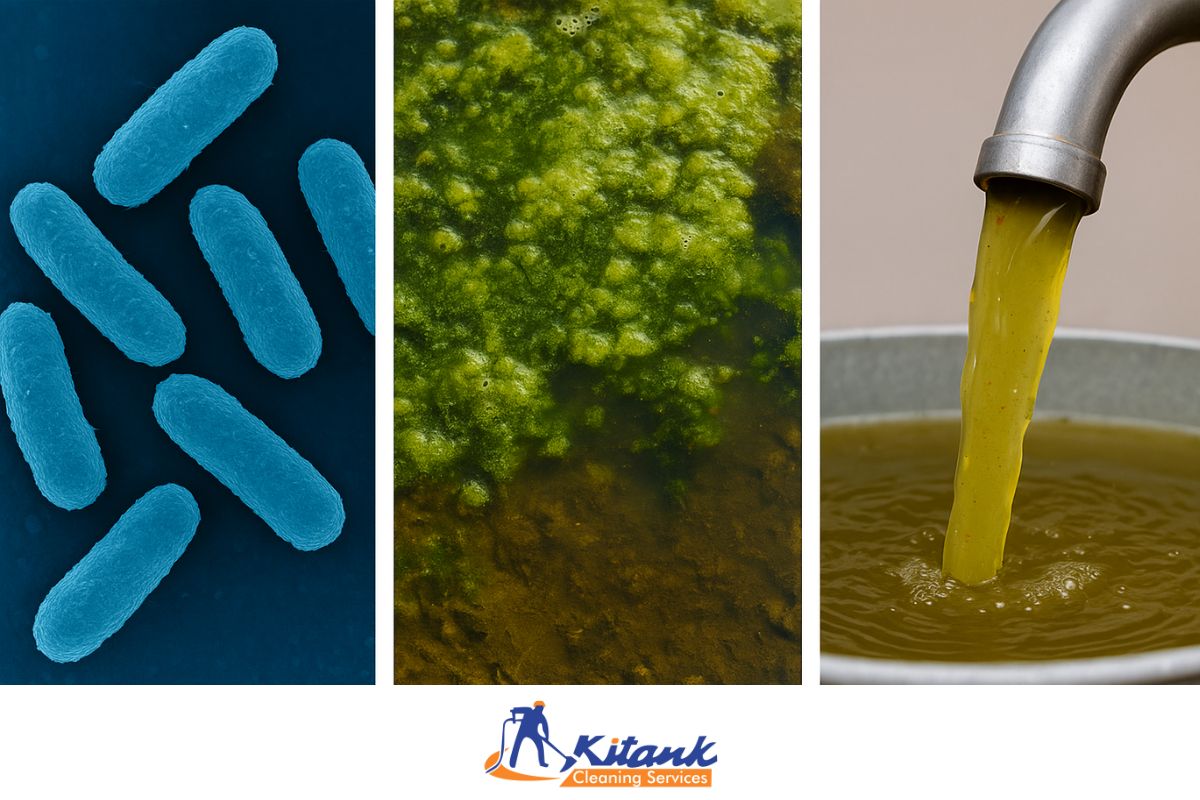
Your water tank can collect more than just water; it can harbor unwanted substances that compromise quality and safety. Among the top water tank contaminants are sediment, chemicals, external pollutants, bacteria, algae, and nitrates. These unwelcome guests often enter tanks via roof runoff, animal droppings, or airborne particles and pose significant health risks.
You might not see these contaminants, yet their presence can cause serious problems if the water is used for drinking, cooking, or even cleaning. Understanding these dangers is the first step toward protecting yourself and your family.
This guide details the most common contaminants found in water tanks, their sources, and their impact. Most importantly, it provides practical solutions to help you maintain a safe and clean water supply.
The Dangers in Your Water: Why Tank Contamination is a Critical Issue
The cleanliness of your water tank is not just about clear water; it’s about safeguarding public health. Contaminated water can lead to serious illnesses, impacting both individuals and the wider community.
Health Risks of Contaminated Water Tank
When water tanks are not properly maintained, they can become sources of dangerous waterborne diseases. These illnesses can range from mild discomfort to severe, life-threatening conditions.
For instance, the Kenya Ministry of Health reported a significant number of cholera cases across the country. As of July 2023, there were 11,181 cholera cases and 196 fatalities in 26 counties. Such outbreaks are frequently traced to contaminated water sources. On a global scale, the World Health Organization (WHO) attributes approximately 505,000 diarrhoeal deaths each year directly to microbiologically contaminated drinking water.
Common illnesses linked to contaminated water tanks include:
- Cholera and Typhoid: Severe bacterial infections causing fever, diarrhea, and potentially life-threatening complications.
- Gastrointestinal Illnesses: Diarrhea, vomiting, and stomach cramps caused by bacteria like E. coli and viruses like Norovirus.
- Parasitic Infections: Giardia and Cryptosporidium can cause persistent digestive issues and are often resistant to basic disinfection.
- Skin Irritations: Biofilms and certain bacteria can lead to skin rashes and infections.
The Hidden Costs: Economic and Practical Consequences
Beyond the immediate health risks, contaminated water also carries significant economic and practical burdens. Medical bills for treating waterborne illnesses can be substantial, leading to lost income and productivity. Contaminants like sediment and rust can also clog and damage your plumbing system, leading to costly repairs and reduced water flow. Ultimately, compromised water quality affects every aspect of daily life, from cooking and cleaning to personal hygiene
What Are the Common Contaminants Found in Dirty Water Tanks?
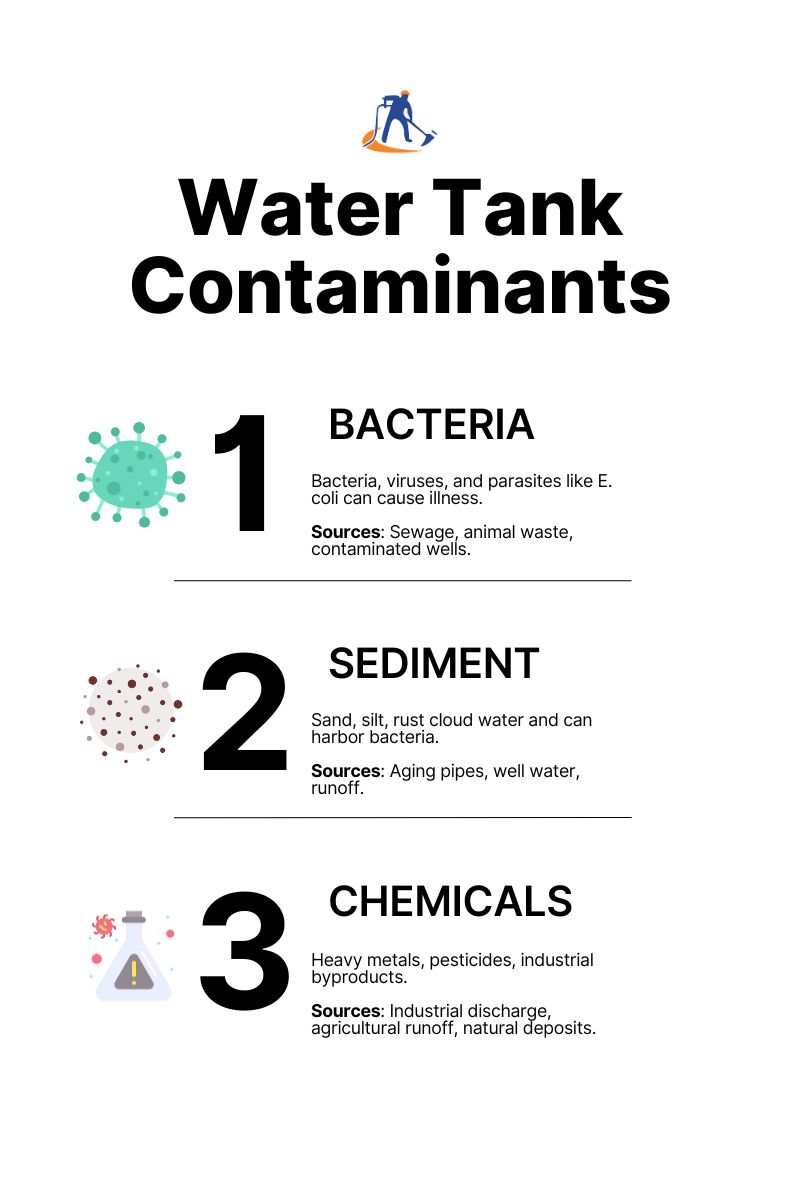
Water tank contaminants generally fall into three main categories: biological (living organisms), physical (visible particles), and chemical (dissolved substances).
Here are the common contaminants and their sources:
1. Biological Contaminants (Microorganisms)
These are living organisms that thrive in the stagnant water of a storage tank and are often the most direct threat to human health.
- Bacteria (E. coli, Salmonella, Legionella): Often introduced through animal droppings (birds, rodents, insects) on roofs, poorly sealed tanks or sewage overflows. Stagnant water and warm temperatures, common in Kenya’s climate, create ideal conditions for them to multiply.
- Viruses (Norovirus, Rotavirus): Spread through fecal contamination and can quickly lead to widespread illness.
- Protozoa (Giardia, Cryptosporidium): Microscopic parasites from animal and human waste that are highly resistant to chlorine.
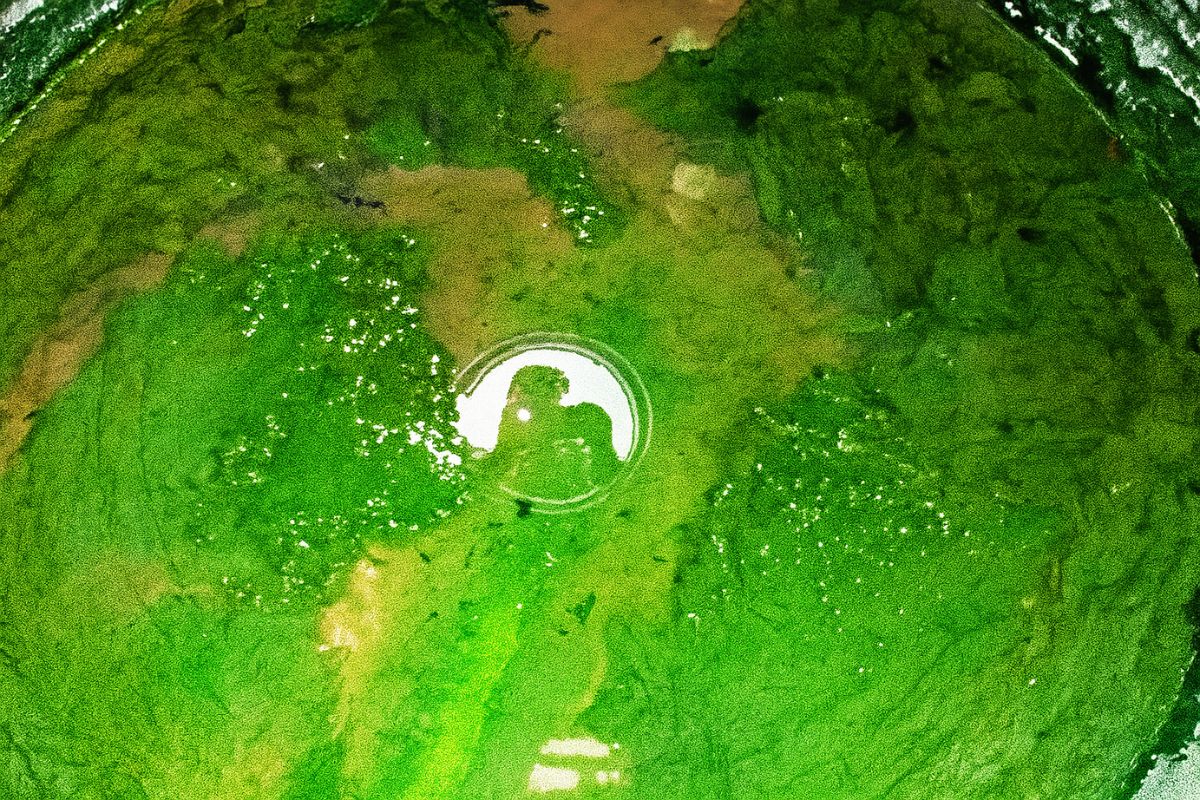
- Algae and Mold: Algae growth is common in tanks exposed to sunlight, especially those made of transparent or light-colored materials. While not all algae are toxic, some blue-green algae (cyanobacteria) can produce harmful toxins. Algae can also affect water taste, odor, and clog filters. Mold thrives in the dark, damp interior, and both provide food for more dangerous bacteria.
2. Physical and Organic Impurities
These are the solid materials that make water appear dirty and create a habitat for microbes.
- Sediment, Silt, and Sludge: Dust, sand, and dirt from rooftops, boreholes, or municipal water supply settle at the bottom. This sludge layer affects water clarity, protects bacteria from disinfection and can clog pipes.
- Debris: Leaves, twigs, bird nests, and dead insects can enter through unsealed lids, decomposing and fouling the water.
- Rust and Corrosion: In older metal tanks or pipes, rust can flake off, turning water reddish-brown and giving it a metallic taste. Heavily corroded tanks can harbor bacteria in their rough surfaces and potentially leach harmful heavy metals into the water.
- Insects and Larvae: Poorly sealed tanks become breeding grounds for mosquitoes, which can carry diseases like malaria and dengue fever.
3. Chemical Water Contaminants: The Hidden Dangers
Chemical pollutants can change the safety and taste of your water. Harmful chemicals found in water include heavy metals like lead and mercury, industrial chemicals like PFAS, pesticides, and disinfection byproducts such as chlorine and chloramine. These dissolved substances may be invisible but can cause long-term human health and environmental problems.
- Heavy Metals (Lead, Copper): Can leach from old plumbing, solders, or certain types of roofing materials. Some plastic tanks can leach chemicals like BPA, and certain pipe linings (e.g., coal tar) can leach polycyclic aromatic hydrocarbons (PAHs). Long-term exposure is linked to neurological and developmental problems.
- Pesticides and Herbicides: Agricultural runoff can contaminate rainwater harvesting systems.
- Disinfection Byproducts (THMs): These form when chlorine, used for disinfection, reacts with organic matter (like decaying leaves) to form byproducts like Trihalomethanes (THMs), which have been linked to long-term health concerns.
- Nitrates: Often from fertilizers or sewage, these are especially dangerous for infants and can cause “blue baby syndrome.”
- Industrial Pollutants & Volatile Organic Compounds (VOCs): Runoff from industrial areas, accidental spills or even leaching from certain non-food-grade plastic tanks can introduce a variety of chemicals, including PFAS (Per- and polyfluoroalkyl substances)and volatile organic compounds (VOCs).
If you suspect or confirm that your drinking water is contaminated with harmful chemicals, immediately contact your local water authorities responsible for the water source, health department or the supplier for municipal water to report the issue and arrange for testing options, and potential solutions.
How Can You Prevent Water Tank Contamination?
To ensure a safe and reliable water supply, protecting your water tank from contamination requires a proactive approach. This is best achieved through diligent water tank maintenance, proper system design and treatment methods.
Step 1: Start with a Secure Tank Foundation & Installation
A secure tank is the first barrier against contaminants.
- Choose the Right Tank Material: Select a tank made of food-grade, UV-stabilized plastic (HDPE). Dark-colored tanks are best, as they block the sunlight that encourages algae growth.
- Seal All Openings: Your tank must have a tight-fitting, lockable, insect-proof lid. Fit all inlets, outlets, and overflow pipes with fine mesh screens to block debris, insects, and rodents.
- Install a First-Flush Diverter: For rainwater harvesting, this clever system diverts the initial dirty rainwater (which collects contaminants from the roof) away from the tank, allowing only cleaner water to enter.
Step 2: Schedule Regular Professional Cleaning
For clean, safe water, you must regularly clean your tank.

How often should a water tank be cleaned in Kenya?
Water tanks should generally be cleaned every 6-12 months for residential use and every 3-6 months for commercial or industrial use. However, the specific water tank cleaning frequency can vary based on usage, water source, and environmental factors. Tanks that are exposed to more contaminants, like those using rainwater or borehole water, or those in warm climates, may need cleaning more frequently.
A professional water tank cleaning service like KiTank Cleaning follows a proven process that a simple DIY rinse cannot match. Their certified technicians use high-pressure washers and KEBS-approved, cleaning solutions to safely remove all sediment, algae, biofilm, and bacteria. This ensures the tank is not just visibly clean but microbiologically safe.
Step 3: Test Your Water Quality Periodically
How do you know if your water is truly safe? The only way to be certain is to have it tested by a certified laboratory. While visual inspection, taste, and smell can offer clues about potential contamination, they are not reliable indicators of all harmful germs or chemicals. Home testing kits can be helpful for a preliminary assessment, but lab testing provides the most accurate and comprehensive results.

Test your water immediately if you notice a change in its taste, smell, or color, or after a major storm. A certified lab can confirm if your water meets the standards set by the Kenya Bureau of Standards (KEBS) and NEMA’s Water Quality Regulations, 2006. This testing identifies hidden contaminants and gives you peace of mind.
Step 4: Add a Final Layer of Defense
Add layers of protection to ensure water quality at the tap.
Filter and Purify Your Water for Daily Use
- Inlet Filters: These simple filters stop leaves and large debris from entering the tank and reduce build-up of sediment.
- Point-of-Use Filters: For the best drinking water, install a filter at your kitchen tap. An activated carbon filter improves taste and odor, while a reverse osmosis system offers more complete purification.
- UV Purifiers: Ultraviolet (UV) light systems kill bacteria and viruses effectively without using chemicals. UV systems in Kenya can start from around Ksh 10,000.
A Note on Emergency Disinfection with Chlorine
In an emergency, you can disinfect water with plain, unscented household bleach (sodium hypochlorite). However, use it carefully, as too much chlorine can lead to disinfection byproducts. For general water disinfection, a common method is to add one part of this chlorine solution to 100 parts of the water being treated. Chlorine tablets are readily available in Kenya, typically costing Ksh 200–500 per pack. Remember that chlorine is less effective against certain protozoa like Cryptosporidium.
Don’t Guess, Test & Clean Professionally
Regularly cleaning and maintaining your water tank is a vital health practice. Now that you understand the common contaminants—from invisible bacteria to harmful chemicals—you can take decisive action to protect your water supply.
Committing to these four practices will ensure your water is safe for all your needs:
- Regular professional cleaning and inspection
- Smart tank design and installation
- Effective filtration and treatment
- Periodic water quality testing
Do not wait for signs of contamination or compromise on your family’s health. Proactive maintenance is your best defense.
To ensure the health of your family and the longevity of your water system, trust the experts. KiTank Cleaning Services offers certified, reliable, and professional water tank cleaning across Kenya. Contact us today to ensure your water is safe, clean, and clear.
Frequently Asked Questions (FAQ)
For standard residential tanks (1,000 to 5,000 litres), professional cleaning costs between KSh 4,000 and KSh 9,000. The final price depends on the tank’s size, its accessibility, and the level of contamination. Reputable companies like KiTank Cleaning Services offer a free inspection and a transparent quote beforehand.
What are the signs of a contaminated water tank?
Look for these warning signs:
- Discolored Water: The water from your tap appears cloudy, brown, or yellow.
- Strange Taste or Odor: The water tastes earthy or metallic, or smells unpleasant.
- Visible Debris: You notice sediment or dirt in your water or at the bottom of the tank.
- Unexplained Illness: Household members experience recurring stomach problems or skin irritation.
Is it safe to drink collected rainwater?
Rainwater is not necessarily safe to drink without proper treatment. It collects contaminants like dust, bacteria, viruses, parasites, and chemicals from your roof and the air, making it unsafe for consumption in its raw form. To make it safe for drinking, you must use a proper system that includes a first-flush diverter, filters, and a method of disinfection like boiling or a UV purifier.
Can I clean my water tank myself?
While you can perform a basic DIY cleaning on a small, lightly contaminated tank, professional cleaning is strongly recommended for safety and effectiveness. Companies like KiTank Cleaning Services have the specialized equipment to safely enter and thoroughly scrub the tank, remove all sludge, and disinfect the surfaces with non-toxic agents, ensuring no harmful residues are left behind. They are also trained to work safely in confined spaces.
