

The water from your tap looks perfectly clear, so your tank must be clean, right? It’s a reasonable thought, but this common belief could be putting your family’s health at risk. Here in Kenya, many of us rely on stored water, but we often operate under dangerous misconceptions that create a false sense of security. Unfortunately, this can lead to preventable waterborne diseases, which remain a prevalent threat in our communities.
This article isn’t about scaring you—it’s about empowering you. We’ll debunk common myths about what can genuinely contaminate a water tank, helping you understand the real risks lurking in a seemingly clean tank. By uncovering the truths, you can take control of your water quality and implement the right measures for true water tank safety, guaranteeing your family has clean drinking water.
Let’s separate fact from fiction.
Myth 1: “If My Water Looks, Smells, and Tastes Fine, It’s Safe.”
This is perhaps the most widespread—and most dangerous—misconception about clean water. We are taught to trust our senses, but when it comes to water safety, what you can’t see, smell, or taste can hurt you the most. Relying on sensory checks alone is a gamble with your health.
The Reality: The Most Dangerous Contaminants Are Invisible
The hard truth is that microscopic pathogens are the primary cause of waterborne illnesses like cholera, typhoid, and dysentery, and they are completely undetectable by our senses.
- Microscopic Pathogens: Bacteria like E. coli and Salmonella, protozoa like Giardia, and various viruses can thrive in your water tank without changing the water’s appearance, taste, or smell.
- Dissolved Chemicals: Water from sources like boreholes can contain dissolved chemicals, such as nitrates or heavy metals from ground pollution. These are also tasteless and odourless but pose long-term health risks.
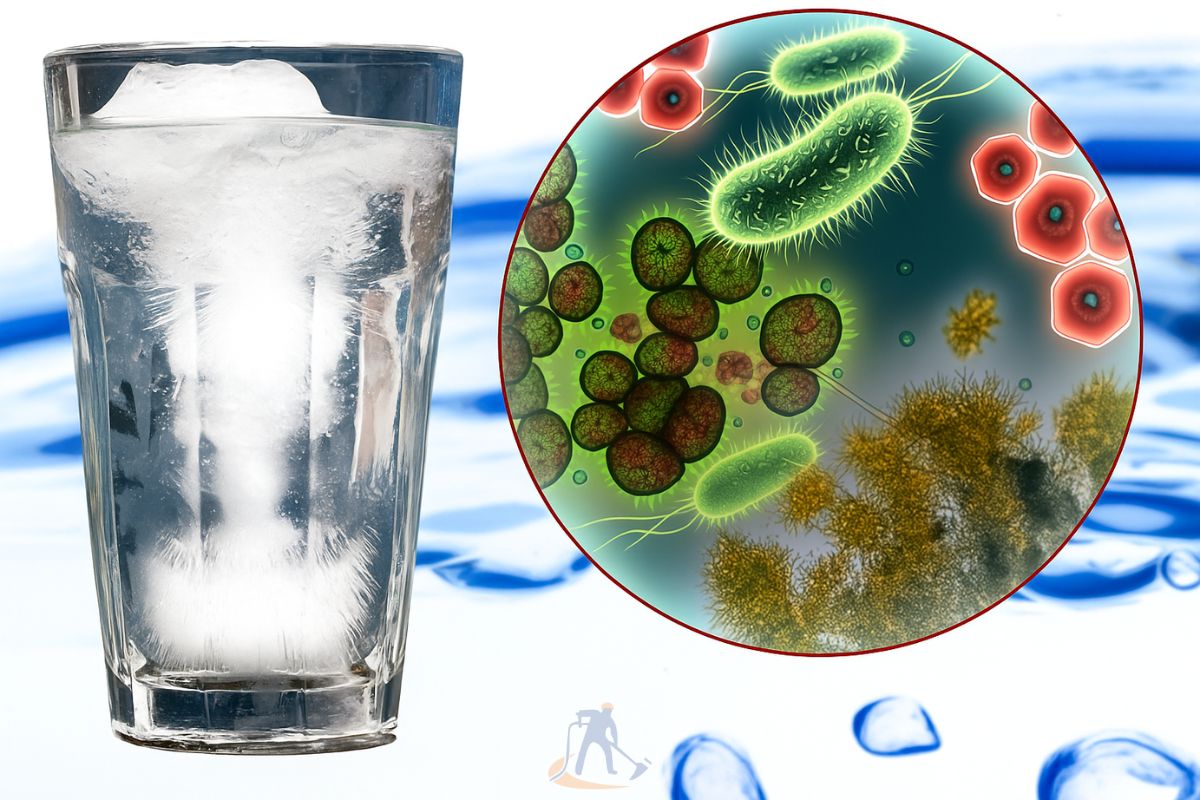
By the time you notice a foul smell (like rotten eggs from hydrogen sulfide) or see visible algae, a serious contamination problem has already been festering. The biofilm that hosts these bacteria is well-established.
A clear water tank is not necessarily a clean one. The only way to truly confirm water safety is through professional water quality testing, which analyzes for these unseen threats.
What’s Lurking in Your Water Tank? Silent Threats
Here’s a breakdown of common invisible threats found in water tanks:
| Contaminant Type | Examples | Potential Health Risks | Detectable by Senses? |
| Bacteria | E. coli, Legionella, Salmonella | Gastrointestinal illness, Pneumonia | No |
| Protozoa | Giardia, Cryptosporidium | Diarrhea, Dehydration | No |
| Viruses | Norovirus, Rotavirus | Stomach Flu, Vomiting | No |
| Chemicals | Pesticides, Nitrates, Lead | Neurological damage, Cancer risk | Rarely |
But even with a clean source, the danger often starts from within…
Myth 2: “My Water Tank is Sealed, So It Can’t Get Contaminated.”
There’s a common belief that a tight lid is all you need to protect the water inside a tank. This creates a “false sense of security”, ignoring the multiple ways contamination can occur even in a seemingly sealed system.
The Reality: Contamination Has Many Entry Points
Unfortunately, even a seemingly sealed water tank has multiple potential entry points for contaminants, both external and internal, that can compromise your water quality supply over time.
- Pests, Cracks, and Vents: Even the smallest gaps are an open invitation. Unscreened vents and overflow pipes can allow dust, insects, bird droppings, and even small rodents to enter and contaminate your water. Over time, both plastic and concrete tanks can develop hairline cracks from sun exposure or shifting foundations, creating subtle entry points for pollutants. This is why regular tank inspections are a crucial part of water tank maintenance.
- The Water Source Itself: The source water—whether from boreholes, municipal supply, or rainwater harvesting—introduces sediment, algae spores, and bacteria from the very beginning. This is how biofilm starts, with microscopic bacteria entering with the water and attaching to the tank’s inner walls
- Rainwater isn’t Pure: Rainwater may seem pure, but it collects pollutants from the air before washing over your roof and through your gutters, carrying bird droppings, decaying leaves, dust, and roofing residue directly into your tank. To ensure safety, especially for drinking water, it is essential to follow guidelines for safe rainwater harvesting; however, this does not eliminate the need for regular cleaning and maintenance.
Even when contaminants get in, many people believe a little buildup is natural. This couldn’t be more wrong.
Myth 3: “A Little Bit of Algae, Slime, or Rust is Harmless.”
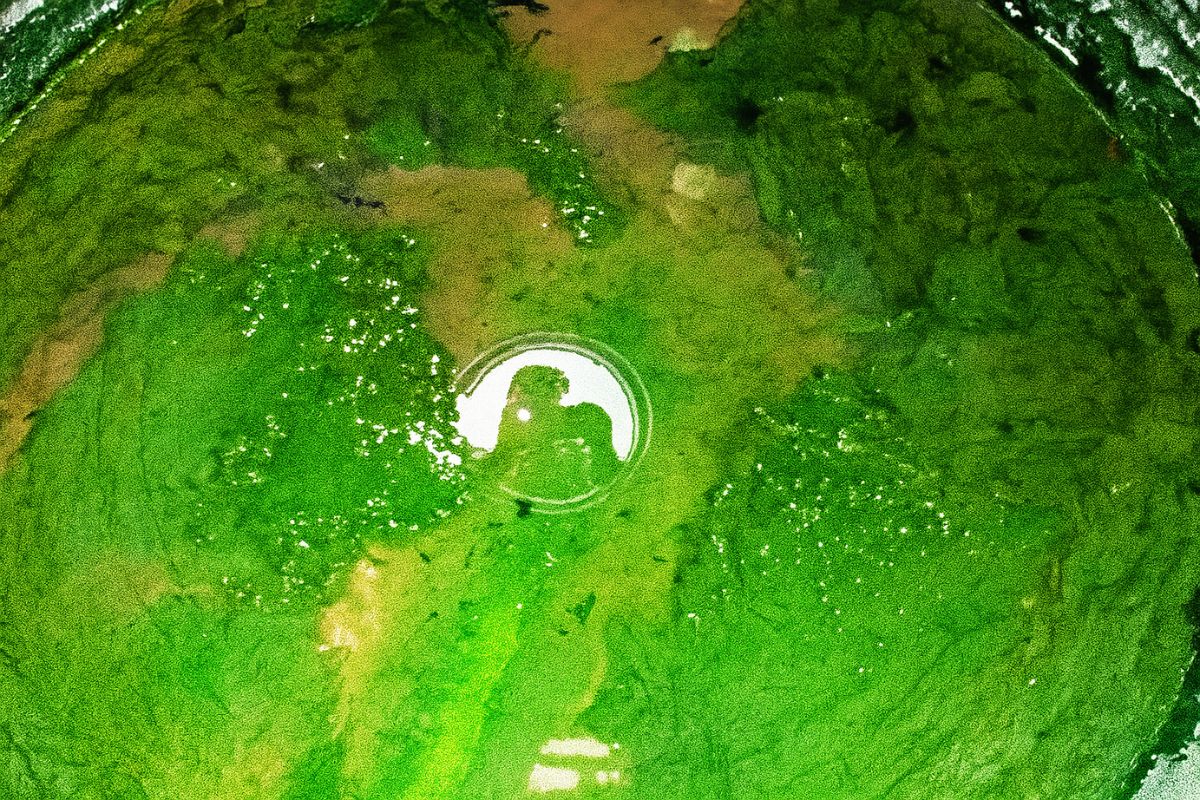
Seeing a bit of green or brown buildup inside a water tank can seem like a normal part of its lifecycle. Many homeowners dismiss it as a harmless natural occurrence. However, this visible grime is a clear warning sign that your water system is compromised and has become a breeding ground for dangerous pathogens.
The Reality: Visible Grime is a Welcome Mat for Pathogens
That “natural” buildup is an ecosystem that actively supports harmful microorganisms and indicates your tank is failing.
- Algae: While not always toxic itself, algae acts as a food source for harmful bacteria, allowing them to multiply rapidly. Decaying algae can also deplete oxygen in the water, creating foul tastes and smells and shielding dangerous pathogens from disinfectants like chlorine. Its growth indicates sunlight exposure or an excess of nutrients in your water, pointing to underlying water tank problems that need to be addressed.
- Slime: That slippery slime coating the inside of your tank is not just dirt—it’s a mature biofilm. This complex colony of microorganisms is a well-established breeding ground for bacteria like Legionella and E. coli.
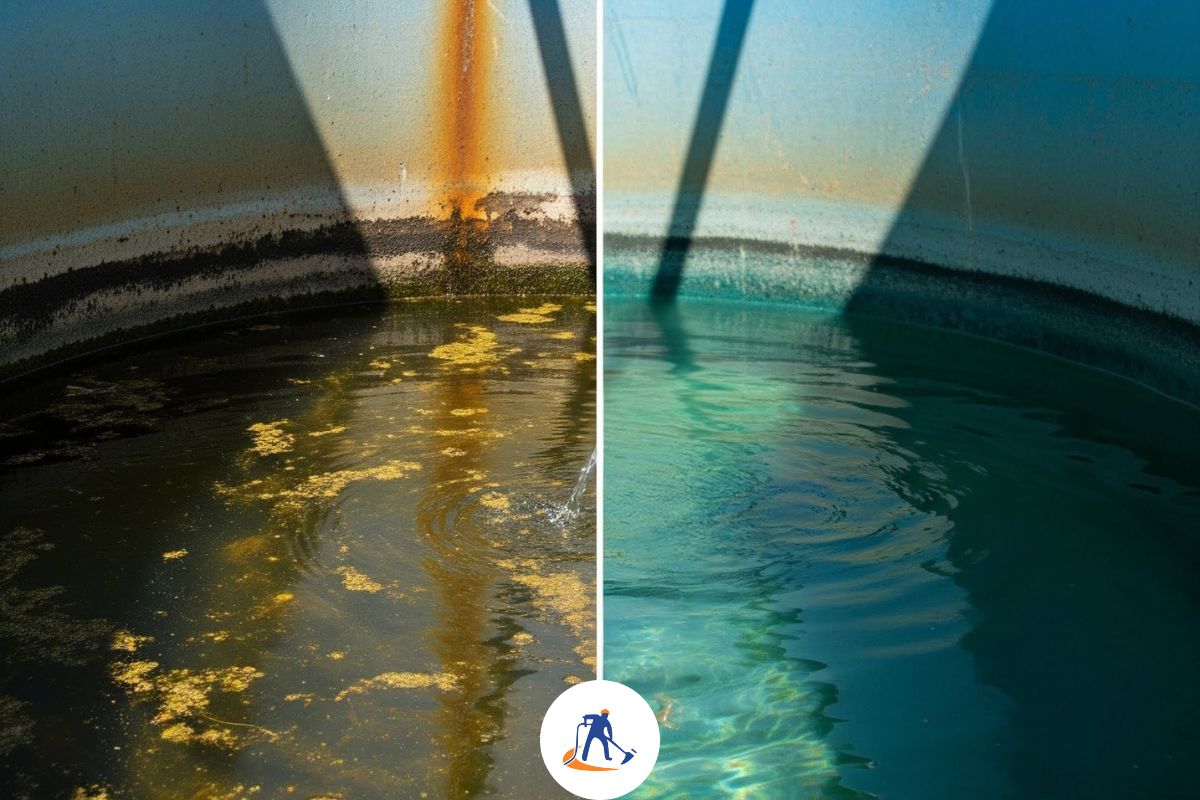
- Rust: Rust in your water not only affects the taste and stains laundry but also indicates that your tank is degrading. The porous surface of rust can harbour bacteria, and tank corrosion can create new cracks for contaminants to enter.
These issues never resolve on their own; they worsen over time, significantly compromising water quality and shortening your tank’s lifespan. Only a professional cleaning removes this harmful buildup effectively.
Faced with this buildup, many people reach for a bottle of Jik or bleach, leading to our next dangerous myth…
Myth 4: “DIY Cleaning with Bleach/Jik Is an Effective Cleaning Method.”
One of the most dangerous myths is that a DIY water tank cleaning with harsh household chemicals like bleach or Jik (a commercial chlorine-based cleaner) is an effective and sufficient solution. While it may be cheap and accessible and may give a sense of proactivity, it is actually one of the most ineffective and riskiest things you can do.
The Reality: Disinfecting Isn’t the Same as Cleaning
There is a critical difference between sanitizing and truly cleaning your tank:
- Ineffectiveness: Chlorine disinfects water, but it DOES NOT remove the physical sludge, rust, and biofilm where bacteria hide and multiply. Effective cleaning requires physically scrubbing and removing the accumulated grime before disinfection can work.
- Safety Risks: DIY cleaning is hazardous. Mixing chemicals improperly can create toxic gases, while using too much bleach leaves a harmful residue in your drinking water. Entering a confined space like a water tank without proper training also poses a serious physical risk.
- The Filter Fallacy: A point-of-use filter at your tap is a secondary safeguard, not a replacement for a clean water source. A heavily contaminated tank will quickly overwhelm and clog filters, rendering them ineffective. This also wastes money on frequent filter replacements.
This leads to the final myth, which is often an excuse for inaction…
Myth 5: “Tank Cleaning is an Unnecessary Expense You Only Do Every Few Years, or Never.”
For many, professional water tank cleaning seems like an optional expense, something you only need to do if you notice a major problem. This belief ignores how quickly sediment, slime, and biofilm can build up, especially with borehole water or intermittent municipal supplies common in Kenya.
The Reality: Regular Cleaning is a Small, Essential Investment in Your Health
Proactive cleaning isn’t an expense; it’s a non-negotiable investment in your family’s well-being and a preventative measure against costly future problems.
Health standards recommend professional cleaning every 6 to 12 months. Biofilm can establish itself much faster than people realize. Waiting years between cleanings allows dangerous levels of contaminants to accumulate. The water tank cleaning frequency depends on your water source and environment, but it should be at least an annual task.
The cost of one professional cleaning service is minimal compared to the potential consequences of neglect.
Cost comparison: Preventative cleaning vs. reactive expenses (Ksh)
| Category | Typical Cost (KSh) | Notes |
| Professional Water Tank Cleaning | 1,500 – 10,000+ | A preventative measure that removes sediment and disinfects the tank. |
| Treatment for Cholera/Typhoid | 10,000+ | Per case, including medication and doctor’s visits. |
| Plumbing Repairs from Sediment | 10,000 – 50,000+ | Clogged pipes from sediment can lead to expensive pipe replacements. |
Investing in professional cleaning and maintenance is more affordable than dealing with the aftermath of water contamination. Neglecting sanitation can lead to illness and extensive damage, carrying a higher financial burden.
Now that these dangerous misconceptions are busted, what is the clear reality? The only way to be certain your water is safe is to move from guesswork to professional assurance.
The Professional Solution: The Only Way to Guarantee Water Safety
We’ve seen that relying on our senses, a “sealed” lid, or a splash of Jik is dangerously ineffective. The clear and responsible choice is to hire a professional service.

The KiTank Professional Water Tank Cleaning Process
A reputable service like KiTank goes far beyond a simple rinse. Our professional cleaning process is a safe, systematic, multi-step procedure designed to eliminate contaminants at their source:
- Safe Draining: We safely drain the tank, managing the water to avoid waste or property damage.
- Sludge Removal: We physically remove all the accumulated sludge, sediment, and debris from the tank’s walls and base.
- High-Pressure Scrubbing: We use specialized high-pressure jets to scrub the tank’s internal walls, completely removing the stubborn biofilm that DIY methods leave behind.
- Safe Disinfection: After physical cleaning, we apply industry-approved, non-toxic disinfectants to eliminate any remaining bacteria, viruses, and other pathogens.
- Final Flushing & Refill: The tank is thoroughly flushed to remove all cleaning agents, leaving you with a truly clean and safe container ready for fresh water.
The ultimate benefit of a professional water tank cleaning service in Kenya, like KiTank Cleaning, is priceless: peace of mind and guaranteed safety for your family’s drinking, cooking, and bathing water, while also preventing damage to pipes and extending the tank’s lifespan.
Conclusion: Don’t Guess with Your Family’s Health
We’ve debunked the most common and dangerous water tank contaminant myths:
- Myth: Clear water is safe water. Reality: Most dangerous contaminants are invisible.
- Myth: A sealed tank is immune to contamination. Reality: Vents, cracks, and source water are common entry points.
- Myth: Algae/slime/rust is natural and harmless. Reality: They are breeding grounds for pathogens and indicate tank degradation.
- Myth: DIY cleaning with Jik is good enough. Reality: Disinfecting isn’t cleaning; physical removal of grime is essential and DIY is risky.
- Myth: Cleaning is an unnecessary expense. Reality: It’s a small, essential investment in preventing costly illnesses and repairs.
Your family’s health is your top priority. Don’t leave the safety of your water to chance, guesswork, or dangerous myths. Stop taking chances and move from asking “is my tank clean?” to ensuring “is my water safe?”.

If you’re concerned about the quality of your stored water, it’s time to act. Contact KiTank Cleaning today for a free water tank cleaning quote and schedule professional water quality testing in Kenya and a comprehensive water tank inspection. Our certified technicians use safe, effective methods to remove the hidden dangers in your tank.
Get water you can finally trust.
Call or WhatsApp us now at 0729 735 245 or fill out our online form to book your service.
