
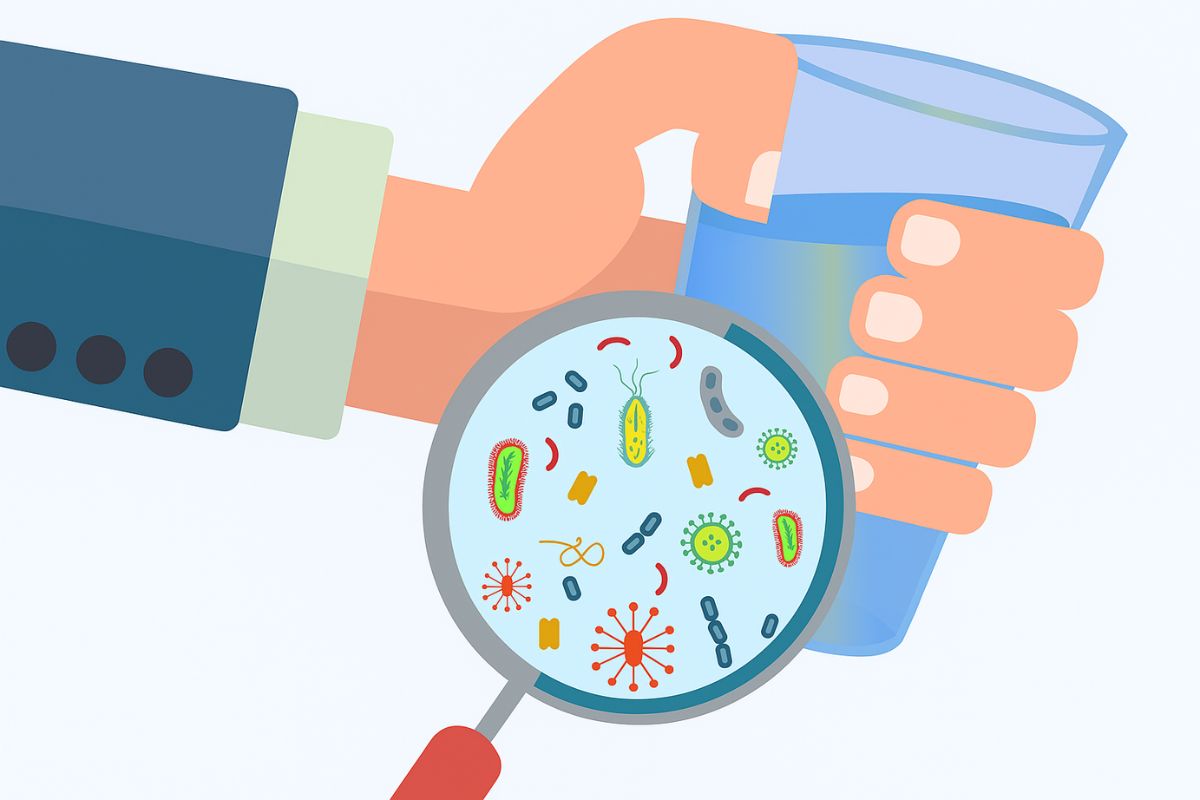
Water is essential for life, but unfortunately, it can also be a hidden pathway for disease. In Kenya, access to safe, clean water remains a significant challenge for many communities, making waterborne illnesses a persistent public health concern. These diseases, caused by pathogenic microorganisms transmitted through contaminated water, pose a serious threat to individual well-being and place a considerable burden on healthcare systems.
Understanding the common waterborne diseases prevalent in Kenya, how they spread, and crucially, how to prevent them, is vital for safeguarding your health and that of your family.
Causes and Transmission of Waterborne Diseases in Kenya
The main route of transmission is the fecal-oral route: pathogens from the feces of an infected person or animal contaminate water sources, and when other people consume that water, they can become infected. These diseases persist in Kenya due to a combination of interconnected challenges:
- Inadequate WASH Infrastructure: In many rural and informal urban areas, access to safe drinking water and proper sanitation facilities is limited, creating a direct pathway for fecal-oral transmission.
- Contaminated Water Sources: Rivers, lakes, and even boreholes can be contaminated by sewage, industrial waste, or agricultural runoff.
- Climate Change Impacts: Extreme weather events like floods and droughts can damage water infrastructure and contaminate clean water sources, disrupting safe access for entire communities.
- Socio-economic Challenges: Poverty can limit a household’s ability to afford safe water and sanitation, while rapid, unplanned urbanization strains existing services.
Did you know? Globally, diarrhea is a leading cause of death in children under five, with unsafe drinking water being a primary contributor, accounting for over 80% of these deaths, according to the World Health Organization (WHO).
Common Waterborne Diseases in Kenya
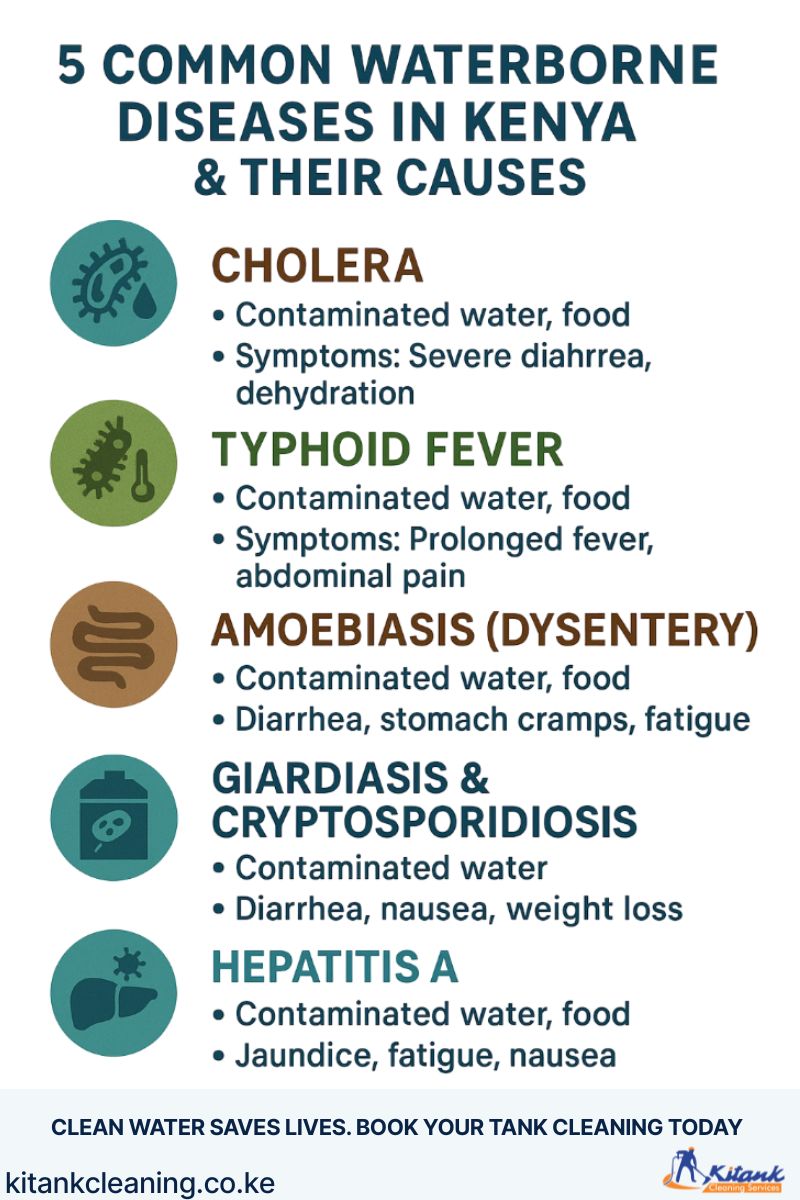
Here are some of the most prevalent waterborne diseases in Kenya:
1. Cholera
Cholera is an acute, severe diarrheal infection caused by the Vibrio cholerae bacterium. It primarily affects the intestines, leading to rapid and extreme fluid loss.
How it Spreads
Primarily through drinking water or eating food contaminated with cholera bacteria, often linked to poor sanitation and hygiene. Floods, common during Kenya’s rainy seasons, can exacerbate outbreaks by contaminating water sources.
Symptoms:
- Profuse, watery diarrhea (often described as “rice water” stool).
- Vomiting.
- Rapid dehydration, which can be life-threatening if untreated.
- Leg cramps, thirst, irritability, and restlessness.
2. Typhoid Fever
Typhoid fever is a serious bacterial infection caused by Salmonella Typhi. It’s a systemic illness characterized by a high fever and impacts multiple organs.
How it Spreads
Ingestion of food or water contaminated with Salmonella Typhi, often from the feces or urine of infected individuals. Uncleaned water tanks can harbor the bacteria, especially if filled with contaminated water or if pests carrying the bacteria gain access.
Asymptomatic carriers can also spread the disease. Poor sanitation, particularly in rural settings, contributes significantly to its spread.
Key Symptoms
- A high, sustained fever that can reach 40°C (104°F).
- Severe headache and body aches.
- Stomach pain, often with constipation or diarrhea.
- Some people may develop a rash of small pink spots (“rose spots”).
3. Viral Hepatitis A
Hepatitis A is a contagious liver infection caused by the hepatitis A virus (HAV), often transmitted through contaminated water sources in Kenya.
How it Spreads
Primarily through the fecal-oral route, when a person ingests something contaminated with the feces of an infected individual. Poor sanitation, improper handwashing, and close personal contact can facilitate transmission.
Symptoms
- Jaundice (yellowing of the skin and eyes).
- Loss of appetite, nausea, and vomiting.
- Fatigue.
- Dark urine and light-colored stools.
- Abdominal pain, fever, and joint pain.
Note: Many children may not show any symptoms, while adults are more likely to experience severe illness.
4. Giardiasis
Giardiasis is an intestinal infection caused by the microscopic parasite Giardia lamblia. It’s a common cause of diarrheal illness globally, including in Kenya.
How it Spreads
Ingestion of Giardia cysts from contaminated water (drinking water, recreational water like pools, lakes), contaminated food, or direct person-to-person contact through poor hygiene.
Symptoms
- Watery, foul-smelling diarrhea that may float.
- Abdominal cramps and bloating.
- Nausea and loss of appetite, leading to fatigue and potential weight loss.
- Excessive gas and flatulence.
- Some individuals may be asymptomatic.
5. Dysentery: Amoebic & Bacterial
Dysentery is not a single disease but a syndrome characterized by severe diarrhea often containing blood or mucus, accompanied by abdominal pain and fever. Dysentery is primarily caused by two types of microorganisms: a parasite (Entamoeba histolytica) and a bacterium (Shigella).
- Amebiasis (Amoebic Dysentery): Caused by the single-celled parasite Entamoeba histolytica.
- Shigellosis (Bacillary Dysentery): Caused by one of several types of Shigella bacteria.
How Dysentery Spreads
Regardless of the cause, both amebic and bacillary, primarily spreads through the fecal-oral route, meaning contact with contaminated feces. Transmission occurs through various means, including consuming contaminated food or water, poor hygiene practices, and even sexual contact.
Common Symptoms of Dysentery
- Severe Diarrhea: Frequent, watery stools that contain visible blood or mucus.
- Abdominal Pain: Intense stomach cramps and pain.
- Fever and Nausea: Often accompanied by vomiting.
- Dehydration: The rapid loss of fluids is a serious risk, especially for children.
While the general symptoms are similar, there are key differences:
- Amebiasis: Many infected people show only mild symptoms or none at all, but they can still pass the parasite to others. In rare, invasive cases, the parasite can travel from the intestines to the liver, causing a life-threatening abscess.
- Shigellosis: This form is often highly contagious and can be caused by ingesting a very small number of bacteria. It is a common cause of epidemic dysentery.
Prevention Strategies Against Waterborne Diseases
Waterborne diseases are not inevitable. They are preventable. Protecting yourself and your community from waterborne diseases requires a multi-faceted approach focusing on safe water access, proper sanitation, and good hygiene practices.
Tier 1. At Home: Your First Line of Defense
Your most powerful work begins in your own household. Focus on these pillars of prevention:
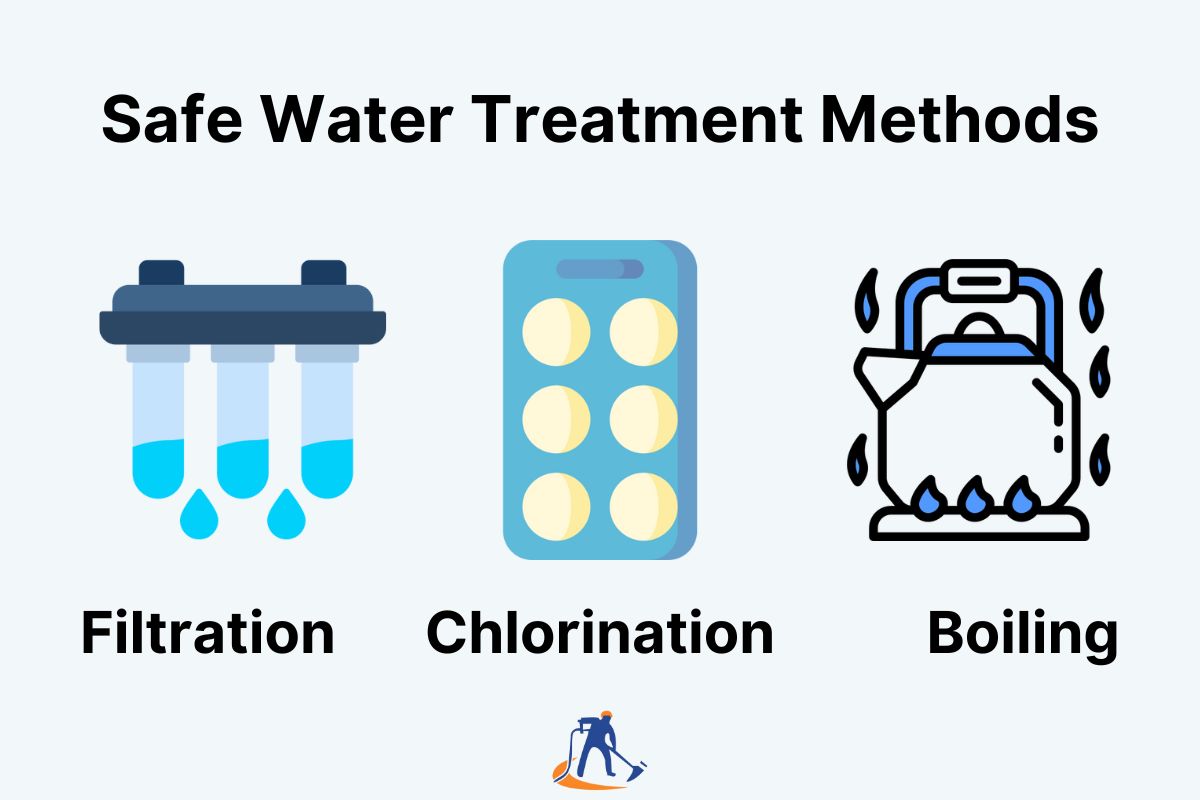
- Make Your Water Safe: Assume all water is unsafe until you have treated it.
- Boil or Treat: Boil all water intended for drinking, and cooking, especially when access to treated water is limited. Alternatively, use a reliable water filter or chemical purification tablets.
- Store It Securely: Keep treated water in a clean, covered container to prevent re-contamination.
- Practice Strict Hygiene:
- Handwashing: Wash hands with soap and clean water often, especially after using the latrine, after changing a diaper, and before preparing or eating food.
- Food Safety: Wash all fruits and vegetables with safe water and cook food thoroughly
Tier 2. In the Community: A Collective Responsibility
- Use and Maintain Latrines: Proper sanitation facilities stop pathogens at their source.
- End Open Defecation: Work with local leaders and neighbors to end the practice of open defecation, which is a primary cause of water source contamination.
- Engage and Educate: Share knowledge about hygiene and safe water practices with your neighbors. Community involvement in building and maintaining sanitation solutions is key to long-term success, especially in high-traffic areas where disease spreads quickly.
Tier 3. Health & Medical Safeguards
Finally, use modern medicine and established health practices to bolster your defenses.
- Get Vaccinated: Ensure your family’s vaccinations are current for preventable diseases like cholera and typhoid fever.
- Promote Breastfeeding: Exclusive breastfeeding for the first six months gives infants powerful protection against diarrheal diseases
The Critical Role of Your Water Tank in Prevention
Your water tank can be a hidden source of disease if not properly maintained. Sediment, sludge, and biofilm can build up, creating a perfect breeding ground for germs like E. coli, Salmonella, and Giardia.
Regular, professional cleaning is the most effective way to guarantee your stored water is safe. For a solution trusted by households across Kenya, consider using a professional service. KiTank Cleaning Services specializes in the thorough cleaning and disinfection of water tanks, removing harmful contaminants and ensuring your water storage system is a source of health, not sickness. Engaging experts provides peace of mind that the job is done right, protecting your family from waterborne threats.
Treatment Options and When to Seek Medical Care
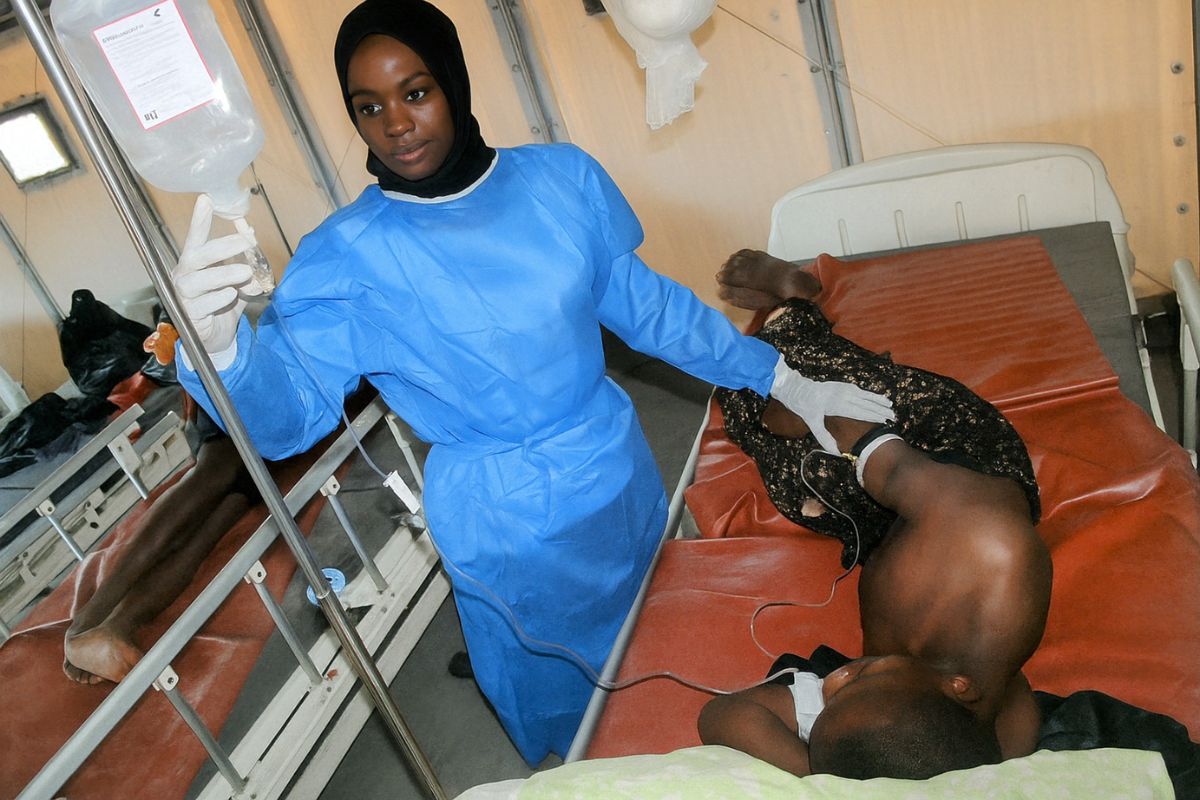
If prevention fails, quick action is key.
How to Treat Waterborne Diseases
Treatment for waterborne illnesses requires rehydration, and in some cases, medication.
For any diarrheal illness, the most critical step is to rehydrate. Use an Oral Rehydration Solution (ORS) available from any chemist or clinic.
When Should You See a Doctor?
While prevention is the goal, immediate medical attention is crucial if you or a family member experience any of the following:
- Bloody diarrhea
- High, persistent fever
- Severe vomiting and inability to keep liquids down
- Signs of dehydration (dizziness, very little urine, sunken eyes)
- Symptoms that do not improve after 48 hours
Infants, young children, pregnant women, the elderly, and those with weakened immune systems are at higher risk of severe complications and should see a doctor at the first sign of illness.
A doctor will diagnose the specific cause and may prescribe antibiotics for bacterial infections like typhoid or antiparasitic drugs for giardiasis. Do not self-medicate with antibiotics without a doctor’s prescription; this can worsen certain infections, or contribute to antibiotic resistance.
Although reaching a clinic can be difficult in some rural areas, various government and private initiatives, including mobile clinics, are working to improve access to healthcare across Kenya.
Your Water Tank: A Shield, Not a Source of Sickness
The fight against waterborne diseases in Kenya is a collective and ongoing effort, but it fundamentally starts with informed personal action within every household. By understanding the common pathogens that threaten our health, recognizing the pathways through which they spread (including contaminated water tanks), and diligently implementing practical prevention strategies, you become a vital and powerful shield for your family’s health and well-being.
Proactive water hygiene, diligent sanitation, and consistent adherence to safe practices are not just recommendations; they are essential safeguards. You now possess the knowledge to take decisive action and significantly reduce the threat of these illnesses.
Don’t let your water tank become a hidden health hazard! Protect your family and community by ensuring your water supply is pristine. For expert water tank cleaning and sanitation services that combat these common waterborne diseases across Kenya, contact KiTank Cleaning today. Let us help you ensure every drop is safe!
