

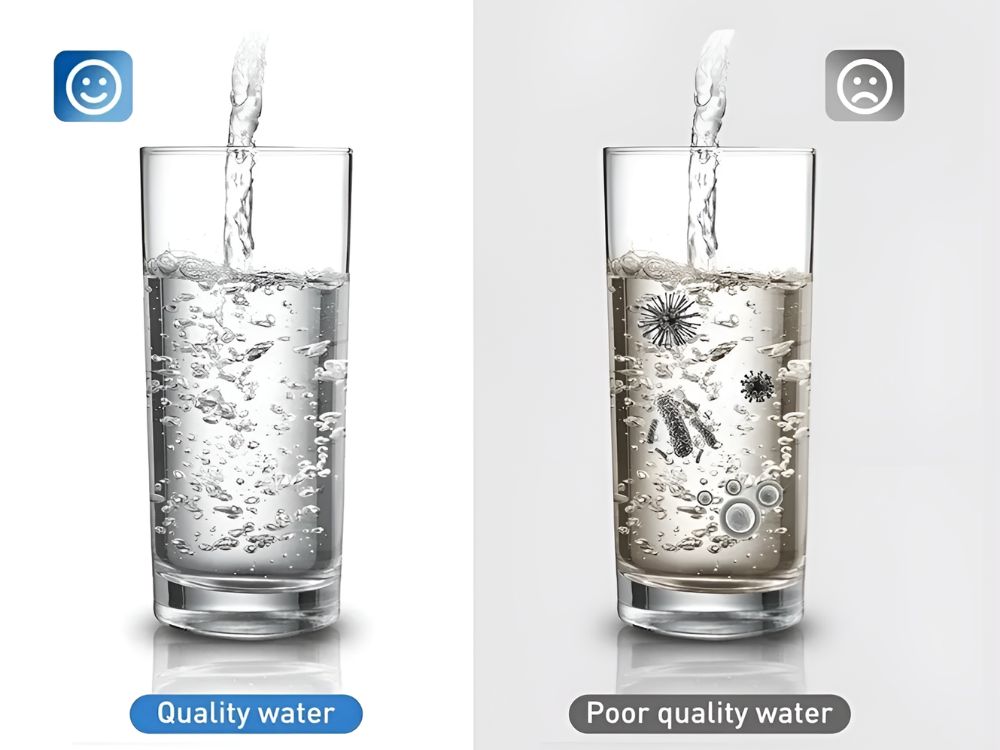
Picture this: You fill a glass from your kitchen tap, expecting clean, refreshing water. But what you don’t see are the invisible contaminants potentially lurking in your water tank. In Kenya, where dusty dry seasons and humid coastal climates create perfect breeding grounds for tank contamination, neglecting regular cleaning can put your family or business at serious risk. Your water tank is the heart of your water supply, yet it’s often forgotten until problems arise—from foul-smelling water to dangerous bacteria, an uncleaned tank can silently compromise your health and operations.
The good news? Understanding the risks and knowing your options, including professional water tank cleaning, ensures safe, clean water for drinking, cooking, and bathing. This guide will explore why cleaning your tank is non-negotiable, the signs it needs attention, the pros and cons of DIY versus professional cleaning, and how our expert team at KiTank Cleaning Services in Nairobi, Mombasa, Kisumu, and beyond delivers spotless results you can trust.
Why Clean Your Water Tank?
Your water tank isn’t just holding water; over time, it can become a collection point for a host of undesirable elements that degrade water quality and pose significant risks.
More Than Just Dirt: The Hidden Contaminants
A variety of contaminants can accumulate in your water tank:
- Sediment & Sludge: Dust from Kenya’s environment or rust from aging pipes settles, clouding water, clogging systems, and becoming a breeding ground for harmful microbes.
- Algae & Biofilm: Plastic tanks, common in Kenya, can allow light penetration, encouraging green algae and slimy biofilm that taint water’s taste and smell.
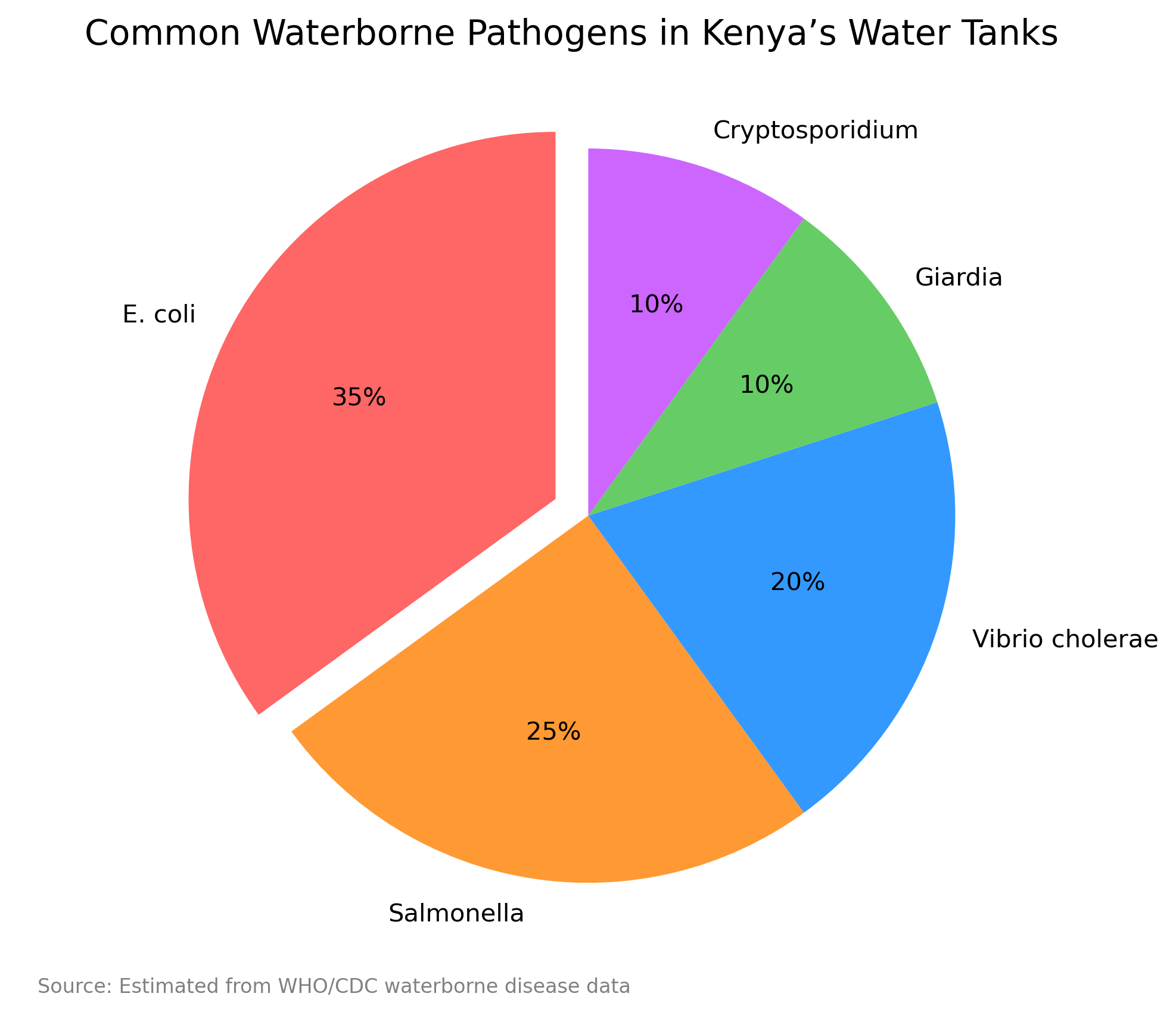
- Bacteria & Pathogens: Invisible yet dangerous microorganisms like E. coli, Salmonella, and Legionella can thrive, leading to waterborne diseases such as cholera and typhoid—both prevalent concerns in Kenya. A study on water refill stations in Nairobi, for instance, detected coliforms in 35.6% of samples, indicating microbial contamination.
- Pests: A poorly sealed tank can become a haven for insects, rodents, or even small animals, further contaminating your water.
Health Risks for Families
A dirty water tank directly endangers the health of your loved ones. Children and the elderly are particularly vulnerable to waterborne diseases like diarrhea and typhoid. In a recent Nairobi case, a family traced persistent stomach issues to a tank infested with biofilm and E. coli—a problem easily preventable with regular, professional water tank cleaning.
The Business Impact: Operational & Reputational Damage
For businesses, the consequences of a contaminated water tank can be severe:
- Restaurants & Food Processors: Contaminated water can lead to food safety violations, customer illness, and irreparable damage to your reputation.
- Hotels & Schools: Poor water quality risks guest or student health, potentially leading to closures or fines under Kenya’s Public Health Act.
- Factories & Industrial Plants: Sediment and biofilm buildup can damage sensitive equipment, leading to increased maintenance costs and operational downtime.
The World Health Organization estimates that waterborne diseases cause approximately 1.5 million deaths annually, many linked to inadequate water storage hygiene. Don’t let your tank be part of the problem.
Protecting Your Water Quality and Tank Lifespan
Regular cleaning doesn’t just ensure water is clear, odorless, and safe; it also maintains its intended taste. Furthermore, removing sludge and residue prevents internal corrosion, prolonging the life of your tank and protecting your investment.
Signs Your Water Tank Needs Immediate Cleaning
Don’t wait for a scheduled cleaning if you notice any of these warning signs. Act promptly if you observe:
- Cloudy, discolored, or murky water.
- An unusual or foul odor (e.g., rotten eggs, earthy, metallic) or an unpleasant taste.
- Reduced water pressure or flow, which could indicate clogged pipes due to sediment.
- Visible algae, slime, or particulate matter on the tank walls (if accessible) or in the water.
- An increase in stomach issues or waterborne illnesses within your household or workplace.
- Pest activity around the tank.
💡 Pro Tip: Proactive cleaning is far less costly than dealing with health issues or equipment damage.
DIY vs. Professional Cleaning– What’s Right for You?
Once you recognize the need for cleaning, the next question is how to approach it.
The Allure and Pitfalls of DIY
Doing it yourself can seem like a budget-friendly option, giving you direct control over the process. It can be feasible for small, easily accessible household tanks if done correctly.
However, DIY cleaning has significant drawbacks and common mistakes:
- Equipment Gap: Standard household tools often can’t match the effectiveness of high-pressure jets used by professionals to dislodge stubborn biofilm and sediment from every nook and cranny.
- Safety Risks: Cleaning a tank can involve confined spaces, slippery surfaces, and exposure to cleaning chemicals. Without proper training and equipment (like PPE and potentially confined space entry gear), you risk injury.
- Incomplete Cleaning & Disinfection: It’s easy to miss hidden corners or fail to achieve full disinfection, leaving behind harmful bacteria that can quickly regrow. A Nairobi homeowner learned this the hard way: after spending a weekend scrubbing their tank, algae returned within weeks due to improper disinfection.
- Using Harsh or Incorrect Chemicals: Strong acids or unapproved cleaners can damage your tank (especially plastic or lined ones) and contaminate your water with harmful residues. Always opt for safe, certified cleaning products.
- Inadequate Rinsing: Failing to rinse thoroughly can leave chemical residues, affecting water taste, safety, and potentially harming users.
- Environmental Concerns: Improper disposal of contaminated sludge and chlorinated water can pollute your property or violate local environmental regulations (NEMA guidelines).
- Time & Effort: A truly thorough cleaning takes significant time and physical effort—resources that might be better allocated elsewhere.
Why Opt for Professional Cleaning?
Professional water tank cleaning services offer distinct advantages:
- Expertise & Experience: Trained technicians understand the nuances of different tank types and contamination levels.
- Specialized Equipment: Professionals use high-pressure washers, industrial vacuums, and appropriate disinfectants for a deep, effective clean.
- Safety First: They adhere to strict safety protocols, including confined space procedures if necessary, and use proper PPE.
- Thoroughness & Guarantee: A professional service is more likely to achieve a complete clean and disinfection, often offering a guarantee of their work.
- Compliance & Proper Disposal: Reputable companies are aware of and adhere to local health and environmental regulations, including KEBS and NEMA guidelines.
- Convenience & Peace of Mind: Outsourcing the task saves you time and effort, providing assurance that the job is done correctly and safely.
The Professional Standard: The KiTank Cleaning Services Advantage
To properly clean a water tank, first, drain and remove any visible debris. Then, scrub the interior with a mild detergent and water, rinse thoroughly, and disinfect with a bleach solution before refilling with fresh water
For a reliable and comprehensive solution across Kenya, KiTank Cleaning Services offers a benchmark in professional water tank cleaning.
Our Proven Water Tank Cleaning Process Includes:
- Initial Assessment: Evaluating tank size, type, accessibility, and level of contamination.
- Safe Draining: Responsibly draining the tank, conserving water where possible.
- Sludge & Debris Removal: Using specialized equipment to remove all sediment and physical contaminants.
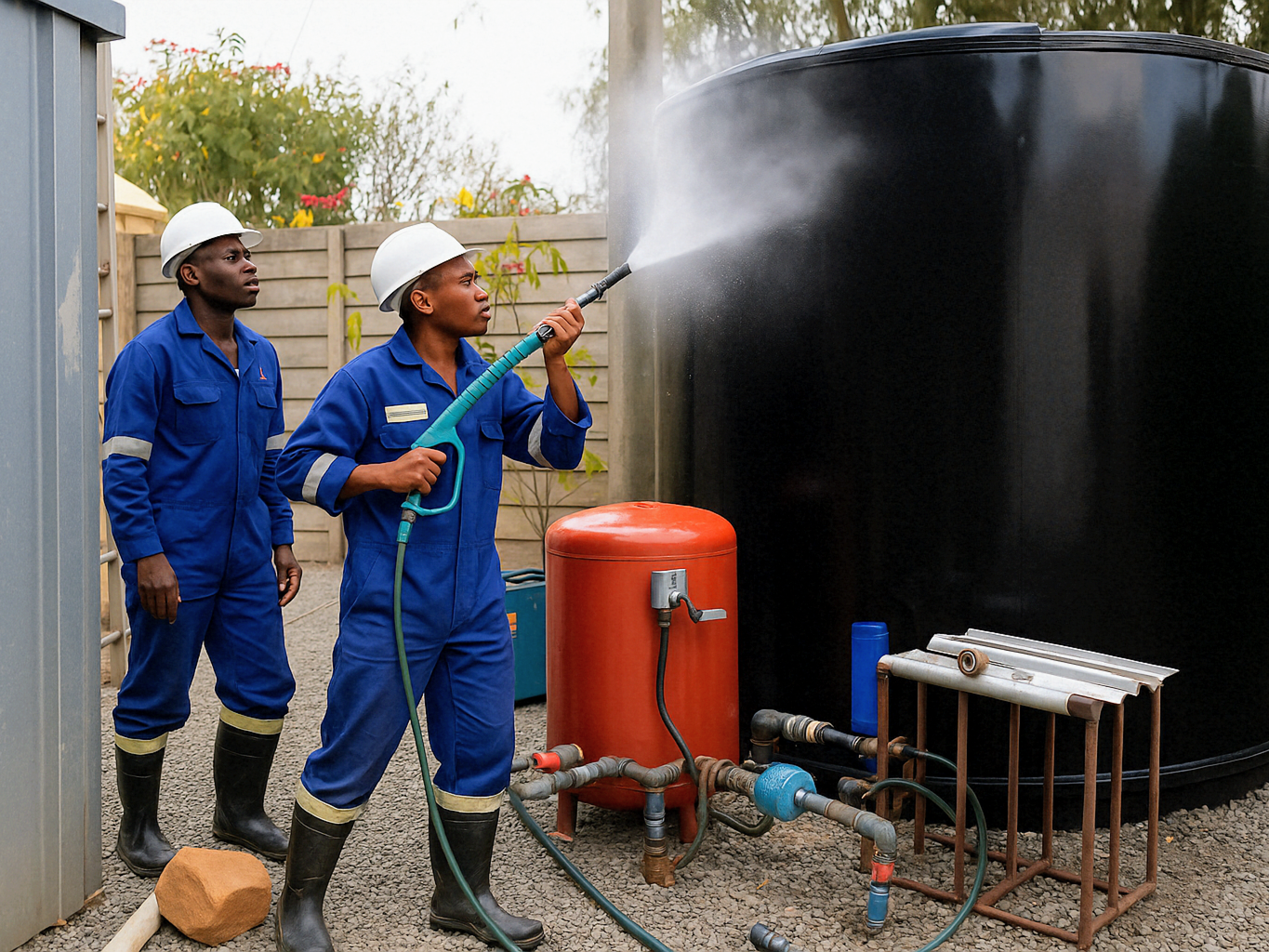
- High-Pressure Cleaning: Thoroughly cleaning all internal surfaces to dislodge biofilm and algae.
- Disinfection: Applying industry-approved, safe disinfectants to eliminate bacteria and pathogens.
- Thorough Rinsing: Ensuring all cleaning agents are removed.
- Responsible Disposal: Managing waste according to environmental guidelines.
- Final Inspection & Refill Guidance.
Our Commitment:
If you are uncomfortable cleaning the tank yourself, or if the tank is very large, difficult to access, or heavily contaminated, consider hiring professional water tank cleaning services. Many companies in Kenya offer these services.
- Experienced Technicians: Our team is well-trained and possesses extensive experience in cleaning all types of water tanks.
- Specialized Equipment: We utilize modern, specialized equipment for efficient and deep cleaning.
- Adherence to Safety Standards: Safety is paramount. We strictly adhere to all relevant safety protocols (including NEMA and KEBS guidelines where applicable) and use appropriate PPE.
- Serving Nairobi and Beyond: Our professional water tank cleaning services are available throughout Nairobi County and other key regions in Kenya, including Mombasa, Kisumu, Eldoret, and major Kenyan towns. Contact us to confirm service availability.
As one satisfied Nairobi client said, “After KiTank Cleaning Services cleaned our hotel’s tank, our water quality improved, and guests noticed the difference!”
Maintaining a Pristine Tank: Frequency and Proactive Care
Regular cleaning is key, but so is ongoing vigilance.
How Often Should You Clean Your Water Tank?
To keep your water consistently safe:
- Residential Tanks: Clean at least twice a year (every six months). If your water source is prone to sediment (e.g., some borehole water) or in very dusty areas, consider cleaning every three to four months.
- Commercial Tanks: For high-usage settings like restaurants, hotels, or schools, clean every 3-6 months to comply with Kenya’s Public Health regulations and ensure patron safety.
- Seasonal Note: In hotter climates or after heavy rains (which can increase debris infiltration from runoff or pest intrusion), more frequent cleaning may be necessary due to accelerated microbial growth.
Download Our Free Tank Maintenance Checklist
Preventive Measures for Long-Lasting Cleanliness
- Secure Tank Lid: Ensure your tank cover is tight-fitting and always in place to prevent dust, leaves, insects, and animals from entering. Inspect it regularly for cracks or damage.
- Inspect Inlet and Overflow Screens: Make sure screens on inlets and overflows are intact to block debris and pests.
- First-Flush Diverter (for Rainwater Harvesting): If you collect rainwater, install a first-flush diverter to prevent the initial, most contaminated runoff from entering your tank.
- Regular Visual Checks: Periodically inspect the area around your tank for leaks, cracks, or signs of pest activity. Check accessible parts of the tank interior if possible.
- Source Water Quality: If feasible, ensure the water entering your tank is as clean as possible. For municipal supplies, this is less of a concern, but for borehole or surface water, pre-filtration can help.
- Schedule Professional Inspections: Consider an annual professional inspection, even if you opt for more frequent DIY cleaning, to catch potential issues early.
Your Path to Safe, Clean Water Starts Now – Book Your Professional Cleaning Today!
A dirty water tank is more than just an inconvenience; it’s a significant health hazard that can affect your family, disrupt your business, and lead to costly repairs or regulatory penalties. Don’t gamble with DIY methods if you’re unsure, and certainly don’t wait for problems to escalate.
Make professional water tank cleaning a non-negotiable part of your property maintenance schedule. Protect your health, your investment, and your peace of mind with expert cleaning from KiTank Cleaning Services. We proudly serve Nairobi, Mombasa, Kisumu, Eldoret, and surrounding areas across Kenya.
Ready for crystal clear, safe water? Contact KiTank Cleaning Services today for a free quote or to schedule your professional water tank cleaning. Contact📞 Call/WhatsApp: 0729735245 📧 Email: kitankcleaning@gmail.com
With our dedicated team and proven cleaning process, pristine water is just a call or click away!
