

Access to clean and fresh water is fundamental, whether it’s for daily drinking, cooking, hygiene, or as a crucial backup during emergencies. When relying on a water storage tank, ensuring the quality of that water is paramount. Contaminated stored water can pose serious health risks and even damage your plumbing systems. This comprehensive guide provides you with the essential tips, tricks, and strategies to maintain a safe, clean, and fresh water supply in your storage tank.

Understanding the Invisible Threat: Water Contamination
Stored water, unlike continuously flowing municipal supplies, is inherently more vulnerable to contamination if not managed correctly. Understanding these threats is the first step towards effective prevention.
Why Stored Water Needs Protection
Water in a tank is static for periods, allowing contaminants to settle and microorganisms to potentially multiply. Without the continuous treatment and movement found in municipal systems, proactive measures are essential.
Key Culprits: Types of Contaminants
- Microbiological Contaminants: These include bacteria (like E. coli, Salmonella), viruses (like Norovirus, Hepatitis A), and protozoa (like Giardia, Cryptosporidium). They often enter through animal or human waste and can cause severe gastrointestinal illnesses and other diseases.
- Chemical Contaminants: These can range from pesticides and herbicides from agricultural runoff, industrial chemicals, heavy metals (like lead or arsenic leaching from components or natural sources), to volatile organic compounds (VOCs). Exposure can lead to long-term health issues, including organ damage and cancer.
- Radionuclides: These are radioactive elements like uranium and radium that can occur naturally in groundwater or result from industrial activities. Prolonged exposure increases cancer risk.
- Physical Contaminants: This category includes sediment, silt, sand, rust particles from corroding tanks or pipes, dust, and organic debris. While not always directly harmful to health, they can affect water taste, odor, and appearance, and can clog pipes and harbor microorganisms.
Common Pathways: Sources of Contamination
Water contamination can occur at any point from the source to your tap. Some of the most common sources of contamination include:
- Environmental Factors: Rainwater runoff collecting pollutants, airborne dust and debris entering through improperly sealed openings, or even insects and small animals gaining access.
- Tank Integrity and Material Issues: Tanks made from non-food-grade materials can leach harmful chemicals. Cracks, corrosion, or improperly sealed lids and vents can provide entry points for contaminants.
- Inadequate Maintenance Practices: Infrequent cleaning can lead to sediment buildup and biofilm formation (a slimy layer of bacteria). Failure to disinfect the tank or using contaminated source water also introduces risks.
Selecting the Ideal Water Storage Tank
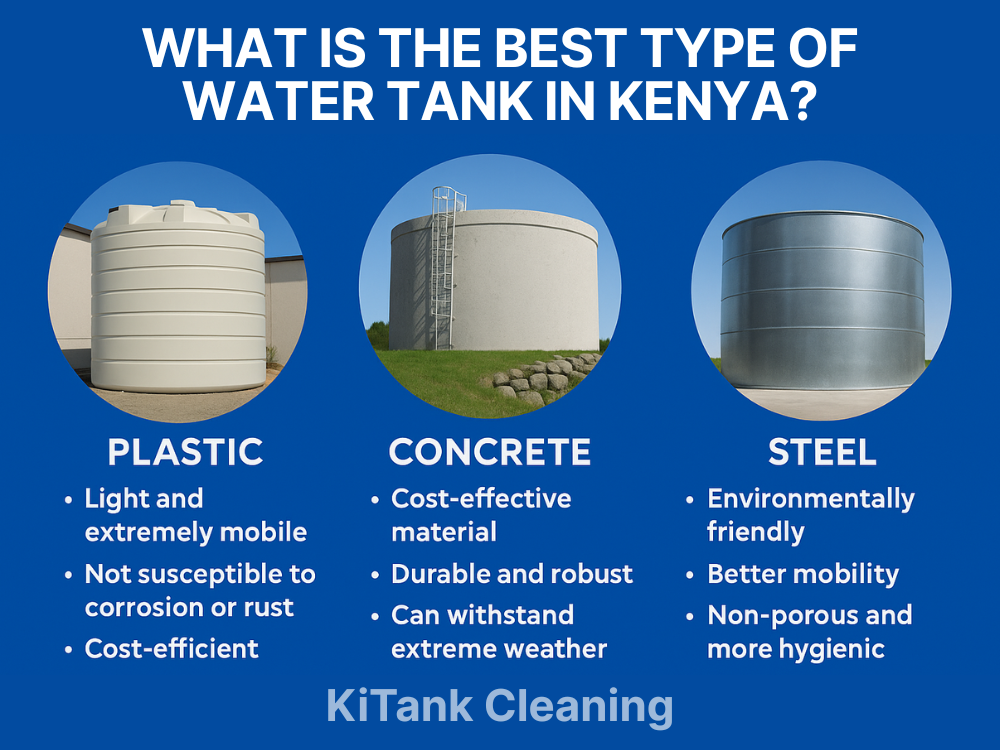
Your choice of storage tank is the cornerstone of maintaining water quality. Consider materials, size, and design features carefully. Below are two key considerations to help you choose the right water storage tank for your needs.
1. Material Considerations
Always opt for tanks made from materials specifically rated as “food-grade” or compliant with standards like NSF/ANSI 61, which ensures they are safe for potable water.
Food-Grade Plastics (HDPE – High-Density Polyethylene, Polypropylene)
- Pros: Lightweight, relatively inexpensive, durable, resistant to rust and corrosion, often opaque or colored to inhibit algae growth.
- Cons: Can be susceptible to UV degradation if not UV-stabilized for outdoor use; some concerns about potential leaching over very long periods or with certain water chemistries (less so with certified tanks).
Fiberglass (FRP – Fiber-Reinforced Plastic)
- Pros: Strong, durable, corrosion-resistant, relatively lightweight for their strength. Can be manufactured in large capacities.
- Cons: More expensive than plastic; interior gel coat can be damaged, potentially exposing fibers if not handled or cleaned carefully.
Concrete
- Pros: Very durable, long-lasting, can be custom-built to large sizes, naturally keeps water cooler.
- Cons: Can be prone to cracking if not properly constructed or on unstable ground; pH of new concrete tanks can affect water (requires proper curing/sealing); porous surface can potentially harbor bacteria if not sealed correctly; heavy and expensive to install.
Steel (Stainless or Coated/Galvanized)
- Pros: Stainless steel is highly durable, non-corrosive, and smooth (easy to clean). Coated or galvanized steel is strong.
- Cons: Stainless steel is very expensive. Galvanized steel can corrode over time if the coating is damaged or if water is corrosive, potentially leaching zinc (or cadmium/lead in older tanks). Requires careful maintenance of coatings.
2. Capacity and Design

- Calculating Required Volume: Consider your daily water consumption per person, the number of people, and the desired number of days of storage (especially for emergency preparedness).
- Above-Ground vs. Underground:
- Above-Ground: Easier and cheaper to install, inspect, and maintain. More susceptible to temperature fluctuations and physical damage if not protected.
- Underground: Protected from extreme temperatures and physical damage, less obtrusive. More expensive and complex to install; inspection and maintenance can be more challenging.
- Essential Design Features:
- Secure, Well-Fitting Lid: Prevents entry of debris, insects, animals, and light (which promotes algae).
- Screened Vents: Allows air exchange as water levels change, while preventing pest entry. Screens should be corrosion-resistant and fine-meshed.
- Drain Valve: Located at the lowest point for complete drainage during cleaning.
- Smooth Interior Walls: Easier to clean and less prone to biofilm attachment.
- Opaque Material (or Dark Color): Blocks sunlight to inhibit algae growth.
TIP: For a detailed comparison of materials and types, see our complete guide on Types of Water Storage Tanks in Kenya
Essential Preventive Maintenance for Clean Water
Preventing contamination is far more effective and safer than dealing with it after the fact. Regular maintenance is key.
Strategic Tank Installation and Placement
- Site Selection: Choose a location that is elevated, well-drained, and away from potential sources of contamination like septic systems, animal enclosures, chemical storage areas, and flood-prone zones.
- Ensuring a Stable Base and Proper Sealing: The tank must sit on a flat, stable base to prevent stress and cracking. Ensure all inlets, outlets, vents, and access points are properly sealed.
Regular Cleaning and Disinfection

- Frequency: Clean and disinfect your tank at least once a year. Increase frequency if you notice sediment buildup, if the water source is of questionable quality, or after any contamination event.
- Step-by-Step Cleaning Guide:
- Safety First: Wear appropriate PPE (gloves, eye protection). Ensure good ventilation if using strong cleaning agents.
- Drain the Tank: Completely empty the tank using the drain valve. Divert drained water away from vulnerable areas.
- Scrub Interior Surfaces: Use a stiff brush or high-pressure washer (if suitable for the tank material) with a mild, food-grade detergent to remove sediment, slime (biofilm), and algae. Avoid abrasive cleaners or tools that could damage the tank lining.
- Rinse Thoroughly: Rinse all interior surfaces until all detergent and debris are removed.
- Disinfect: Prepare a disinfecting solution (e.g., unscented household bleach – typically 1 part bleach to 100 parts water, or follow specific guidelines for potable water systems). Coat all interior surfaces with the solution, let it sit for the recommended contact time (e.g., several hours or overnight), then drain.
- Final Rinse: Thoroughly rinse the tank again with clean potable water until there is no chlorine odor.
- Refill: Refill the tank with your clean water source.
Related: DIY vs. Professional Water Tank Cleaning in Kenya: Which is Best for You?
Filtration Systems
- Types:
- Sediment Filters: Remove larger particles like sand, silt, and rust. Usually the first stage of filtration.
- Activated Carbon Filters: Remove chlorine, organic compounds, pesticides, and chemicals that affect taste and odor.
- Placement:
- Point-of-Entry (POE): Installed where water enters the tank or the house, treating all water.
- Point-of-Use (POU): Installed at specific taps (e.g., kitchen sink) for drinking water.
- Maintenance: Filters have a limited lifespan. Replace cartridges regularly according to manufacturer recommendations or when you notice a drop in water pressure or quality.
Maintaining Optimal Water Quality
Ongoing attention to the conditions within and around your tank helps keep water fresh.
Temperature Control
- Ideal Temperature: Aim to keep water temperature below 20∘C (68∘F). Warmer water accelerates microbial growth and can affect taste.
- Strategies:
- Locate the tank in a shaded area or build a protective cover.
- Use light-colored tanks that reflect sunlight (if UV stability is ensured).
- Consider burying the tank or using insulation in very hot climates.
Circulation and Aeration
- Importance: Stagnant water loses oxygen and provides an ideal environment for anaerobic bacteria (which can produce unpleasant odors) and biofilm development.
- Methods:
- Recirculation Pumps: Periodically circulate water within the tank (can be timer-controlled).
- Aeration Systems: Introduce oxygen using diffusers or air stones (more common in larger systems, ensure air source is clean).
- Regular partial draining and refilling (if practical) naturally refreshes the water.
Water Usage Practices
- First-In, First-Out (FIFO) Principle: Design your system or usage pattern so that older water is used before newer water. This prevents water from sitting stagnant for excessively long periods.
- Avoiding Prolonged Stagnation: If the tank is not used regularly (e.g., a vacation home), consider draining and refilling it before use, or implementing a more robust circulation/treatment system.
Routine monitoring catches issues early, protecting your water quality. Download our free tank maintenance checklist to stay organized and ensure consistent care.
Water Treatment Options for Stored Water
Even with preventative measures, active water treatment can provide an additional layer of safety and improve freshness.
Chemical Disinfection
- Chlorination: Sodium hypochlorite (liquid bleach) or calcium hypochlorite (granules/tablets) are commonly used.
- Benefits: Effective against a wide range of pathogens, provides a “residual” protection that keeps water disinfected in the tank and pipes.
- Dosage: Aim for a specific free chlorine residual (e.g., 0.5 – 2.0 parts per million, ppm) after a set contact time (typically 30 minutes to a few hours). Dosage depends on water volume, pH, temperature, and organic content. Consult local health guidelines or water professionals for precise dosing.
- Safety: Use unscented, food-grade chlorine. Ensure proper ventilation when handling. Test chlorine levels regularly.
- Other Chemical Options: Less common for routine tank maintenance but may include chlorine dioxide or iodine in specific situations.
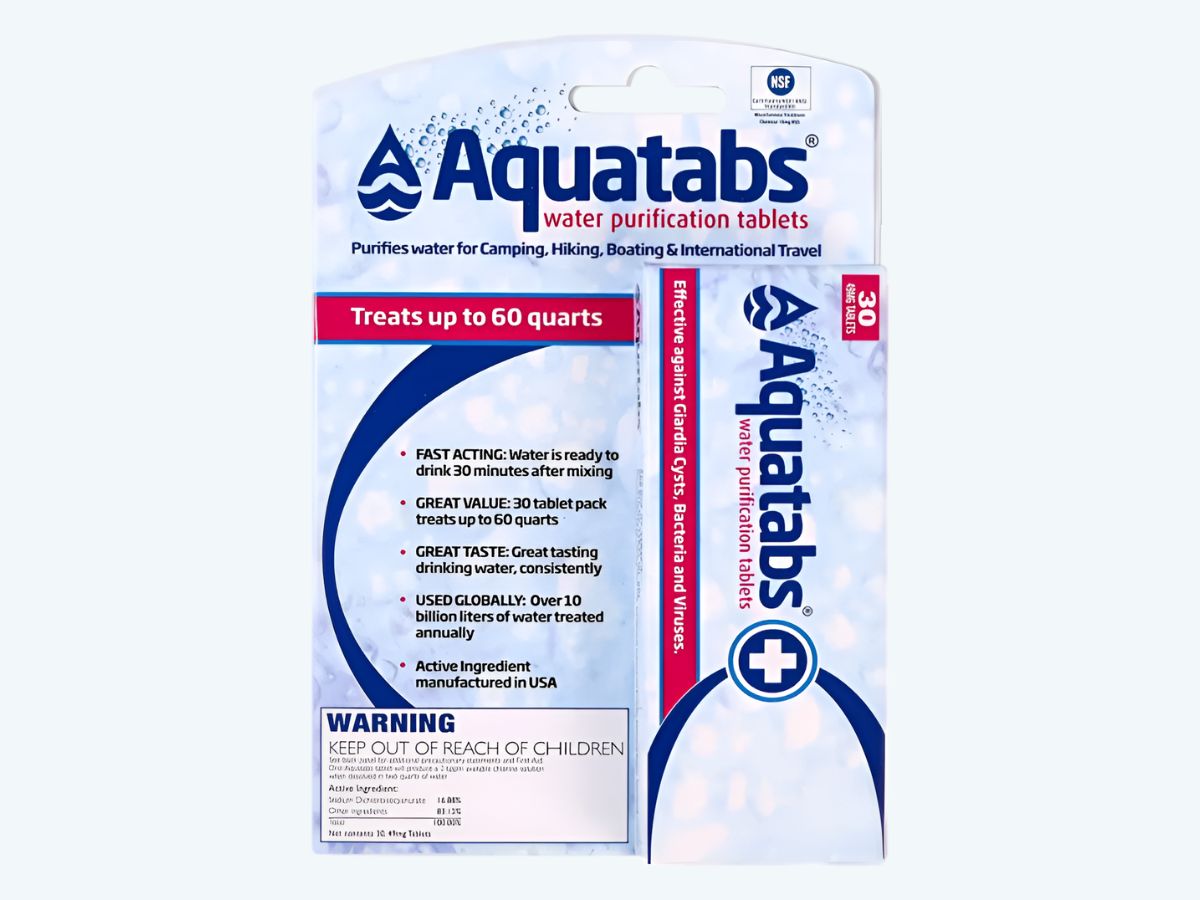
UV (Ultraviolet) Purification
- How it Works: Water passes through a chamber exposed to UV-C light, which damages the DNA of microorganisms, rendering them unable to reproduce and cause illness.
- Advantages: No chemicals added, does not change taste or odor. Effective against bacteria, viruses, and protozoa.
- Limitations: Requires water to be clear (sediment can shield microbes). Provides no residual disinfection; water can be re-contaminated downstream.
- Maintenance: UV lamp needs periodic replacement (typically annually), and the quartz sleeve housing the lamp needs regular cleaning.
Boiling
- Effectiveness: Bringing water to a rolling boil for at least one minute (3 minutes at altitudes above 6,500 feet) kills most harmful microorganisms.
- Use Case: Best for treating small quantities of water for immediate consumption, especially in emergencies or if other systems fail.
Advanced Filtration Systems
- Reverse Osmosis (RO): Forces water through a semi-permeable membrane, removing a wide range of contaminants including dissolved solids, heavy metals, and some pathogens. Typically installed as a POU system.
- Ultrafiltration (UF): Uses finer pores than sediment filters to remove bacteria and viruses.
Monitoring Your Water Quality
You can’t manage what you don’t measure. Regular testing is vital to confirm your water is safe.
The Importance of Regular Testing
Confirms that your preventative measures and treatments are working and alerts you to potential problems before they become serious.
What to Test For
- pH: Ideal range is typically 6.5-8.5. Incorrect pH can cause corrosion or reduce disinfectant effectiveness.
- Total Dissolved Solids (TDS): Measures minerals, salts, and metals dissolved in water. High TDS can affect taste.
- Chlorine Residual: If you chlorinate, test to ensure levels are effective but not excessive.
- Bacteria (Microbiological Purity): Test for total coliforms and E. coli. The presence of E. coli indicates fecal contamination and an immediate health risk.
- Other Specific Contaminants: Depending on your water source (e.g., well water) and local environmental risks, you might test for nitrates, arsenic, lead, pesticides, etc.
How to Test
- DIY Test Kits: Readily available for parameters like pH, chlorine, hardness, and sometimes basic bacteria screening. Useful for frequent checks, but accuracy can vary.
- Professional Laboratory Testing: Essential for accurate bacterial testing and comprehensive analysis of chemical contaminants. Use an accredited lab, especially if you suspect a problem or for annual checks of well water.
Interpreting Results and Taking Corrective Action
Compare results to established drinking water quality standards. The World Health Organization (WHO) provides comprehensive guidelines for drinking-water quality, focusing on public health protection. If any parameter is outside safe limits, investigate the cause and implement corrective actions, such as adjusting treatment, cleaning the tank, or consulting a water quality professional.
Learn water tank maintenance tips to save money and water, and follow our guide on how to clean your water tank properly to ensure thorough results.
Responding to Suspected Contamination
Despite best efforts, contamination can sometimes occur. Knowing how to respond is crucial.
Signs of Contaminated Water
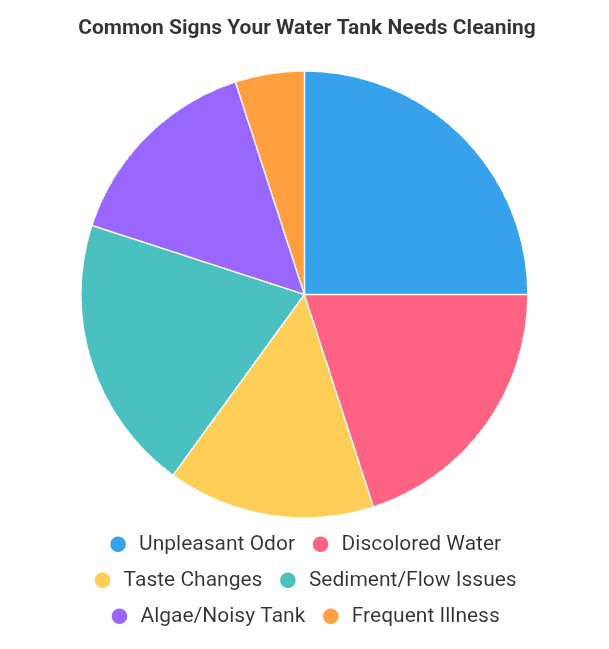
- Sudden change in taste, odor (e.g., rotten egg, chemical, earthy/musty), or appearance (cloudy, discolored).
- Unexplained illnesses in the household, especially gastrointestinal.
- Visible slime or algae in the tank or fixtures.
💡PRO TIP: Don’t ignore these red flags. Read about the Warning Signs Your Water Tank Needs Immediate Cleaning and act before health risks escalate.
Immediate Actions
- DO NOT USE THE WATER for drinking, cooking, brushing teeth, or washing produce. Use an alternative source (bottled water).
- Isolate the Tank: If possible, shut off the supply from the tank to the house.
- Get the Water Tested: Contact a certified laboratory immediately for professional testing to identify the contaminant(s).
- Notify Health Authorities: If contamination is confirmed, especially bacterial, local health authorities may need to be informed or can provide guidance.
Emergency Disinfection
If microbial contamination is suspected or confirmed and professional help is delayed, you might consider emergency disinfection (e.g., shock chlorination). This involves adding a higher dose of chlorine to kill microorganisms. This should be done with extreme caution, following reliable guidelines, and ensuring adequate ventilation and contact time before thorough flushing.
When to Drain, Deep Clean, and Sanitize
If significant contamination occurs, or if routine cleaning has been neglected, a full drain, deep clean (physical scrubbing), and sanitization (as described in Preventative Maintenance) is necessary before putting the tank back into service.
Smart Water Habits for Conservation and Safe Handling
Beyond the tank itself, how you use and handle water matters.
Water Conservation Strategies
- Fix Leaks Promptly: Check the tank, pipes, and fixtures regularly for leaks.
- Mindful Usage: Avoid unnecessary water wastage.
- Rainwater Harvesting (if applicable): Ensure your collection and storage system is clean and designed to minimize contamination.
Safe Water Handling from Tank to Tap
- Clean Containers: If transferring water, use clean, food-grade containers.
- Hand Hygiene: Always wash hands before collecting or handling stored water for consumption.
- Protect Dispensing Points: Keep taps and spigots clean.

Your Path to Safe, Clean Water
Maintaining a clean and fresh water supply in your storage tank is an ongoing commitment, not a one-time task. The cornerstones of success are selecting the right tank, establishing a robust preventative maintenance and cleaning schedule, staying vigilant through regular monitoring, and knowing how to respond if issues arise. By investing consistent effort and applying these tips and tricks, you can confidently rely on your stored water for its intended purpose – providing safe, healthy, and refreshing hydration whenever you need it.
Ensure your water stays safe and clean with professional help! Schedule a professional tank cleaning and inspection service in Kenya today to protect your family’s health and extend your tank’s lifespan.
