
You clean your water tank regularly, but have you ever stopped to test what’s actually in the water? For many homeowners and businesses relying on storage tanks, the startling truth is that the most dangerous contaminants are often invisible, odorless, and tasteless. Crystal-clear water can harbor hidden threats.
Water storage tanks are essential for a consistent supply, but they can become breeding grounds for harmful bacteria and chemicals that cleaning alone cannot solve. Testing your tank’s water quality isn’t just a suggestion; it’s essential to ensure the water is safe for its intended use, prevent serious health risks, and avoid potential damage to your valuable tank. Regular testing, alongside proper cleaning and maintenance, is crucial for maintaining both water quality and tank integrity.
This guide will walk you through why testing is crucial, what parameters to test for, the vital difference between DIY and professional methods, and how to create a long-term plan for a safe, reliable water supply.
Why Water Quality Testing is Non-Negotiable
Regular testing is a holistic practice that safeguards health, ensures compliance, and protects your finances. Here is a breakdown of the key reasons why water quality testing and cleaning in storage tanks is essential:
1. Safeguard Health from Waterborne Diseases
Your tank could be a breeding ground for pathogens. The World Health Organization (WHO) directly links unsafe drinking water to serious health issues. Key threats include:
- Microbiological Contaminants: Bacteria like E. coli and parasites like Giardia can cause severe gastrointestinal illness and other waterborne diseases.
- Chemical & Heavy Metal Contamination: Substances like lead and pesticides can leach from plumbing or seep in from runoff, leading to long-term organ damage and other serious health risks.
2. Protect Your Investment
Your water tank is a significant asset. The wrong water chemistry—specifically, a pH level that is too acidic or alkaline—can corrode metal tanks or degrade plastic and concrete linings. This leads to costly leaks and premature replacement. Proactive testing identifies these imbalances early, preventing irreversible damage.
3. Ensure Legal Compliance
For schools, hospitals, hotels, and rental properties, maintaining water quality in storage tanks is subject to local health regulations and standards, requiring regular monitoring and adherence to specific parameters.
- KEBS Standards: In Kenya, Water for public use must meet strict quality standards set by the Kenya Bureau of Standards (KEBS).
- Avoid Penalties: Failing to comply can lead to heavy fines, operational shutdowns, and severe damage to your reputation. Documented water tests from a service like KiTank Cleaning Services provide proof of your due diligence.
4. Achieve Long-Term Savings
Viewing testing as an expense is a mistake. The small cost of a lab test is insignificant compared to the potential financial burden of healthcare bills, emergency tank repairs, or a full tank replacement.
What a Professional Test Checks For: Key Drinking Water Testing Parameters
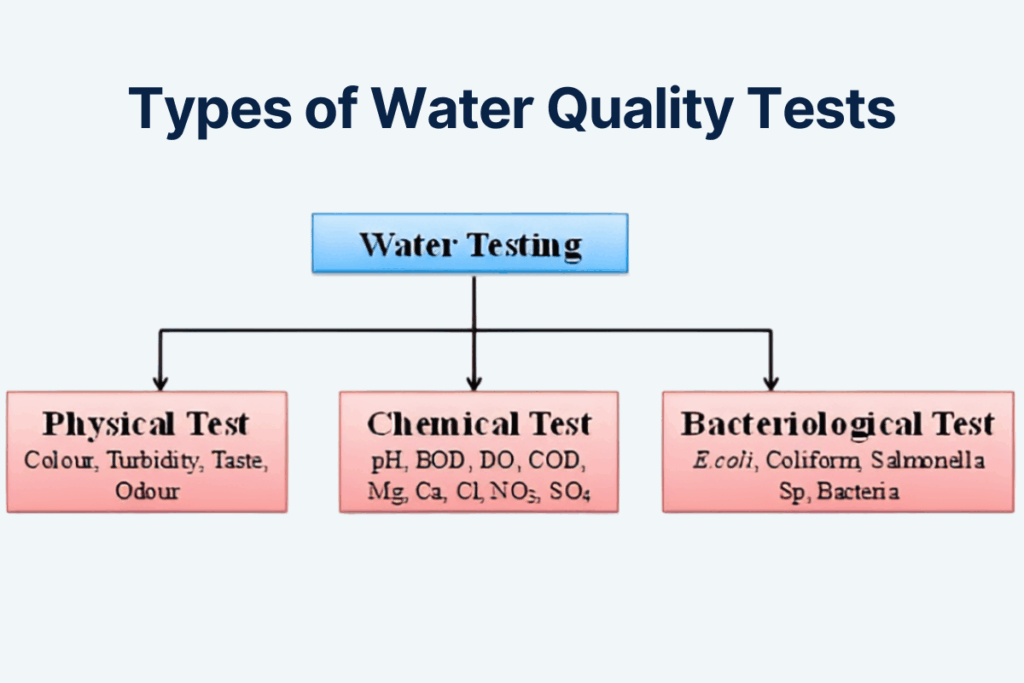
A professional lab report provides a complete health check for your drinking water. It examines three distinct categories: physical, chemical, and biological, each offering unique insights into your water’s safety and suitability.
1. Biological Parameters (The Microbial Threat)
This is the most critical part of testing for health and safety.
- Total Coliforms & E. coli: The presence of E. coli in a water tank is a definitive sign of recent fecal contamination and indicates a high risk of dangerous pathogens.
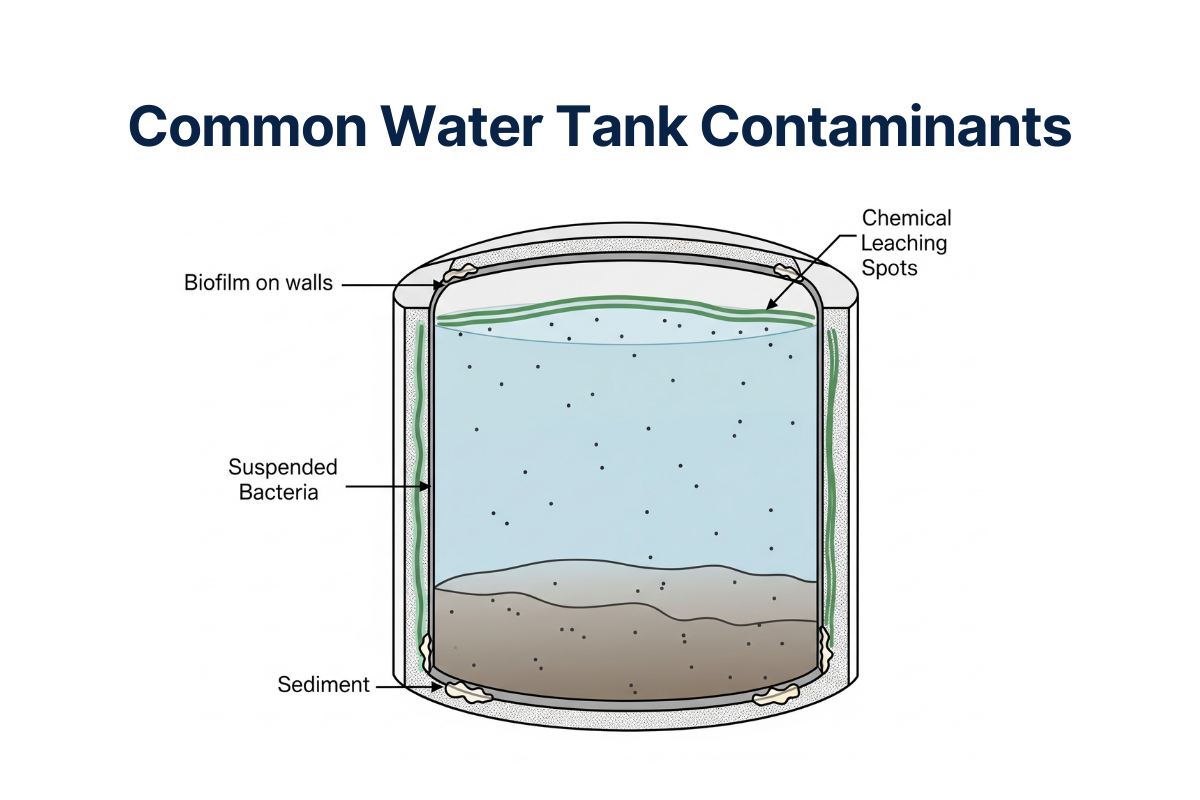
- Algae & Fungi: These contribute to bad taste and odor and can lead to the formation of biofilm—a slimy layer that protects and nourishes harmful bacteria.
2. Chemical Parameters
These tests reveal the chemical makeup of your water and its potential impact on health and plumbing.
- pH Level: Measures if your water is too acidic or alkaline. The ideal range for drinking water is between 6.5 and 8.5.
- Heavy Metals: Checks for toxic metals like lead, arsenic, and mercury, which can leach from pipes and are harmful even at low levels.
- Hardness: Measures dissolved minerals like calcium and magnesium, which cause scale buildup (limescale) in pipes and appliances.
3. Physical Parameters
These are the aesthetic qualities that can signal an underlying problem.
- Turbidity: Cloudiness caused by suspended particles like silt or rust. High turbidity can hide bacteria from disinfectants.
- Color & Odor: Any unusual color or smell (like rotten eggs or chemicals) is a clear red flag that contamination is present.
How to Test Water Quality in Your Tank
When testing your water, you have the option of using either DIY home test kits or sending a sample to a professional lab.

Choosing Your Method: DIY Kits vs. Professional Lab Analysis
While DIY test kits offer convenience and affordability, they generally lack the precision and scope of professional analysis and can potentially lead to a false sense of security.
Here’s a concise comparison of the two methods:
| Feature | DIY Water Test Kit | Professional Lab Analysis |
| Accuracy | Prone to user error and misinterpretation. | Highly accurate, performed under controlled conditions. |
| Testing Scope | Limited to basic parameters like pH and chlorine. | Comprehensive; detects a wide range of toxins. |
| Cost | More affordable for basic checks. | Higher initial cost due to advanced equipment. |
| Interpretation | Requires user to interpret color charts. | Experts provide clear, detailed reports and context. |
| Best for | Routine monitoring, preliminary assessments, or situations where budget is a major concern | Critical situations, when detailed information is required, or for situations with potential health risks |
The Verdict: For guaranteed safety and accurate results, professional laboratory analysis is the only reliable option. It is essential to use an accredited lab that has the expertise and quality control to provide trustworthy results.
KiTank Cleaning Services facilitates professional, certified lab testing to give you a precise understanding of your water’s health.
How Often Should You Test Your Water Tank?
A consistent tank testing schedule is key to maintaining long-term water safety.
- Residential Homes: Test your tank water at least once every year.
- Commercial Properties (Offices, Rentals): Test every 6 months.
- High-Risk Facilities (Schools, Hospitals, Hotels): Test quarterly, or every 3 months.
- Immediately After: Always test after tank repairs, major plumbing work, a nearby flood, or if you notice any change in your water’s taste, color, or smell.
Regular testing is crucial for identifying potential contaminants and ensuring the safety of the water supply. It’s recommended to consult with a water specialist for specific recommendations based on your individual needs and local regulations.
The Professional Testing Process
Wondering how it works? The process is straightforward and designed to give you clear answers.
Proper Sample Collection
The accuracy of your test depends on a perfect sample. A trained technician will handle this, but if you must do it yourself:
- Use only the sterile bottle provided by the lab.
- Choose a frequently used cold water tap and let it run for 2-3 minutes.
- Fill the bottle without touching the inside of the bottle or cap.
- Keep the sample cool and deliver it to the lab within 24 hours.
Interpreting Test Results: What to Do Next
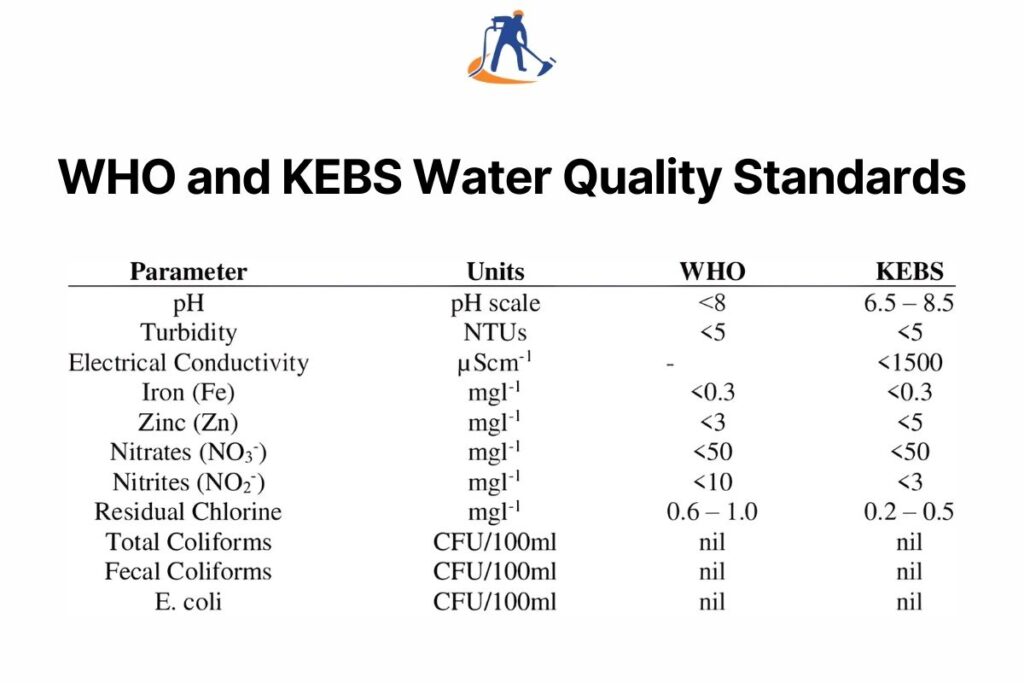
The lab will provide a detailed report that lists the levels of various contaminants in your water. Crucially, it will compare your results to the safety standards established by KEBS and the WHO. The report will highlight any parameters that exceed safe limits.
If Your Water Passes the Test
Congratulations! Your results fall within the safe limits. Continue with your regular water tank maintenance and testing schedule to ensure it stays that way.
If Your Water Fails the Test
This means one or more parameters are outside the safe range. Take swift, correct action:
- Stop Using the Water Immediately: Do not drink it, cook with it, or use it for brushing teeth until the issue is resolved.
- Contact a Professional Service: Share your lab report with a water treatment expert and tank cleaning company. A specialist from KiTank Cleaning Services can interpret the results and advise on the precise cause and solution.
- Remediate and Re-test: This typically involves a professional tank draining, cleaning, and disinfection (shock chlorination). After remediation, a follow-up test is mandatory to confirm that the contamination has been fully eliminated and the water is safe to use again.
Best Practices for Maintaining Optimal Water Quality
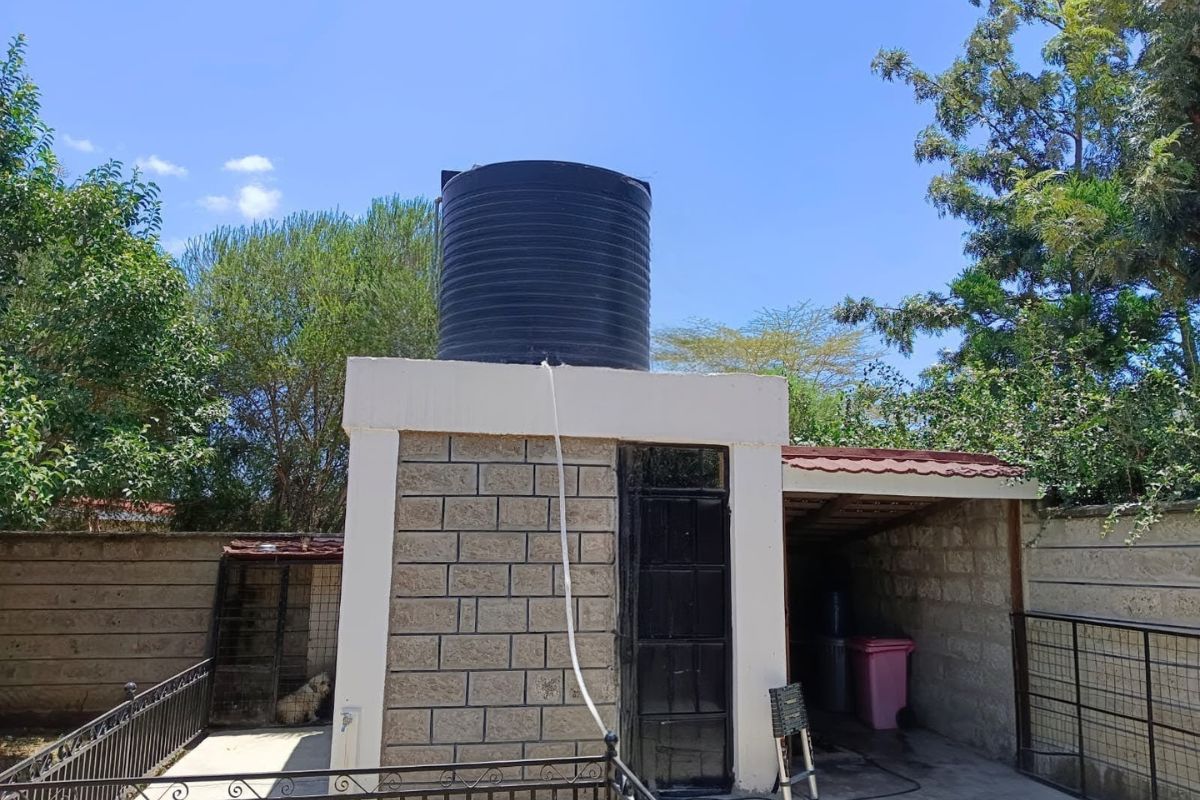
Testing informs you of problems; proactive maintenance prevents them.
- Secure Your Tank: Use a tight-fitting, secure lid to keep out debris, insects, and animals.
- Install Screens: Cover all vents and overflow pipes with fine mesh to block pests.
- Choose the Right Tank Materials: Use tanks made from food-grade, non-corrosive, opaque materials (like UV-stabilized polyethylene) to prevent chemical leaching and algae growth.
- Keep the Area Clean: Ensure the area around the tank is clear of debris and vegetation.
- Schedule Regular Cleaning & Disinfection: A professional cleaning removes the sediment and biofilm that tests may identify as the root cause of contamination.
- Manage Your Water Source: If using borehole or rainwater, consider pre-treatment options like filters or UV purifiers to clean the water before it enters the tank.
“We often find that a tank looks clean on the surface, but our lab tests reveal dangerous levels of E. coli. Visual inspection is not a substitute for science. Only a certified lab test can confirm your water is truly safe.” – Lead Technician, KiTank Cleaning Services
Download our comprehensive tank maintenance checklist.
Complete Confidence in Your Water Quality

While a clean water tank is important, it does not guarantee water safety. Contaminants like bacteria, algae, and chemical leaching can still pose serious risks, making regular, professional water quality testing essential to confirm your water is safe.
Routine testing detects contaminants early, allowing for timely intervention to prevent health risks and costly damage. It helps you comply with safety standards and protect your storage systems.
KiTank Cleaning provides both professional testing and advanced cleaning. Our methods remove harmful deposits and disinfect your tank—often without needing to empty it—conserving water while ensuring its purity.
Don’t leave your health to chance. Test your water.
Ready to have complete confidence in your water quality?
Contact KiTank Cleaning today for a free consultation on our professional water testing and tank cleaning services.
- Phone: +254 729 735 245
- Online: Fill out our form for an urgent callback.
