
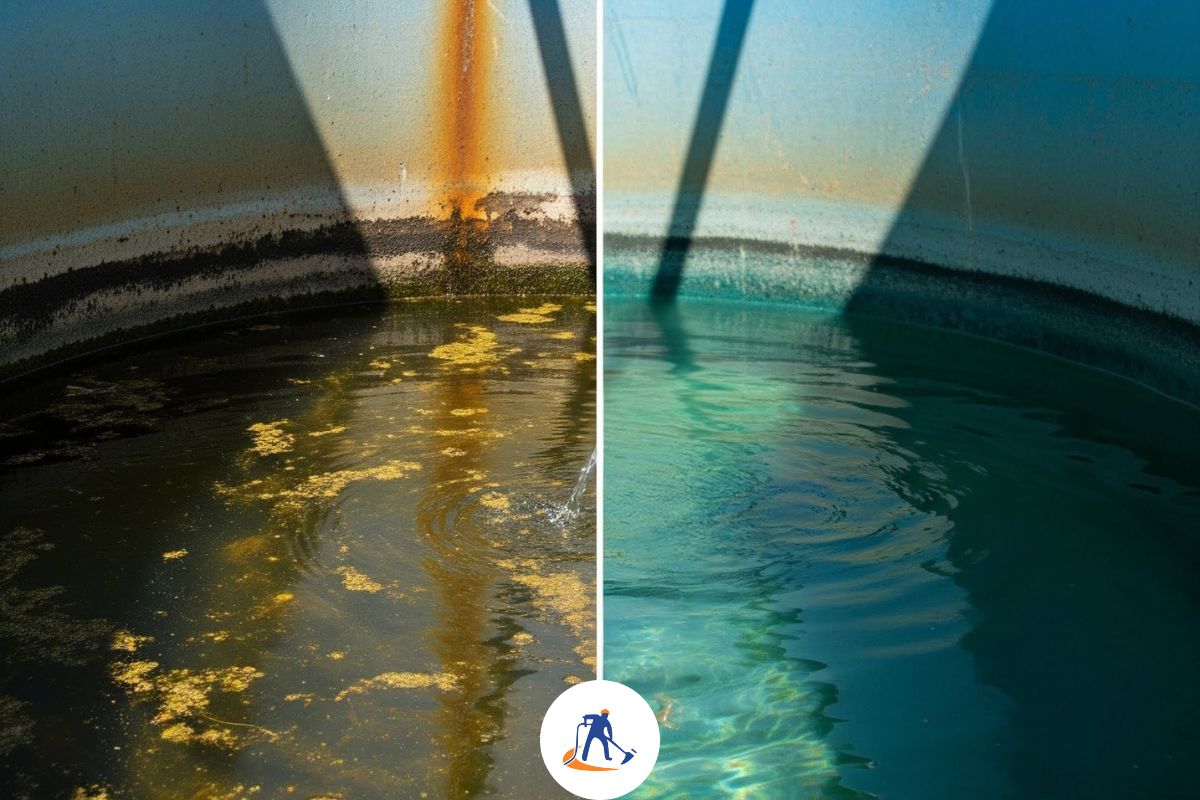
A well-maintained water tank provides a consistent supply of clean, safe water for your home or business. However, water tanks are prone to problems such as algae, sediment, pests, foul tastes, and reduced flow. Proactive maintenance—including regular cleaning, inspections, and prompt repairs—prevents these issues, preserving water quality and extending the tank’s lifespan. Ignoring even minor issues can lead to contaminated water, damaged plumbing, and costly repairs, risking both your family’s health and your property’s integrity
This guide explains the most common water tank problems and gives you practical solutions. We’ll show you how to perform straightforward DIY fixes and help you recognize when it’s time to call a professional, preventing minor annoyances from becoming major disasters.
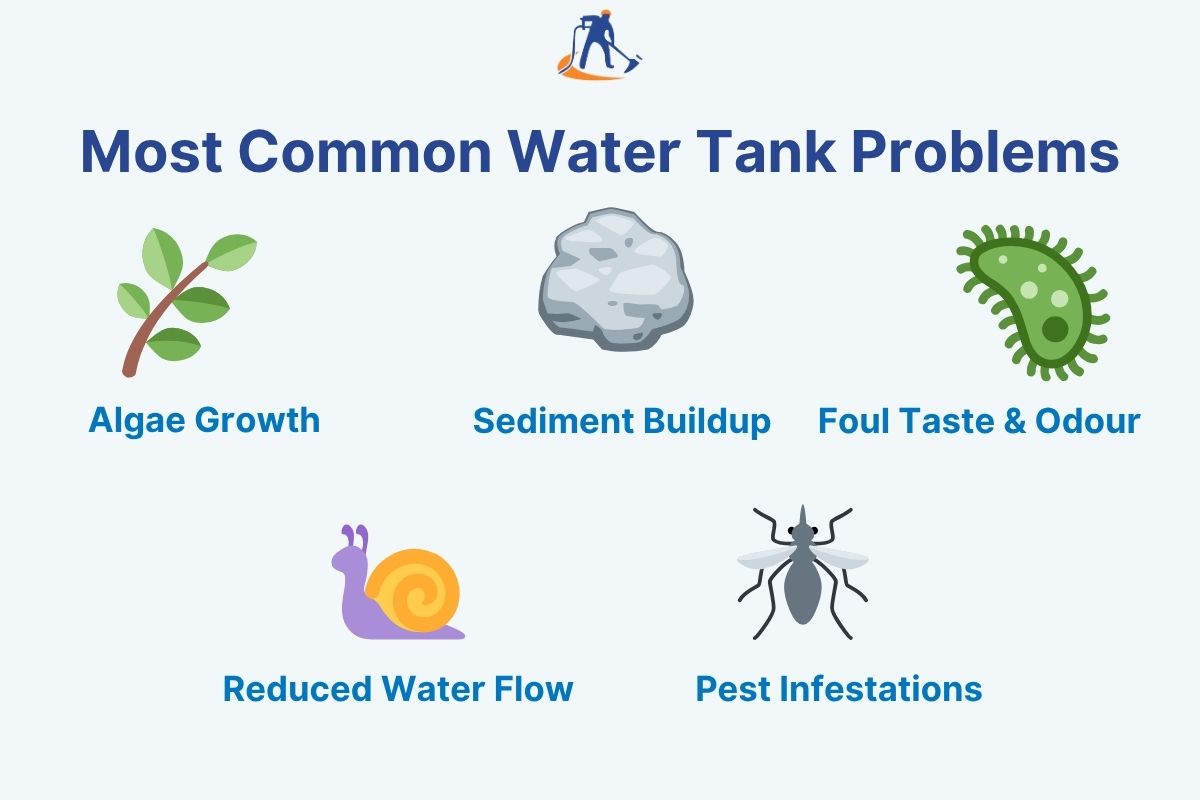
Top Water Tank Issues at a Glance
This table provides a concise overview of the most common water tank issues, their causes, and the immediate actions you should take.
| Problem | Primary Causes | Immediate Action |
|---|---|---|
| Algae & Biofilm Growth | Sunlight & stagnant water. | Block sunlight (paint/cover). Secure lid. Scrub light algae; call a professional for heavy growth. |
| Sediment Buildup | Hard water minerals, lack of flushing | Install an inlet filter. Flush bottom tap. Call a professional for a full cleanout. |
| Discolored or Smelly Water | Sediment, rust, bacterial growth, algae | Flush tank; use hydrogen peroxide (smell); check main supply; clean/disinfect |
| Low Water Pressure | Outlet or pipe blockage. | Check main valve. Clean taps. If pressure is still low, call a professional. |
| Pest Infestation | Unsealed openings. | Tightly seal the lid & screen all vents. If pests are inside, call a professional. |
Water Tank Problems & Solutions
Most water tank problems stem from improper installation, a lack of maintenance, or environmental factors. These issues lead to leaks, corrosion, contamination, and even structural failure. Below are the most common problems and their solutions.
1. Algae and Biofilm Growth
Algae and biofilm are frequent and annoying contaminants that degrade water quality and pose health risks. Algae, simple plant-like organisms, thrive in stagnant water exposed to sunlight, appearing as green or black slime inside a tank. Biofilm is a more insidious problem—a slimy layer of bacteria and fungi that clings to all wet surfaces.
Why it’s a problem:
- Health Hazards: Biofilm can shelter harmful bacteria like E. coli and Legionella, which cause waterborne diseases, skin irritation, and gastrointestinal illness.
- Poor Water Quality: These contaminants create foul tastes and odors, making water unpleasant and unusable.
- Clogged Systems: Chunks of biofilm can break free and clog pipes, filters, and fixtures, reducing water flow and damaging your plumbing.
- Corrosion: Over time, microbes in biofilm can corrode a tank’s interior, shortening its lifespan.
Prevention and Fixes
- DIY Solutions:
- Block All Sunlight: Algae cannot grow without light. Use an opaque tank or paint your current tank a dark color. Ensure the lid is secure and opaque.
- Shade the Tank: Position the tank in a shaded area or use a UV-resistant cover to limit sunlight exposure.
- UV Sterilization: Install a UV sterilizer to disinfect the water and prevent algae growth.
- Use Water Regularly: Refill your tank often. This keeps the water fresh and prevents the stagnation that encourages microbial growth.
- Inspect, Drain and Clean: Check periodically for slime. For light algae, drain the tank, scrub the interior with a brush and a mild cleaning solution, and then rinse thoroughly.
- Secure All Openings: Ensure the tank lid is tight-fitting to prevent light, pests, and debris from entering.
- When to Call a Pro: For heavy or recurring infestations, professional help is essential. A specialized service, like KiTank Cleaning, can safely eradicate stubborn biofilm using high-pressure equipment and food-grade disinfectants. They can also offer expert advice on tank covers and placement to prevent the problem from returning.
2. Sediment & Sludge Buildup
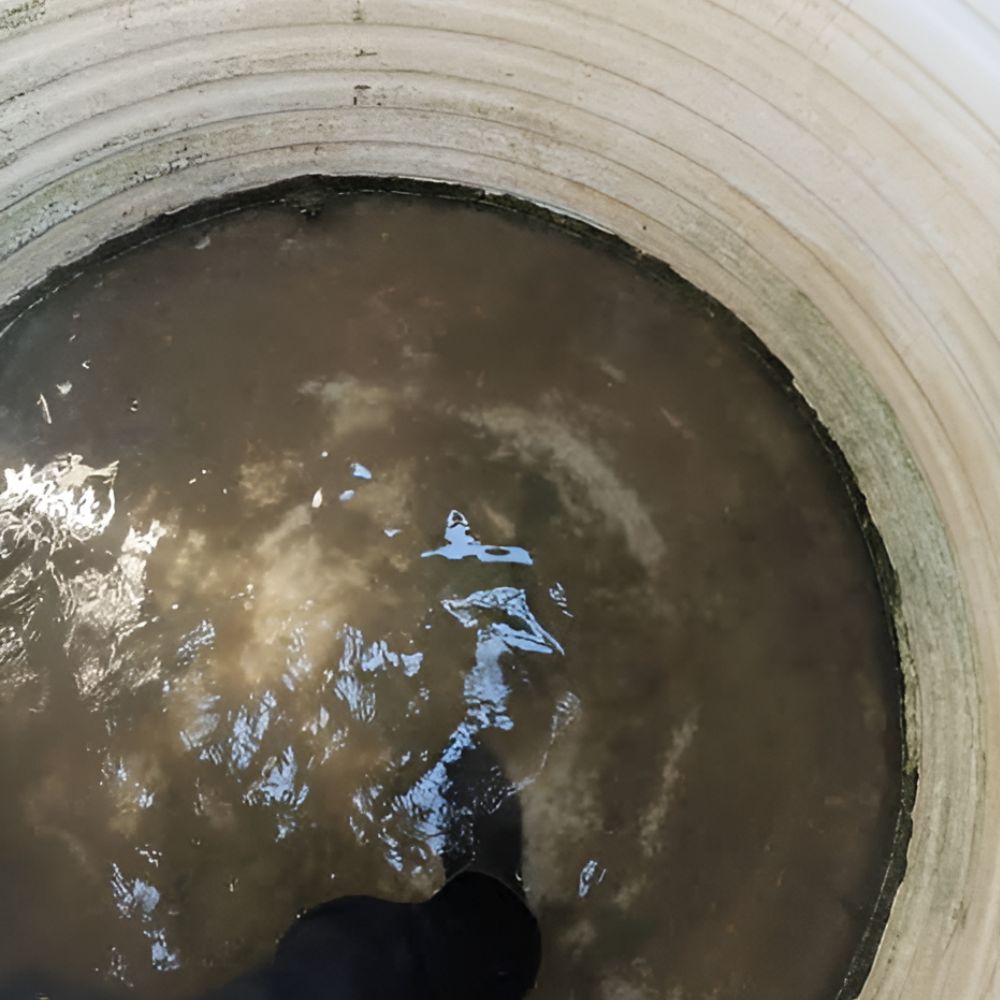
Sand, rust, and organic matter—especially from boreholes, rivers, or poorly filtered sources—accumulate over time, forming a layer of sludge at the bottom of your tank. This unseen buildup degrades water quality, making it cloudy or gritty.
Why it’s a problem
This sludge layer becomes a breeding ground for harmful bacteria, viruses, and parasites. Sediment and sludge accumulation at the bottom of a water tank can also clog pipes and filters or damage water heaters. This buildup reduces the tank’s capacity, restricts water flow, and can even cause corrosion and leaks, leading to inefficiency and costly repairs.
According to the World Health Organization (WHO), contaminated drinking water causes diseases like cholera, dysentery, and typhoid, killing an estimated 505,000 people each year.
Practical Solutions for Sediment Buildup
Regular action can prevent sediment from reaching critical levels.
- Regular Draining and Flushing: Once a year, drain some water from the bottom tap to flush out loose sediment.
- Pre-Filtration: Install a pre-filter system (such as a sand or cartridge filter) on the incoming water line. This traps sediment and organic matter, cutting off the food supply for algae and biofilm.
- Professional Deep Cleaning: To guarantee complete sludge removal, hire a professional service. A specialized service uses pumps and wet-vacs to extract sludge without damaging the tank, then scrubs and disinfects to eliminate contaminants, ensuring the tank is clean inside and out.
3. Foul Taste & Odor Problems
Unpleasant smells (like rotten eggs or mold) or a metallic taste are clear signs your water tank needs attention. The cause is often bacterial growth, decaying organic matter, poor filtration, or algae by-products. Foul odors can also result from environmental factors, leaching from tank materials, or improper cleaning.
Why it’s a problem
A foul smell emanating from a water tank often signals microbial contamination. Drinking this water can cause serious gastrointestinal illness, skin irritation, and other health problems, making it unusable for drinking, cooking, or bathing.
How to Fix and Prevent Foul Odors
- Check Ventilation: Ensure your tank’s vents are clear and properly screened to let gases escape.
- Drain and Refill: Flush the tank, then fill it with a solution of water and hydrogen peroxide. Let it sit for two hours before flushing again with clean water.
If the smell or taste persists, contact a professional water tank cleaning service. They can also recommend other filtration solutions.
TIP: If the water smells of chemicals or gasoline, stop using it immediately. This could indicate dangerous contamination. Contact your local health department.4. Low Water Pressure/Flow
You turn on the tap and get a frustrating trickle instead of a steady stream. The shower loses power, and appliances take forever to fill. This drop in water pressure often signals a blockage originating in your tank.
Besides making daily tasks frustrating, low pressure indicates a serious buildup that can degrade water quality and damage your pump or plumbing.
How to Fix Low Water Pressure
- Check the Outlet Valve: Ensure the main valve from your tank is fully open.
- Clean Fixtures: Unscrew tap aerators and showerheads to clean out trapped debris. If this only fixes the pressure for one fixture, the blockage is in that specific pipe.
- When to Call a Professional: If pressure is low throughout the house and cleaning fixtures does not help, the blockage is likely in the tank or main outlet pipe. A professional service can remove the blockage and clear the outlet, restoring strong water flow.
5. Pest Infestation
Finding insects, spiders, lizards, or small rodents in your water tank is a serious health hazard. Pests enter through unsecured lids, damaged vents, or gaps in piping.
Why it’s a problem
Pests introduce dangerous pathogens, droppings, and eggs into your water. Mosquito larvae are a particular concern, especially in Kenya, as they can spread malaria and dengue fever. Rodent droppings may carry bacteria that cause leptospirosis. An infestation makes your water an immediate threat to your family’s health.
How to Prevent Pest Infestations
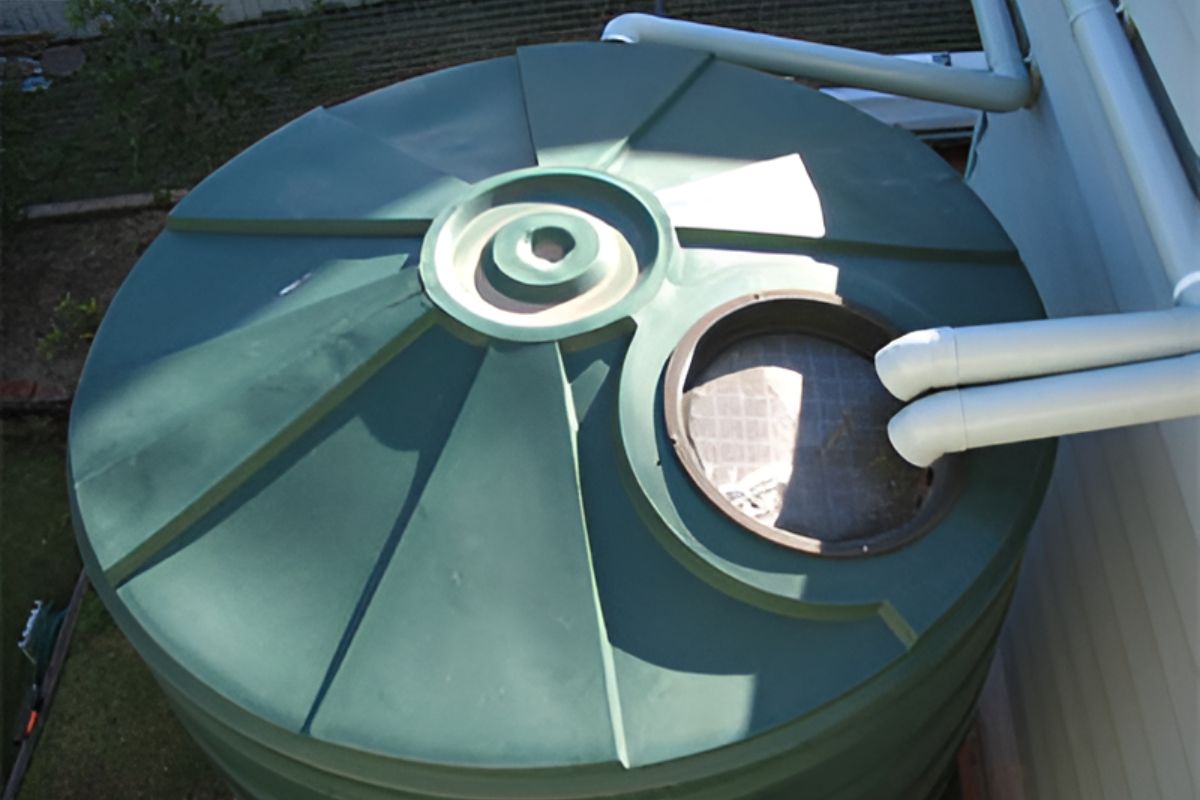
- Seal the tank: Ensure the tank lid is always sealed tightly. If cracked or warped, replace it immediately.
- Screen All Openings: Fit vents and overflow pipes with fine, durable mesh to filter debris and prevent pests from entering.
- Inspect Regularly: Once a month, check your tank for cracks or gaps pests could use.
- Regular cleaning: Regularly clean and disinfect the water tank to remove any potential breeding grounds for pests.
- When to Seek professional help: If you find an infestation, do not use the water. Call a professional immediately. The tank will require emergency draining, contaminant removal, and multi-stage sanitization to be safe again.
Proactive Maintenance: Keeping Your Tank Healthy
Preventing these water tank problems is better and more affordable than fixing them. Proactive maintenance is the cornerstone of a long-lasting, efficient water tank, saving you from costly repairs down the road. An investment in professional maintenance protects your family’s health and buys you peace of mind.
Your Water Tank Maintenance and Prevention Checklist
- Regular Inspections: Periodically check the tank’s exterior and interior for damage, leaks, cracks, corrosion, or unusual growths.
- Scheduled Cleaning: Clean and disinfect your tank routinely. As a guideline, tanks for drinking water should be cleaned every six months, while those for non-potable use should be cleaned annually.
- Water Quality Testing: If you have concerns, test your water for common contaminants, bacteria, and chemicals.
- Proper Ventilation: Ensure vents are screened to block pests and debris. Vents allow air exchange and prevent a vacuum from forming when the tank is emptied.
- Secure Access: Keep all access points, such as lids and manholes, securely locked to prevent contamination.
- Choose the Right Tank: Consider material durability and suitability for local climate. Select a tank with proper insulation and filtration options.
- Professional Consultation: For large tanks or complex issues, consult with qualified water treatment specialists.
📥 Download Water Tank Maintenance Checklist (PDF)
Conclusion: A Commitment to Safe Water
A healthy water tank is an ongoing commitment that protects your health and wallet. The five water storage tank problems discussed here—algae, sludge, odors, low pressure, and pests—are direct risks that require prompt attention. By spotting these signs early, you can act quickly to protect your water quality and extend the life of your storage system.
While you can fix minor issues yourself, complex problems affecting water safety demand the expertise and equipment of a professional water tank cleaning service.
Don’t wait for a small problem to become a health hazard. If you see any of these signs, or if your tank has not been cleaned in over a year, contact KiTank Cleaning Services today. We offer professional tank cleaning and maintenance services in Nairobi and major towns across Kenya to ensure your family’s water is always safe.
